Why Does My Vape Taste Burnt? Common Causes for Disposable Devices Explained

Why Does My Vape Taste Burnt? Common Causes for Disposable Devices Explained

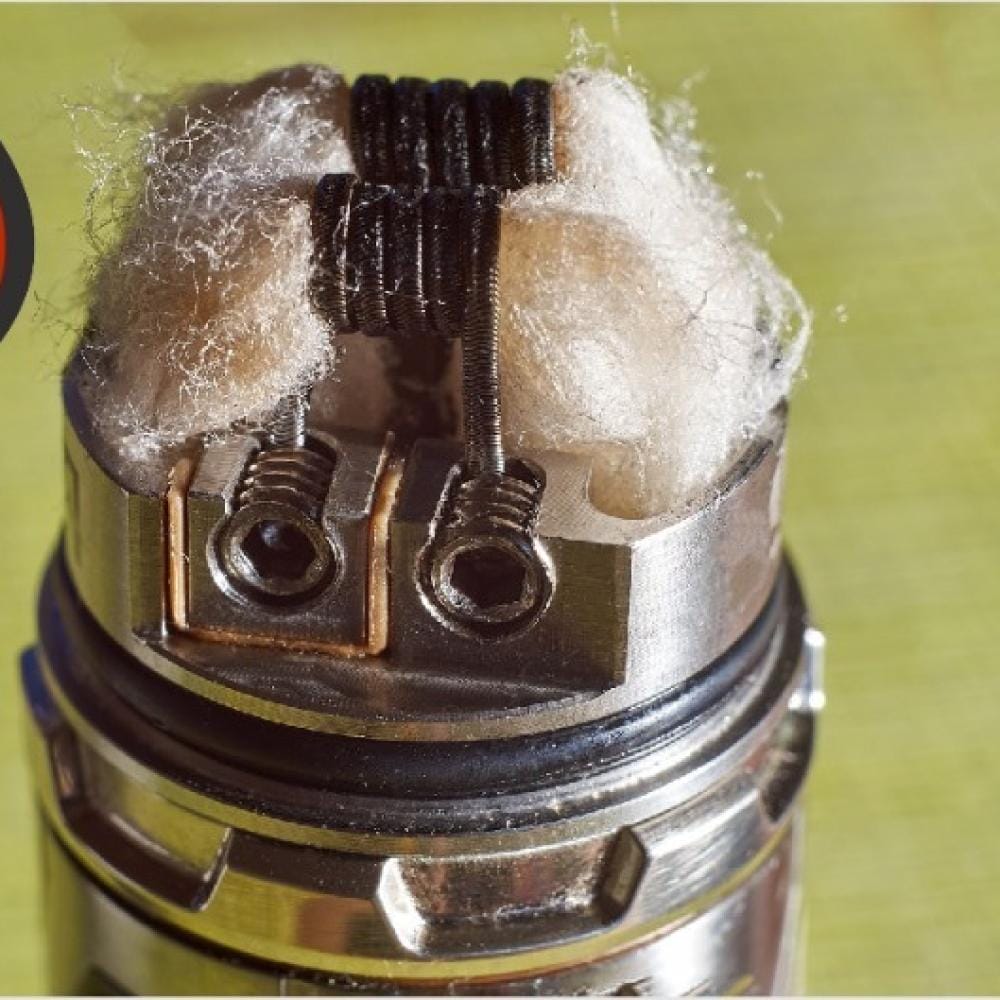
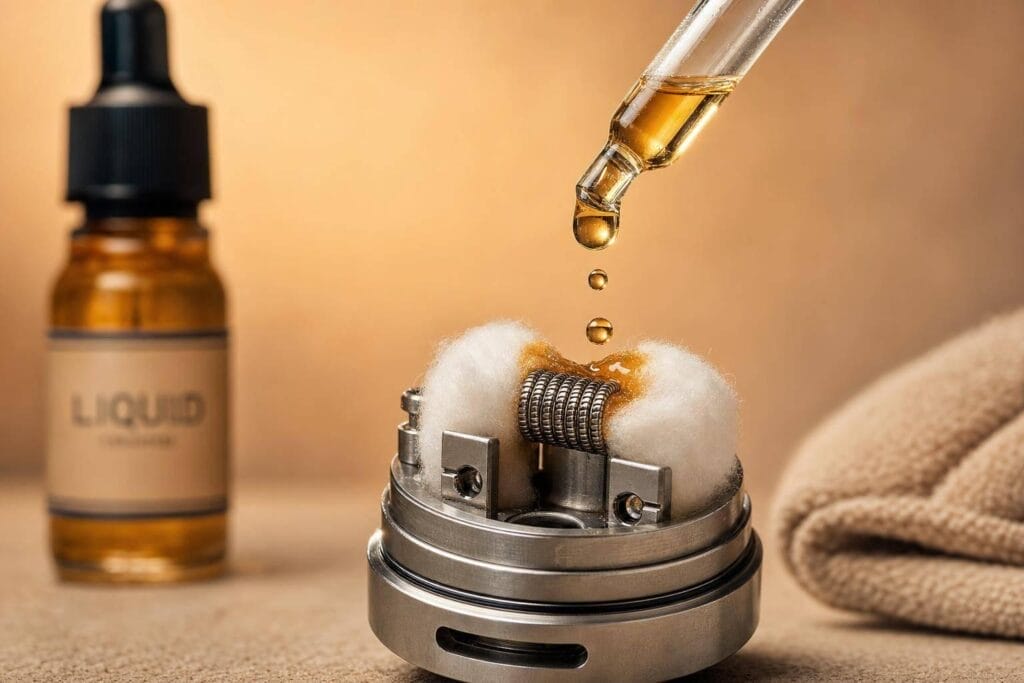
A close-up image of a vape coil covered in dark, crusty gunk from caramelized sweeteners, illustrating residue buildup.
There is nothing quite as jarring as expecting a mouthful of sweet, smooth vapour and getting hit with a harsh, acrid cloud of smoke that scratches the back of your throat. If you have ever experienced that nasty charred flavour, you might suddenly wonder, why does my vape taste burnt after only a brief period of use? It is one of the most common complaints among disposable vape users, and it can instantly turn an enjoyable session into an unpleasant experience.
Disposable vapes are designed to be convenient and straightforward. You take them out of the packaging, draw on the mouthpiece, and dispose of them once they are finished. However, because they are sealed units with non-serviceable components, pinpointing why a device suddenly develops a harsh taste requires an understanding of how these compact gadgets function on the inside.
Understanding the Core Problem: Why Does My Vape Taste Burnt?
To get to the bottom of the issue, it helps to look at what happens inside the casing of a disposable vape every time you take a draw.
Inside every disposable device, you will find three primary components working in tandem: a small lithium-ion battery, a heating element (usually a tiny wire coil or a mesh strip), and a wicking material (typically organic cotton or synthetic polyfill) soaked in e-liquid.
When you inhale through the mouthpiece, an internal airflow sensor activates the battery. The battery sends an electric current to the heating coil, causing it to heat up rapidly. Under normal circumstances, this heat vaporises the e-liquid suspended in the adjacent wicking material, producing the aromatic vapour you inhale.
- Battery → Heating Coil → Saturated Wick = Smooth Vapour
- (If Wick is Dry or Starved)
- v
- Scorched Cotton = Burnt Taste
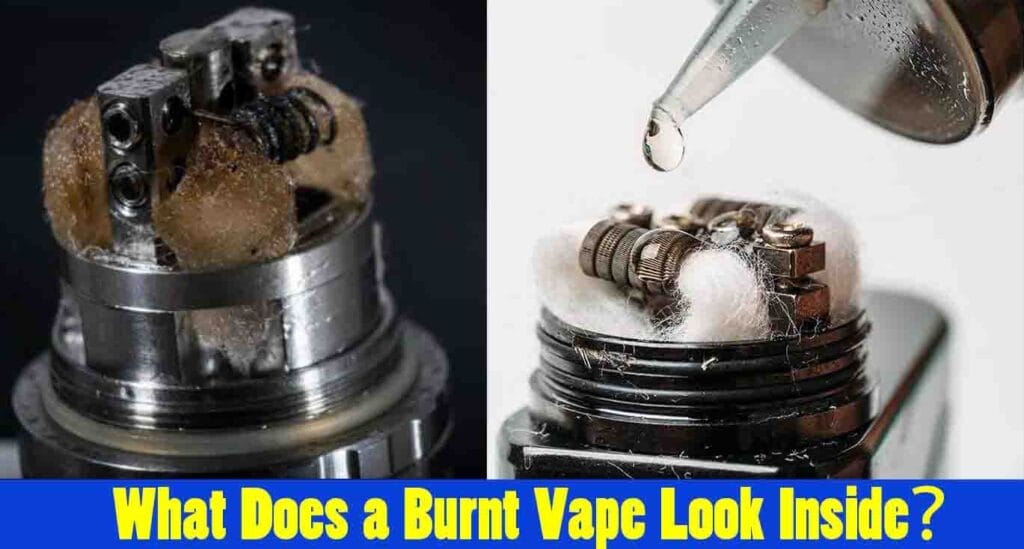
The burnt taste—frequently referred to by vapers as a "dry hit"—occurs when the heating element gets hot, but there is insufficient e-liquid in the wick to absorb and vaporise the thermal energy. Instead of boiling liquid into vapour, the bare, red-hot coil directly scorches the cotton fibres. Once that cotton singes, every subsequent puff pulls the flavour of burnt fibre into your mouth.

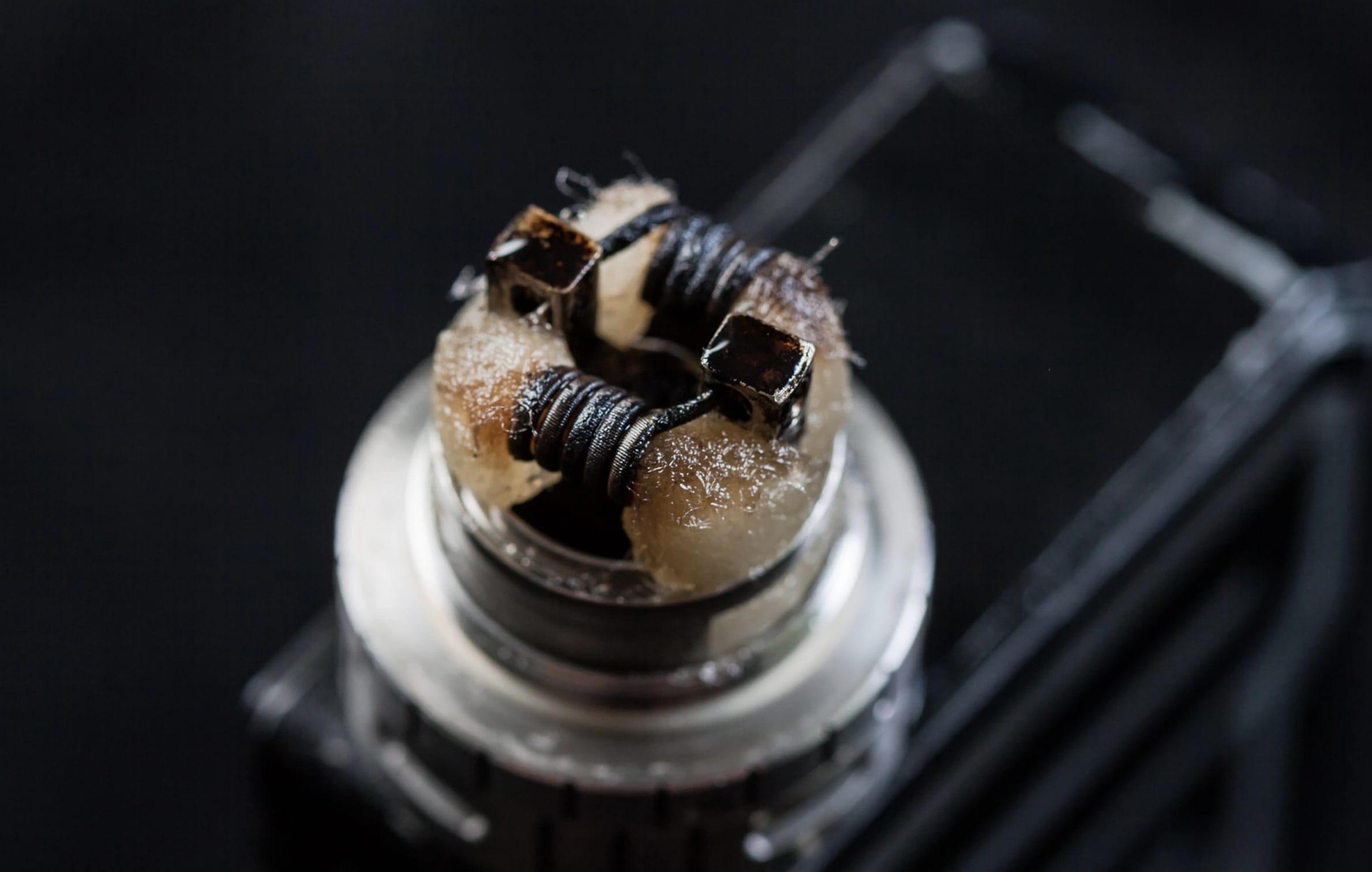
A close-up image of a burnt or scorched cotton wick inside a vape coil, illustrating a dry hit due to insufficient e-liquid.
Fresh Out of the Packet: Why Does My Vape Taste Burnt When Brand New?
Unboxing a brand-new disposable only to be greeted by a dreadful charred flavour on the very first drag is incredibly frustrating. While it is easy to assume you have bought a dud, several mechanical factors can cause this issue in a factory-fresh unit.
1. Unprimed or Dry Wicks from the Factory
During the manufacturing process, automated machinery fills the internal reservoir with e-liquid. In some production runs, devices are packaged and sealed immediately after filling. If a unit has not sat long enough for the liquid to permeate deeply into the innermost layers of the cotton surrounding the mesh coil, the core remains dry. Taking a strong drag straight out of the plastic sleeve heats up dry cotton, instantly ruining the device.
2. Trapped Air Pockets (Airlocks)
Liquid cannot reach the heating element if an air bubble is physically blocking the intake ports inside the reservoir. This is particularly common if the vape was stored horizontally or upside down during transit. When you draw on the mouthpiece, the coil fires, but because the liquid is held back by the air pocket, the wick starves, and the coil scorches the cotton.

A diagram showing an air bubble (airlock) physically blocking the flow of e-liquid to the wick inside a vape reservoir.
3. Transit Temperature Shifts
Australia is famous for its extreme temperatures. If a package sits in the back of a scorching delivery van or in a hot roadside mailbox during summer, the heat can cause the e-liquid inside the disposable to thin out and shift away from the coil, or cause air expansion that dislodges the internal wick saturation.
Troubleshooting Brand-New Disposables:
1. Remove all protective silicone plugs and bottom stickers completely.
2. Tap the base of the device against your palm to dislodge air bubbles.
3. Take two or three gentle "primer puffs" without drawing hard enough to activate the battery.
4. Let the device rest upright on a flat surface for 5 minutes before taking a normal puff.
After a Recharge: Why Does My Vape Taste Burnt Post-Charging?
With many modern, high-capacity disposables featuring USB-C recharge ports, another frequent issue arises: the device worked perfectly fine before being plugged in, but tastes scorched immediately after charging.
Peak Voltage Spikes
When a disposable lithium-ion cell reaches 100% capacity, its output voltage sits at its absolute maximum. The moment you unplug it, the battery delivers its strongest current. If you immediately take a massive, long drag right off the charging cable, that sudden surge of power can overheat the delicate mesh element before e-liquid has time to circulate, scorching the wick.
High-Output Fast Chargers
Many people make the mistake of using powerful smartphone charging bricks or high-wattage laptop adaptors to charge their vapes. These compact vapes house delicate, low-capacity batteries that are not engineered to handle rapid, high-wattage power inputs.
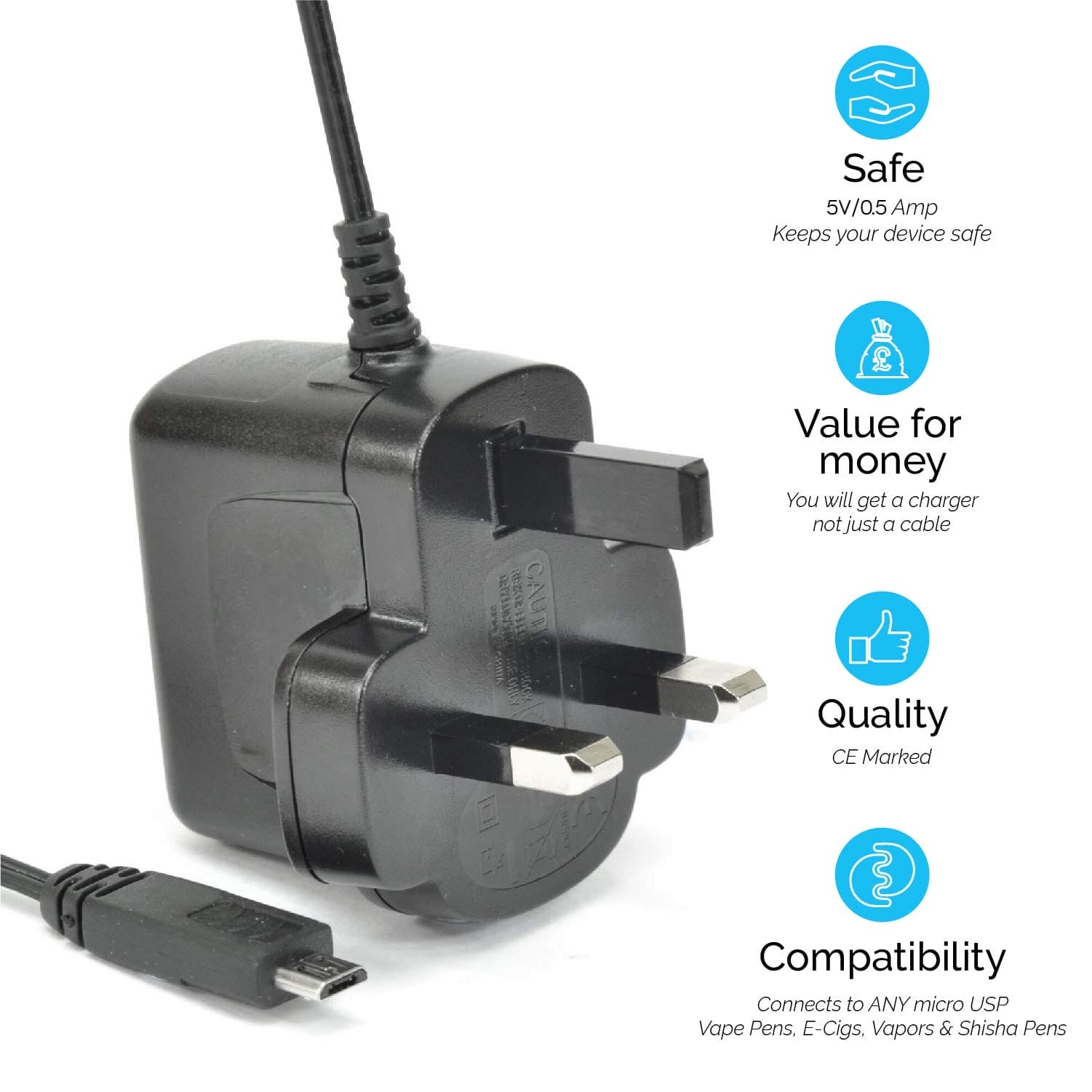
A disposable vape being charged with a large, high-wattage smartphone charging brick, highlighting the mistake of using an incompatible charger.
Using a high-amp charger can overheat the entire internal structure of the vape. This ambient heat bakes the internal reservoir, thins the e-liquid excessively, and degrades the cotton wick before you even take a puff.
Best Practice for Charging Disposables:
* Use a standard 0.5A or 1A charging port (such as a laptop USB port or older wall plug).
* Avoid leaving the device plugged in overnight.
* Let the device rest upright for 5 to 10 minutes post-charge to allow internal temperatures and voltage to stabilise.
User Habits That Ruin Your Coil
Sometimes, the burnt taste is not the fault of manufacturing or charging, but rather how the device is handled during everyday use.
Chain Vaping
The most common culprit behind scorched disposables is chain vaping—taking rapid, consecutive puffs without pause.
Every time you take a drag, the wick surrounding the coil loses some of its e-liquid. It relies on capillary action to draw fresh juice out of the surrounding saturated reservoir and back into the heating zone. This capillary process takes several seconds. If you take five or six heavy puffs back-to-back, the wick simply cannot re-saturate quickly enough. By the third or fourth puff, the coil is firing against semi-dry cotton, rapidly burning it.
Excessively Long Inhales
Disposable coils are small and designed for brief, moderate mouth-to-lung draws. Inhaling deeply for five or six seconds straight keeps the heating element activated well past its intended operating window. The coil reaches temperatures far higher than normal, vaporising liquid faster than the wick can supply it and charring the wicking material.
Sweetener Caramelisation
Many popular disposable flavours—such as iced grape, mango, or cola—are formulated with high concentrations of artificial sweeteners. Over hundreds of puffs, these sweeteners do not cleanly vaporise; instead, they caramelise and bake onto the surface of the heating element. This creates a dark, crusty residue known among vapers as "coil gunk". When heated, this sugary layer burns, imparting a bitter, burnt taste even if there is still plenty of liquid in the tank.
A close-up image of a vape coil covered in dark, crusty
Identifying the Cause: Temporary Dry Hit vs Permanent Coil Damage
Not every unpleasant puff means your vape is completely ruined. Understanding the difference between a temporary dry hit and permanent wick damage will save you from throwing out a salvageable device prematurely.
| Characteristic | Temporary Dry Hit | Permanently Burnt Coil |
|---|---|---|
| Flavour Profile | Slightly dry, warm, muted flavour with a slight edge | Harsh, acrid, tasting intensely like burnt paper or charcoal |
| Throat Feeling | Minor scratchiness or warm irritation | Severe burning sensation, coughing fit |
| Juice Level | Plenty of liquid visible or device feels heavy | Completely empty, or liquid has turned dark brown |
| Recovery Potential | High (resolves with resting and proper pacing) | Zero (scorched cotton cannot be repaired) |
| Immediate Action | Stand upright for 5 minutes; take gentle, spaced puffs | Safely discard the device at a battery recycling depot |
How to Prevent Your Disposable From Tasting Burnt
To ensure your disposable vape delivers clean, flavourful vapour all the way through to its final puff, follow these straightforward care habits:
1. Pace Your Puffs
Give your vape a breather between drags. A good rule of thumb is to wait 15 to 30 seconds between draws. This brief interval gives the wicking material ample time to pull fresh liquid back onto the heating wire via capillary action.
2. Store Your Device Correctly
Keep your vape in a cool, dry place out of direct sunlight. Never leave your vape sitting on the dashboard of your car or inside a hot glovebox. Extreme heat degrades the flavourings and thins out the liquid, leading to leaking, wicking failures, and burnt hits.
3. Keep the Device Upright
Whenever possible, store your disposable standing upright rather than lying flat on its side. Storing it vertically ensures the liquid settles evenly around the bottom intake ports, keeping the coil fully submerged and saturated.
4. Watch for Subtle Warning Signs
Before a coil burns completely, it usually gives subtle warning signs. If you notice the flavour starting to taste faintly muted, unusually warm, or slightly metallic, ease off. Take shorter, lighter puffs and let the device sit upright for a few minutes.
When to Bin It: Safety First
If you have tried letting the device rest, gently tapped out any trapped air bubbles, and allowed the battery voltage to settle after charging, but every drag still tastes like a bonfire, the cotton inside is permanently scorched.
Because disposable vapes are sealed, you cannot open them up to replace the burnt cotton or swap out the coil. Continuing to puff on a burnt disposable is not only thoroughly unpleasant, but it also means you are directly inhaling the combustion by-products of singed synthetic cotton and burnt sweetener residue.
When a disposable is truly burnt out, it is time to retire it. Because these devices contain integrated lithium-ion batteries, do not toss them into your standard household rubbish bin. Take them to a dedicated battery recycling drop-off point or an e-waste collection bin so the materials can be processed safely and sustainably.
Summary
A burnt disposable vape usually boils down to a lack of liquid reaching the heating element when it fires. Whether caused by unprimed cotton on a brand-new device, chain vaping too quickly, charging with high-powered adaptors, or simply reaching the end of the e-liquid supply, the resulting dry hit is something every vaper wants to avoid.
By pacing your draws, charging the battery with appropriate low-output sources, and keeping the unit stored upright in moderate temperatures, you can eliminate dry hits and enjoy smooth, consistent flavour throughout the entire life of your device.