Why Does My Vape Flavour Taste Different from What I Expected? (2026 Guide)

Why Does My Vape Flavour Taste Different from What I Expected? (2026 Guide)
Opening a fresh bottle of e-liquid or popping in a brand-new pod often comes with high expectations. You might anticipate a crisp, refreshing hit or a rich, sweet dessert note, only to find that your vape tastes different once you actually take a puff. This disconnect between what you anticipate and the actual vape flavour taste is a common frustration for many Australian vapers. Human flavour perception is remarkably intricate, relying on an intersection of taste receptors, olfactory pathways, and the mechanical performance of your device. When any single element falls out of balance, your overall vape taste can shift dramatically, turning an enjoyable blend into something muted, harsh, or entirely unfamiliar.
Understanding why these differences occur involves looking at everything from the chemistry of e-liquids and device wattage to human sensory habits. By pinpointing the variables that influence vapour production and flavour delivery, you can easily troubleshoot your setup and get the clean, satisfying profile you were looking for.
The Chemistry of Aerosol vs Bottled Aroma
One of the primary reasons an e-liquid does not match expectations comes down to the difference between smelling a liquid and inhaling an aerosol. When you open a bottle of e-liquid, your olfactory system detects volatile aromatic compounds drifting off the unheated base. These top notes often give an impression of intense sweetness or punchy fruitiness.
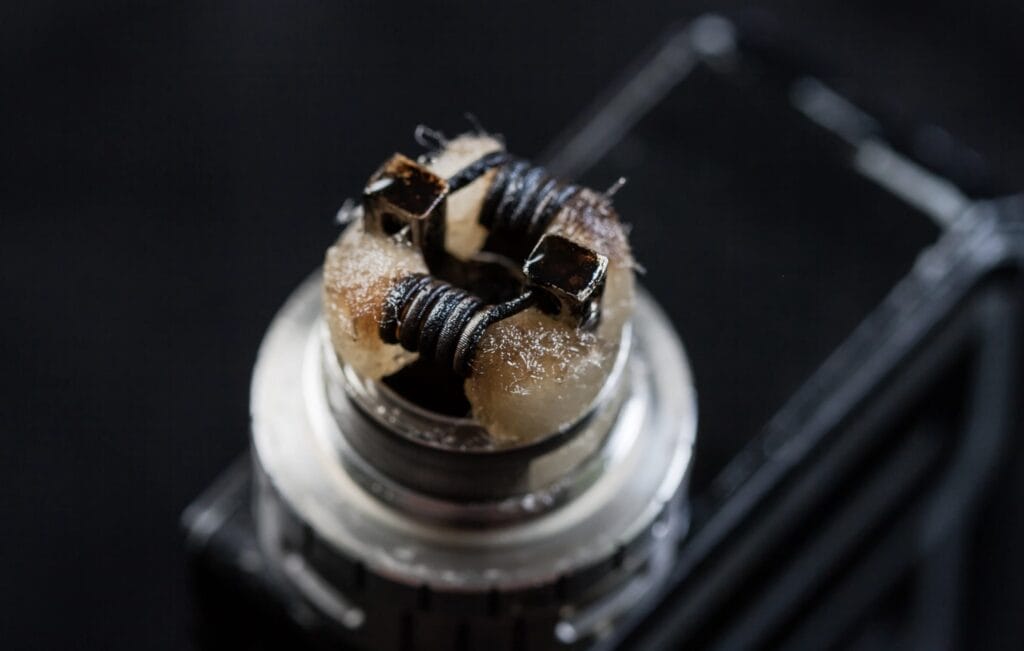
A detailed macro shot of a vape coil heavily covered in dark, baked-on e-liquid residue, commonly known as coil gunk.
However, inhaling an atomised aerosol involves a completely different delivery mechanism:
- Thermal Phase Change: When an e-liquid contacts a heated coil, the carrier liquid—composed of propylene glycol (PG) and vegetable glycerine (VG)—rapidly vaporises alongside the flavour concentrates and nicotine. Heat alters the volatility of these aromatic compounds, causing certain subtle notes to dissipate while others become dominant.
- Carrier Ratio Influence: The balance between PG and VG directly affects how notes are carried across the tongue and throat. Propylene glycol is a thinner fluid that carries concentrated flavours with clarity and provides a sharper throat sensation. Vegetable glycerine is thicker and naturally sweeter, producing dense clouds that can slightly soften or mask intricate flavour accents.
- Retronasal Delivery: Vaping relies heavily on retronasal olfaction, where vapour travels from the back of the mouth up into the nasal cavity during exhalation. If an e-liquid smells rich from the bottle, the heat of atomisation and the speed of exhalation might dilute or reshape those specific scent molecules before your brain processes them.
A close-up macro shot of an active vape coil heating e-liquid, showing the rapid production of vapor due to thermal phase change.
How Hardware Settings and Heat Alter Vape Flavour Taste
Your device hardware plays a massive role in flavour reproduction. Even if two people use the exact same e-liquid, running it on different devices or at different power levels will produce radically different results. Finding the sweet spot for your chosen liquid requires an understanding of how coil resistance and power interact.
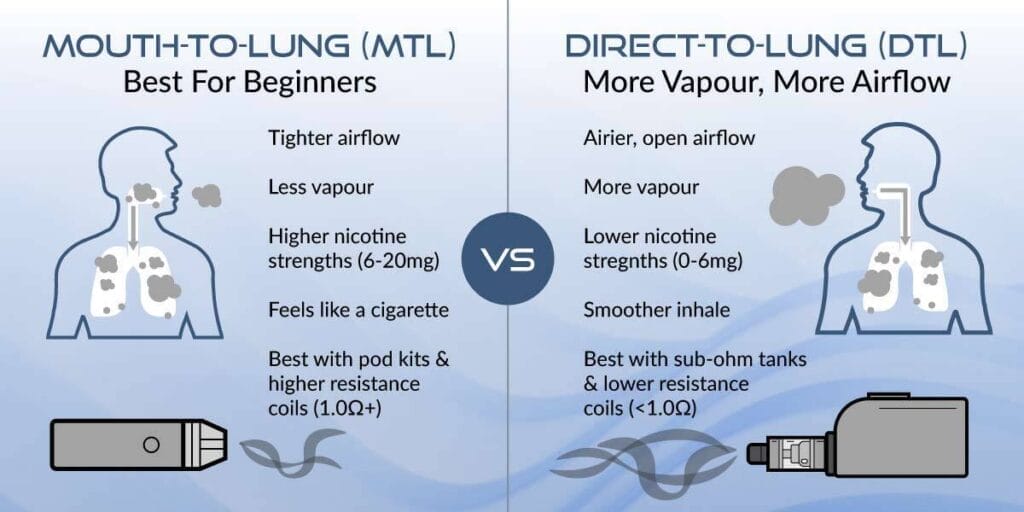
Sub-ohm setups (low resistance, high wattage) vaporise liquid quickly, amplifying sweet, rich notes.
Higher-resistance mouth-to-lung (MTL) setups preserve crisp, tart, and botanical nuances.
Wattage and Coil Temperature
Every flavour compound has an optimal temperature range at which it expresses its best profile. Mint and menthol flavours, for example, typically perform well at lower temperatures, maintaining a crisp, cooling feel. Complex dessert profiles often require moderate warmth to unlock layered notes of pastry, cream, or caramel.
When your wattage is set too high, you risk scorching the organic cotton wick and caramelising the sugars or sweeteners in the e-liquid. This results in a sharp, acrid vape taste that completely overpowers the intended recipe. Conversely, setting the wattage too low leads to under-vaporisation, where the coil cannot reach the required heat to atomise all ingredients evenly. This often results in a thin, watery sensation where only the most volatile chemical notes come through.

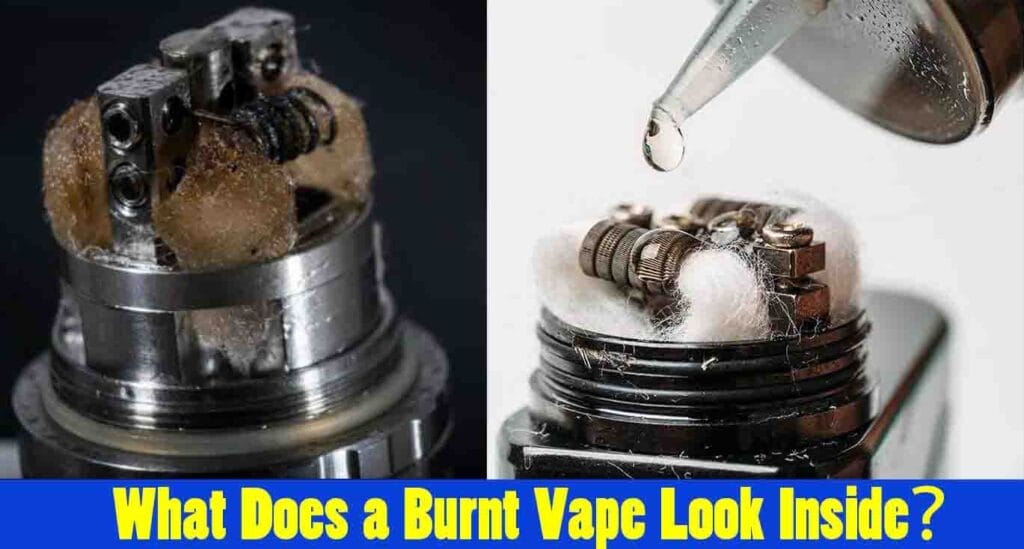
A close-up image of a burnt and gunked organic cotton wick inside a vape coil, showing dark discoloration from excessive heat.
Airflow Dynamics
The amount of air moving across your coil changes vapour concentration and temperature instantly. Wide-open airflow cools down the coil and dilutes the vapour with ambient air, leading to huge clouds but often a more muted flavour profile. Restricting the airflow concentrates the vapour, keeping it warmer and denser, which generally heightens the intensity of your vape flavour taste.
The Biology of Flavour Perception: Why Your Vape Tastes Different Over Time
Sometimes the hardware and e-liquid are in perfect working order, yet the vapour still fails to satisfy. In many cases, the root cause lies within your own sensory system. Human senses are designed to adapt to constant stimuli to prevent sensory overload, a biological reality that heavily influences flavour perception.
Olfactory Fatigue (Vaper's Tongue)
Olfactory fatigue occurs when your smell receptors become temporarily desensitised to a continuous aroma. Because the brain relies on the nose for up to eighty percent of what is perceived as flavour, desensitised scent receptors mean your e-liquid will suddenly seem completely flavourless or dull.
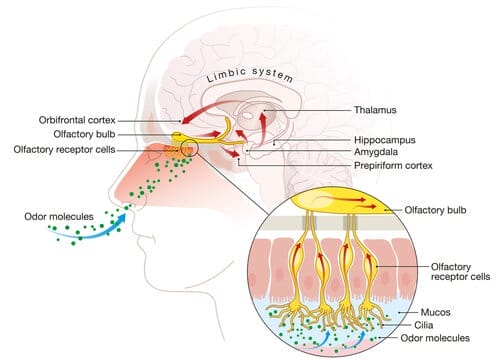
An infographic or illustration depicting a human nose and brain with desensitized smell receptors, symbolizing olfactory fatigue or
If you use the same e-liquid all day without variation, your olfactory bulb essentially filters out that scent profile as background noise. Switching to an entirely different flavour profile, smelling fresh coffee beans, or taking a short break from vaping can reset these receptors and restore normal sensory clarity.
Hydration and Oral Chemistry
Vapour components, particularly propylene glycol, are humectants that naturally attract and absorb moisture. Prolonged vaping without adequate fluid intake can dry out the mucous membranes in your mouth and throat. Saliva plays an indispensable role as a chemical solvent, dissolving flavour molecules so your taste buds can register them. When your mouth is dry, your taste buds cannot function effectively, leading to a flat, uninspiring vape taste. Staying consistently hydrated with plain water is one of the easiest ways to keep flavour delivery sharp.
Cross-Contamination and Coil Age: Restoring Pure Vape Taste
Coil degradation and residual liquid are two of the most frequent culprits behind an unexpected taste. Even the highest quality e-liquid will taste unpleasant if introduced to an unmaintained tank or a tired coil.
Residue and Coil Gunk
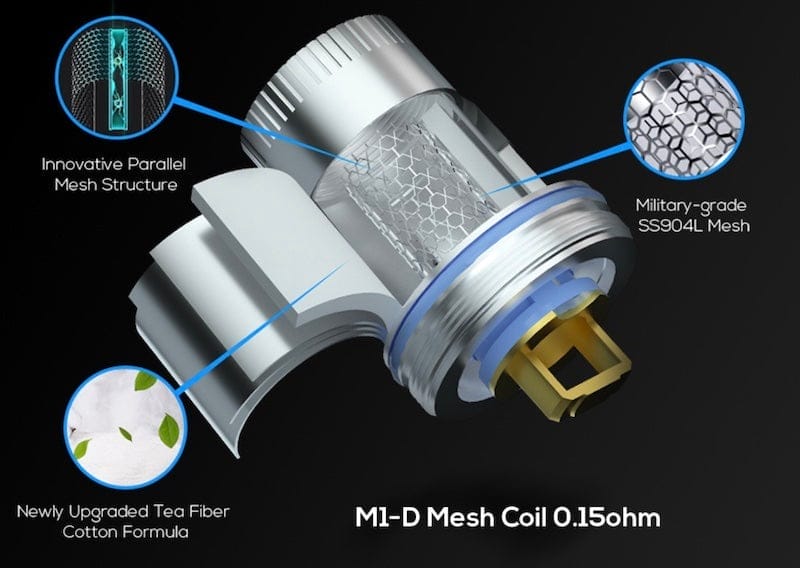
As you vape, e-liquid inevitably leaves behind trace deposits on the heating wire or mesh strip. E-liquids high in artificial sweeteners or dark colourings leave residue more rapidly. Over time, these deposits bake into a dark crust known as coil gunk. When new liquid touches this blackened residue, it picks up a stale, charred undertone. If you notice your vape flavour taste turning dark, bitter, or flat after a week or two of regular use, replacing the coil or pod cartridge is the quickest remedy.
Flavour Ghosting in Tanks
When switching between distinct flavour categories—such as moving from a pungent aniseed or spearmint to a delicate vanilla custard—residual liquid trapped in the wick, chimney, and silicone seals will mix with your new liquid. This cross-contamination can produce an unappealing blend that ruins the profile of the fresh liquid. Thoroughly rinsing your tank with warm water and letting it dry completely before installing a new coil prevents this flavour ghosting.
Storage Conditions and E-Liquid Degradation
How and where you store your e-liquids across the diverse Australian climate significantly impacts their shelf life and flavour integrity. E-liquids are sensitive chemical mixtures that degrade when exposed to environmental stressors.
| Issue | Primary Cause | Impact on Vape Taste | Recommended Solution |
|---|---|---|---|
| Oxidised Nicotine | Exposure to direct sunlight and oxygen | Peppery, harsh throat hit; dark brown colour | Store bottles tightly sealed in a cool, dark drawer or cupboard |
| Heat Degradation | High ambient temperatures (e.g. car glovebox) | Muted, chemically unstable flavour; thin liquid | Keep devices and e-liquids away from heat sources and hot vehicles |
| Separation | Long shelf time without agitation | Inconsistent flavour; harsh or flavourless hits | Shake the bottle vigorously before refilling tanks or pods |
| Coil Scorching | Chain vaping at excessive wattage | Burnt, acrid, or metallic taste | Lower device wattage and allow 15–30 seconds between puffs |
| Flavour Fatigue | Continuous exposure to one flavour profile | Dull, muted, or absent taste across sessions | Rotate daily flavours and stay well hydrated with water |
The Impact of Heat and Sunlight
Leaving an e-liquid bottle on a sunny windowsill or inside a hot car during an Australian summer accelerates the chemical breakdown of both flavour concentrates and nicotine. Heat causes the chemical bonds in complex flavour molecules to fracture, leading to a dull or sour taste. Direct ultraviolet light also speeds up oxidation, turning clear or golden liquid dark amber while creating a harsh, peppery sensation on the throat that overwhelms gentle flavour notes.
An e-liquid bottle left on a sunny windowsill or dashboard of a hot car, with direct sunlight shining on it, indicating improper storage.
The Role of Steeping
Some e-liquids benefit from steeping, which is the process of letting the components homogenise over several days or weeks. Freshly manufactured batches might taste slightly chemical or unrefined. Giving the liquid time to settle in a dark, temperate location allows the carrier base, nicotine, and aroma compounds to integrate smoothly, softening harsh edges and rounding out the intended flavour balance.
Practical Steps to Optimise Your Flavour Experience
If your vape tastes different from what you anticipated, running through a straightforward maintenance checklist can quickly pinpoint and resolve the issue.
- Prime New Coils Correctly: When installing a fresh coil, saturate the exposed cotton wicking holes with a few drops of e-liquid before assembling the tank. Fill the tank and let it rest for five to ten minutes to prevent dry spots from burning instantly on your first puff.
- Start at Low Power: Always begin firing a new coil at the lower end of the manufacturer's recommended wattage range. Slowly step up the wattage by one or two watts at a time until you find the exact balance of warmth and flavour intensity that suits your palate.
- Maintain Device Cleanliness: Clean your tank components, airflow rings, and drip tip regularly to remove condensation, old juice residue, and pocket lint that can alter your inhale.
- Rotate Flavour Profiles: Keep two or three distinctly different flavour styles on hand—such as a fruit profile, a menthol blend, and a classic tobacco—and alternate between them throughout the week to keep your taste receptors responsive.
- Monitor Liquid Quality: Always inspect the colour and consistency of your e-liquid. If a liquid has turned excessively dark, smells strange, or appears unusually thin, it may have oxidised and will not deliver its original flavour profile.
Achieving Consistent Flavour Delivery
Experiencing an unexpected taste from your vape is rarely a permanent problem. By considering how heat settings, coil condition, personal hydration, and proper storage interact, you can easily control the variables that shape your overall sensory experience.
Taking the time to match your device wattage to your e-liquid style, keeping your hardware clean, and giving your senses occasional breaks will ensure that every inhale matches your expectations. With a methodical approach to setup and maintenance, you can consistently unlock the pure, layered flavours your e-liquids were designed to deliver.