Why Does My Vape Crackle or Pop? Understanding Vape Crackling

Why Does My Vape Crackle or Pop? Understanding Vape Crackling
Taking a draw from your vape only to hear an unexpected pop, snap, or sharp sizzle can be unsettling, especially if you are new to using an e-cigarette or pod system. For many users, vape crackling is an everyday auditory cue that the heating element is doing its job. For others, a sudden loud crackle accompanied by a burst of hot liquid can ruin an otherwise smooth experience.
Understanding why these sounds occur requires a quick look at how vaporisation works inside your device. When e-liquid comes into contact with a rapidly heating wire or mesh coil, physical and thermal reactions produce distinct sounds. While a soft, consistent crackle is completely normal, sudden popping or gurgling often points to excess liquid pooling in the heating chamber. This guide explores the mechanical reasons behind these sounds, distinguishes normal operation from common issues, and provides actionable steps to keep your draws smooth and consistent.
Understanding Vape Crackling: What Causes the Sizzle?
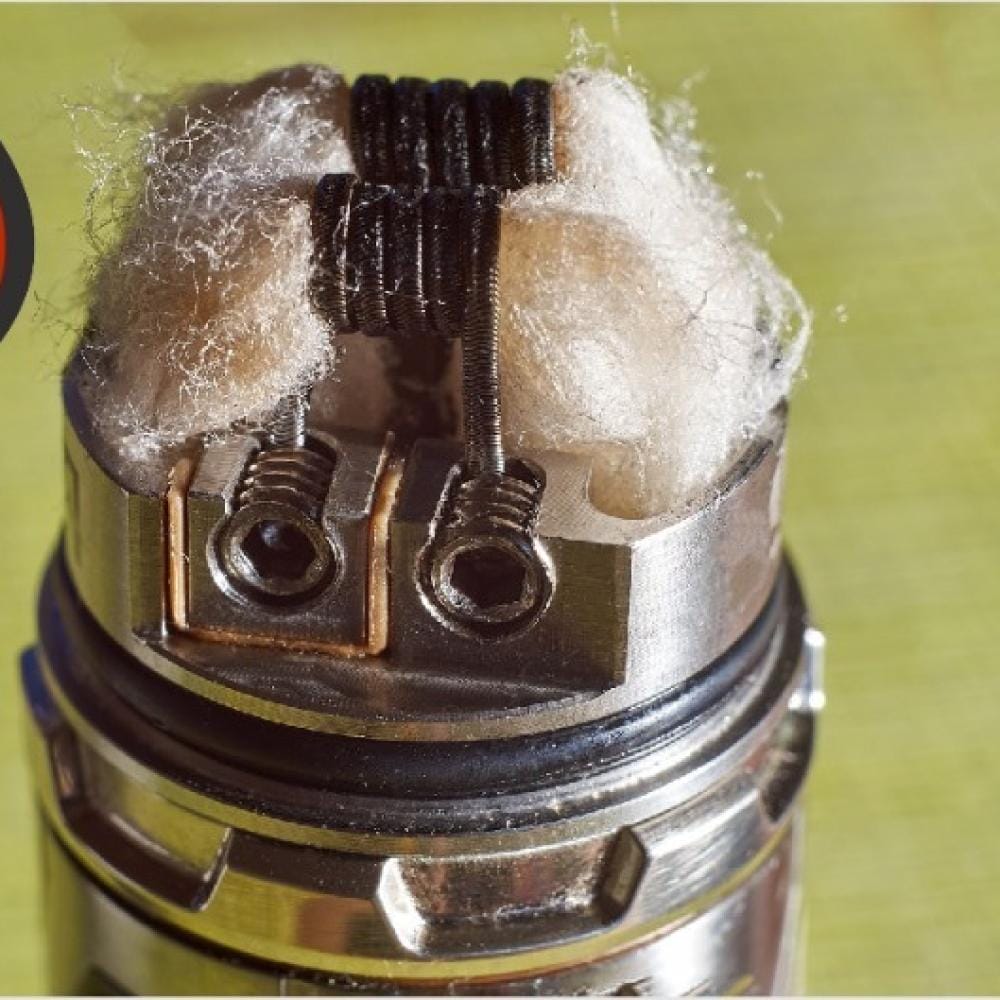
At its core, an e-cigarette functions via rapid thermal transfer. Inside the pod or tank sits an atomiser head containing a metal coil wrapped in or surrounded by an absorbent wicking material (usually organic cotton). When you press the fire button or take a draw on an auto-draw device, battery current surges through the coil element.
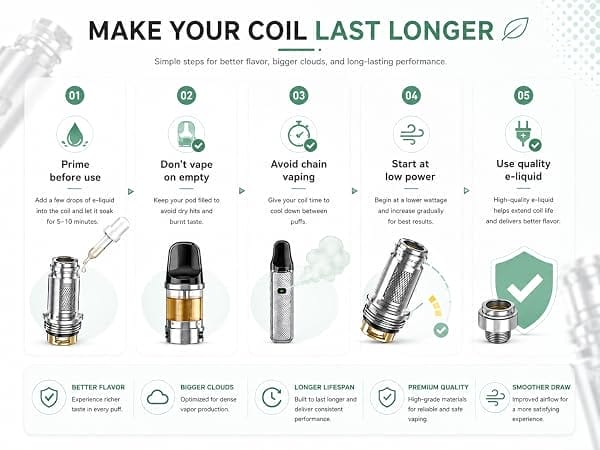
Close-up view of a vape atomiser head, showing the metal coil wrapped with absorbent wicking material and e-liquid.
As the coil temperature surges from ambient levels to several hundred degrees within milliseconds, the e-liquid held in the surrounding wick transitions from a liquid state into an aerosol mist.
A gentle, rhythmic crackle is the direct acoustic result of this rapid phase change. As microscopic pockets of liquid contact the heating metal, they atomise almost instantaneously. The small burst of expanding vapour creates miniature sound waves that travel up the central chimney and out of the mouthpiece. If your device produces a steady, mild sizzle without throwing liquid into your mouth, your atomiser is performing as intended.
The Physics Behind Loud Pops and Spitback
While a gentle sizzle reflects normal vaporisation, loud snapping sounds or sudden pops stem from uneven heating and fluid oversaturation.
Close-up of a vape devices airflow inlets, showing them partially or completely blocked by lint, dust, or a finger.
- Dry Wick — <— Ideal Balance → Flooded Chamber
- Underwicked — Over-saturated
- Burnt Taste — Pops & Spitback
1. Coil Flooding and Fluid Cavitation
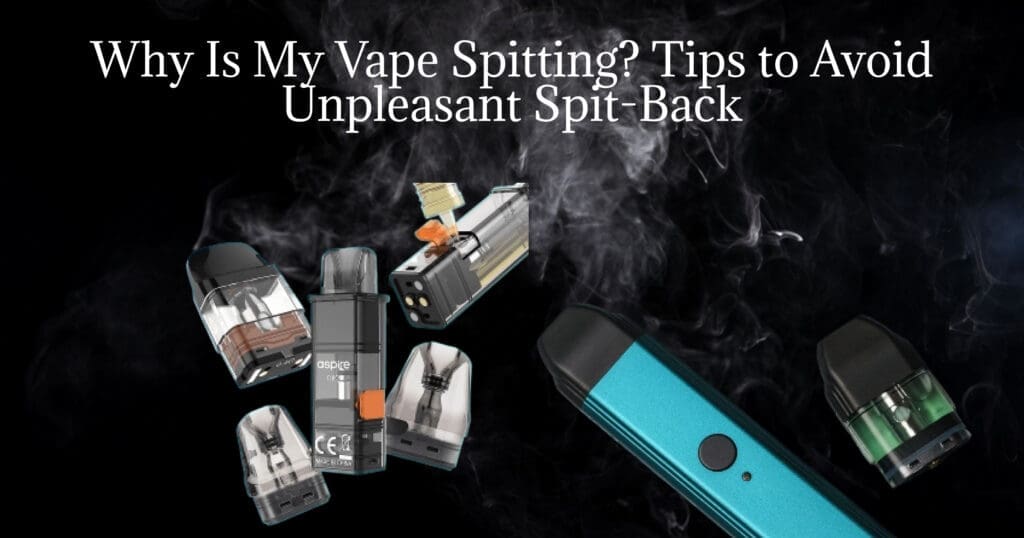
When a wick absorbs more e-liquid than the coil can vaporise during a single draw, the atomisation chamber becomes flooded. Instead of a thin film of liquid resting against the heating element, a thick pool forms over the wire or mesh surface.
When current passes through a submerged coil, the liquid directly touching the metal reaches boiling point before the surrounding pool can catch up. This creates trapped vapour bubbles beneath the fluid layer. As these bubbles rapidly expand and break through the surface of the pool, they collapse violently—a physical process known as cavitation. The rapid burst generates a sharp "pop" sound and can propel unvaporised droplets straight up the mouthpiece.

Scientific diagram or conceptual image illustrating cavitation on a submerged vape coil, showing trapped vapor bubbles expanding and collapsing violently.
2. Inhalation Pressure and Chamber Flooding
The way you draw on your device directly impacts fluid dynamics inside the pod or tank. Inhaling with too much force creates an intense vacuum inside the atomisation chamber. This negative pressure pulls excess liquid out of the reservoir and directly into the wick faster than the heating element can process it. The resulting oversaturation causes the coil to drown, turning a gentle hum into loud pops and bubbling.
3. Airflow Obstructions
Smooth vaporisation relies on an uninterrupted stream of air passing across the coil surface to carry the newly formed aerosol away. If the airflow inlets on your device are blocked by lint, dust, or fingers, the temperature around the coil can fluctuate unpredictably. Restricted airflow also increases the internal vacuum pressure during a puff, exacerbating flooding issues.

Close-up of a vape device
Evaluating Different Sounds: Normal Vape Crackling vs Hardware Issues
Not every sound your device produces indicates a problem. To help identify whether your vape requires attention, use the comparison table below to diagnose different sounds and operational behaviours.
| Sound & Symptom | Primary Cause | Is It Normal? | Recommended Action |
|---|---|---|---|
| Soft, steady sizzle | Rapid, uniform vaporisation across the wick | Yes, fully normal | None; enjoy your device as normal. |
| Loud, isolated pop | Small pocket of pooled liquid bursting on initial fire | Common after resting | Take a brief, gentle primer puff or continue regular use. |
| Wet gurgling / bubbling | Excess liquid pooling in the coil base or chimney | No, indicates flooding | Clear excess liquid with a paper towel and ease draw strength. |
| Spitback (hot droplets) | Severe coil flooding and fluid cavitation | No, causes discomfort | Clear the chimney, inspect the coil, and avoid over-saturating the wick. |
| Whistling or hissing | Airflow turbulence or partially blocked air slots | Harmless, but suboptimal | Adjust the airflow control ring or clean the exterior intake vents. |
Why Does a Vape Keep Crackling After Taking a Hit?
A frequent point of confusion is hearing your vape continue to sizzle for a fraction of a second after you have finished drawing or released the activation button. This phenomenon typically stems from two factors:
Residual Thermal Energy
Metal heating elements—particularly heavier multi-strand coils or dense mesh strips—do not lose their heat instantly. When power cuts off, the metal retains residual thermal energy for a brief moment. If the wick remains saturated, this lingering heat will continue to simmer the surrounding liquid, producing a faint trailing sizzle.
Draw-Activated Sensor Latency
Many modern pod devices rely on pneumatic pressure sensors that activate the battery the moment you begin inhaling. When you stop drawing, there can be a microscopic delay before the airflow switch registers the drop in pressure and cuts power. During that split second, the coil continues to receive current, leading to a brief post-puff crackle.
Practical Steps to Minimise Excessive Vape Crackling and Popping
If your vape has transitioned from a quiet hum to loud, disruptive popping, several simple maintenance habits and operational adjustments can restore balance to your device.
- Diagnose Sound & Performance
- Wet Gurgle / Spitback — Consistent Dry Pop
- • Clear chimney pathway — • Check pod seating
- • Inhale more gently — • Allow wick time to rest
- • Avoid overfilling pod — • Replace aged coil/pod
1. Clear the Central Airflow Pathway
As vapour travels up through the internal chimney of a pod or tank, a small portion naturally cools and reverts to liquid form along the inner walls. Over several sessions, this condensation accumulates and runs back down towards the coil, causing gurgling and spitting.
- Remove the pod or tank from your battery unit.
- Roll a clean piece of paper towel into a narrow point and gently insert it down the mouthpiece into the central chimney.
- Allow the paper towel to absorb any pooled condensation, then remove it before reattaching the pod.
2. Adjust Your Inhalation Technique
Unlike traditional combustible products that respond to short, sharp puffs, electronic vaporisers perform best with smooth, steady draws.
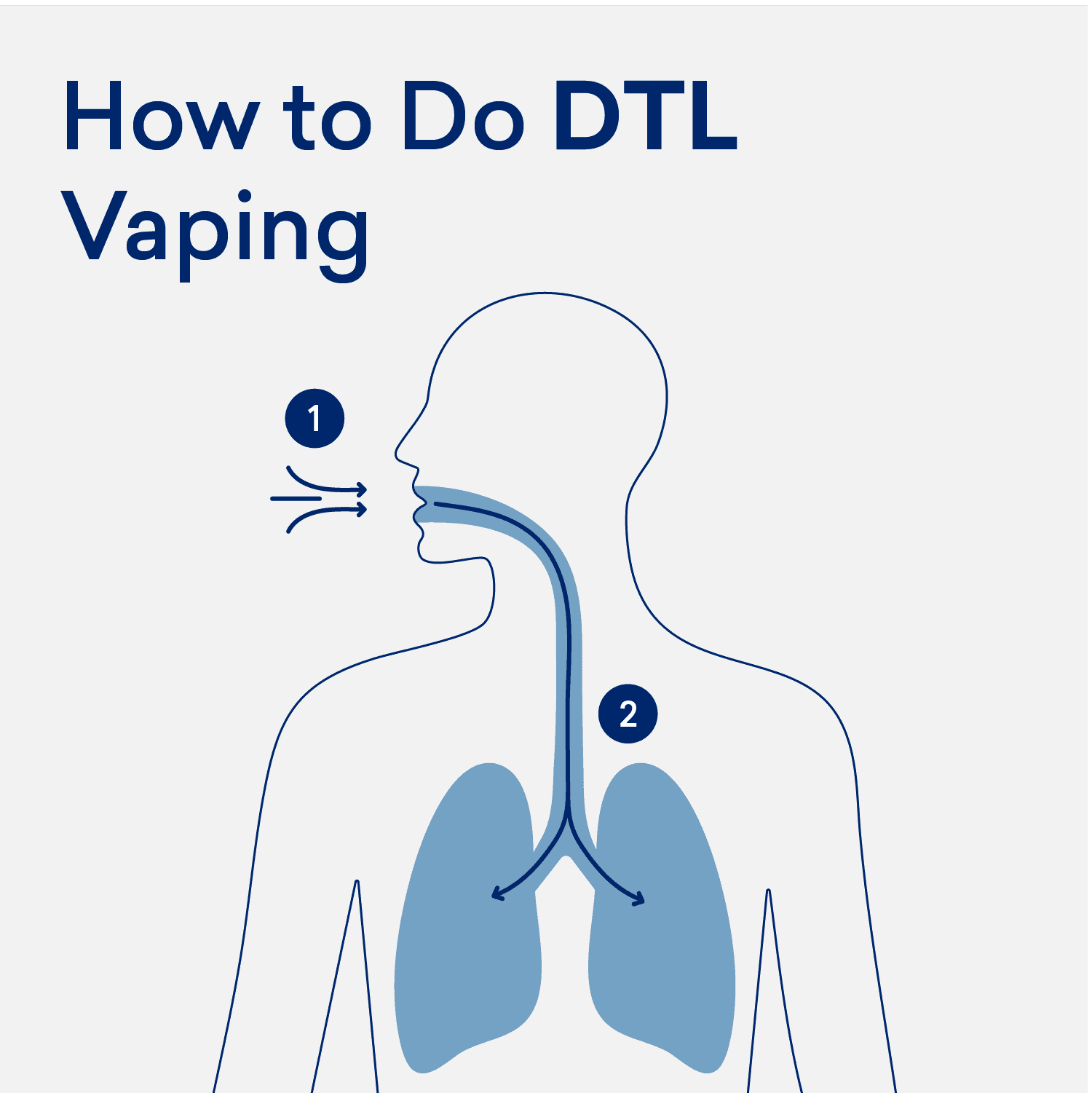
Image or diagram illustrating the correct, gentle, and steady inhalation technique for vaping, contrasting with harsh puffs.
- Pull gently and evenly for two to three seconds per puff.
- Allow the incoming airflow to naturally cool the coil and lift the vapour without pulling excess fluid from the reservoir.
- Avoid taking rapid, successive "chain" puffs that can overwhelm the wick's thermal equilibrium.
3. Avoid Overfilling the Reservoir
When filling your pod or tank, always leave a small pocket of air at the top of the reservoir rather than filling it completely to the brim. This air bubble helps maintain negative pressure (a vacuum seal) inside the tank, which regulates the flow of liquid into the wicking ports and prevents the atomiser chamber from flooding under gravity.
4. Let New Pods and Coils Settle Properly
When setting up a fresh coil or pod, priming the cotton is essential to prevent dry hits. However, adding too much liquid directly into the centre of a new coil before installation can trigger immediate flooding on the first draw.
After filling a new pod, let it sit upright for five to ten minutes. This allows the wick to saturate naturally through capillary action, ensuring an even distribution of liquid across the heating surface without flooding the central chamber.
When to Replace Your Coil or Pod
Even with regular cleaning and proper drawing technique, atomiser coils have a finite operational lifespan. Over time, the continuous heating and cooling cycles degrade the structural integrity of the wicking material.
- New Coil Setup → Optimal Performance → Wick Degradation
- • Fluffy cotton — • Crisp flavour — • Compacted fibres
- • Clean heating wire — • Gentle sizzle — • Dark residue build-up
- • Persistent popping
As organic cotton ages, its fibres become compacted and lose their ability to hold e-liquid securely. This degradation allows fluid to seep uncontrollably into the central chamber, resulting in persistent gurgling, loud popping, and reduced vapour production.
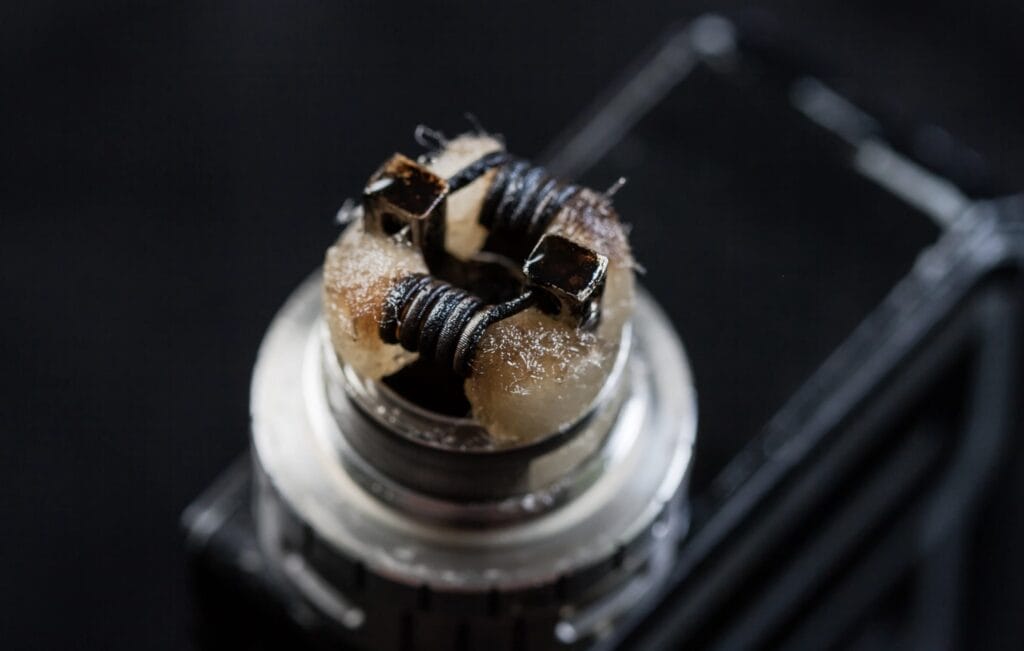
Furthermore, residue from vaporised e-liquids gradually forms a dark, crust-like coating over the metal element. This build-up prevents the coil from heating evenly, creating isolated hot spots that cause fluid to pop erratically. If your device continues to pop loudly despite clearing the chimney and adjusting your draw, replacing the pod or coil head with a fresh unit is the most effective solution.
Close-up image of a vape coil with significant dark, crust-like residue buildup from vaporized e-liquid, indicating uneven heating.
Summary: Keeping Your Draws Smooth and Quiet
A gentle, rhythmic crackle is a natural part of the vaporisation process, indicating that your coil is actively transforming liquid into a smooth mist. However, when gentle crackling turns into loud pops, wet gurgles, or unpleasant spitback, the underlying cause is almost always excess liquid flooding the atomisation chamber.
By maintaining clear airflow pathways, drawing smoothly, avoiding overfilling, and replacing aged coils when their wicks break down, you can eliminate erratic popping and maintain a consistent, flavourful, and quiet experience every time you vape.