Does the Shape of a Vape Mouthpiece Change the Experience? (2026 Guide to Vape Mouthpiece Design)

Does the Shape of a Vape Mouthpiece Change the Experience? (2026 Guide to Vape Mouthpiece Design)
When assessing the performance of a vaporiser, most people naturally focus on the internal battery, coil resistance, or e-liquid formulation. Yet the physical interface between the device and your lips—the vape mouthpiece—plays a surprisingly decisive role in the overall sensation. Whether you are evaluating a sleek pod system, an advanced refillable tank, or a modern disposable vape mouthpiece, the shape, contour, and bore diameter directly govern your vape draw, vapour velocity, and physical comfort. A well-considered vape mouthpiece design can elevate a subtle flavour profile into something distinctly rich, whereas an awkward shape can make an otherwise premium setup feel clunky and unsatisfying.
Over the past decade, hardware engineering has moved far beyond simple hollow tubes. Designers now treat the mouthpiece (often termed a drip tip in modular systems) as a critical acoustic and fluid-dynamic nozzle. From wide-bore cylinders that facilitate heavy cloud dispersion to flat duckbill shapes tailored for tight mouth-to-lung draws, tip architecture influences how vapour meets your palate. Understanding how these shapes work helps you tailor your setup to your exact inhalation preferences.
A visual timeline or collage showcasing the evolution of vape mouthpiece designs, including various shapes like wide-bore cylinders and flat duckbill tips for different vaping styles.
The Mechanics of the Vape Draw: How Tip Geometry Shapes Airflow
At its core, the mouthpiece acts as the final restriction point in a device's airflow pathway. Even if the internal chamber produces dense aerosol, the cross-sectional area and contour of the tip dictate how that aerosol enters your mouth.
- AIRFLOW PATHWAYS
- Narrow / Tapered Tip — Wide-Bore Cylinder
- (MTL Draw) — (DTL Draw)
- \ — / — <- High velocity, — | — | — <- High
- || — concentrated stream — | — | — volume,
- || — onto palate — | — | — diluted
- | — | — spread
A diagram illustrating the mechanics of vape draw, comparing how a narrow/tapered mouthpiece creates a high-velocity, concentrated vapor stream versus a wide-bore cylinder producing a high-volume, diluted spread.
Bore Diameter and Airflow Velocity
The internal diameter (bore) of a tip determines the resistance and velocity of the vapour:
- Narrow Bore (2 mm to 4 mm): Restricts airflow, creating natural draw resistance. This velocity focuses the vapour into a direct stream across the tongue, which can enhance the perception of complex, nuanced flavour notes.
- Medium Bore (5 mm to 7 mm): Offers a balanced middle ground, suited for restricted direct-to-lung draws where moderate cloud production and flavour retention are equally desired.
- Wide Bore (8 mm to 12 mm+): Minimises restriction, allowing massive volumes of air to mix with the vapour. This configuration suits open-lung draws, prioritising rapid vapour delivery and dense cloud output.
An infographic comparing narrow (2-4mm), medium (5-7mm), and wide (8-12mm+) bore vape mouthpieces, showing their respective impacts on airflow restriction, vapor velocity, and draw resistance.
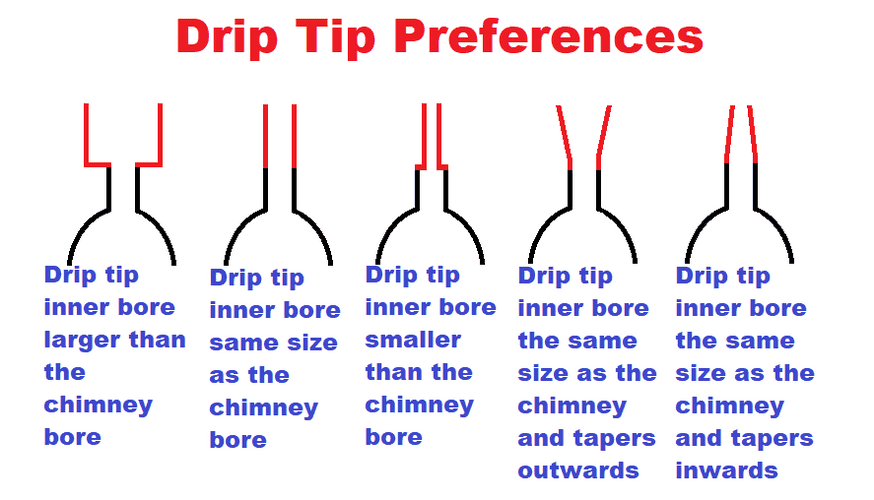
Internal Chimney Contours: Straight vs Conical
The interior machining of the mouthpiece is just as important as the external shape. Straight-walled chimneys allow vapour to travel in a uniform column, but they can occasionally create turbulence if the transition from the atomiser chimney is abrupt.
Conversely, funnelled or conical interior bores gradually taper inward or outward. A smooth conical taper reduces turbulence, helping to prevent condensation droplets from pooling along the inner walls and entering the mouth during a draw.
A cutaway diagram showing the internal chimney contours of vape mouthpieces, contrasting a straight-walled design with a conical or funnel-shaped interior to illustrate benefits like reduced turbulence and condensation.
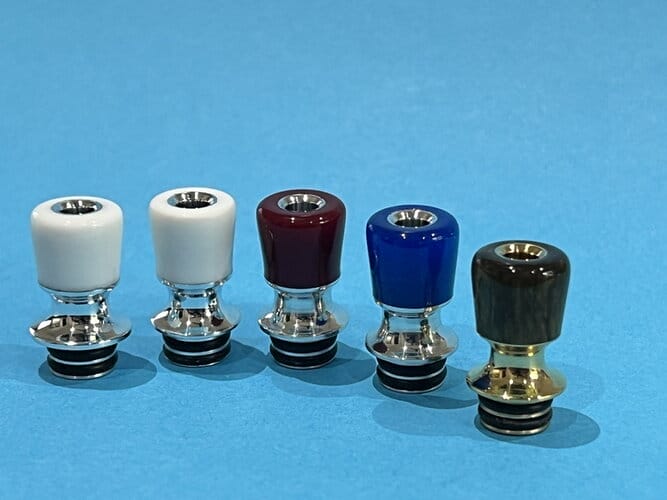
Popular Vape Mouthpiece Design Profiles: Flat, Round, and Contoured
The external shape of the tip dictates lip placement, muscle fatigue during extended sessions, and how naturally the device rests between the teeth or lips.
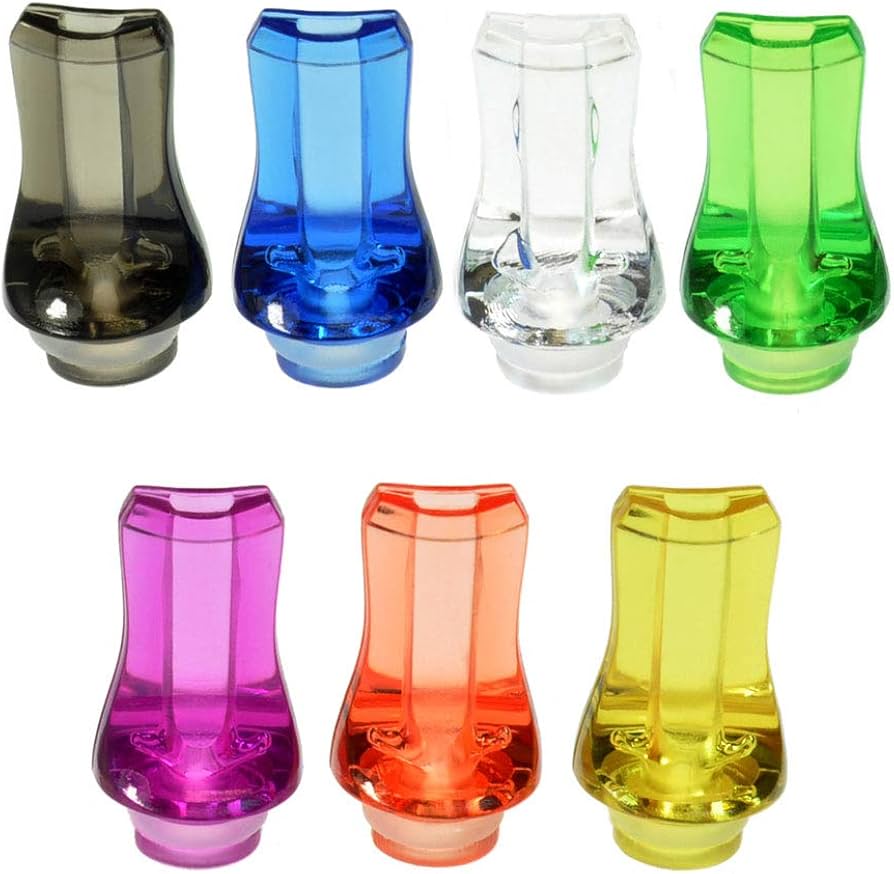
A photographic comparison of popular external vape mouthpiece design profiles, including flat
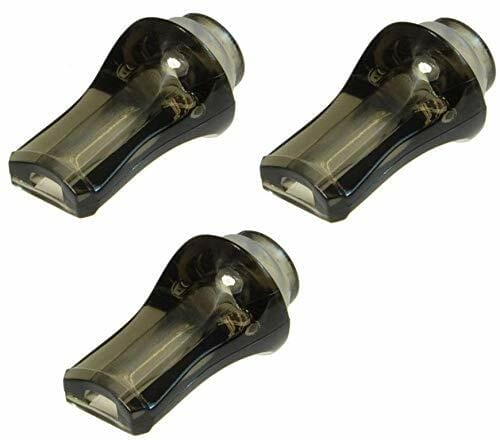
1. The Flat "Duckbill" or Whistle Tip
The duckbill design features a wide, flattened profile that mimics the natural resting position of human lips. Because it seals effortlessly without requiring you to purse your lips around a cylinder, it provides an intuitive, ergonomic seal.
- Primary Use: Mouth-to-lung (MTL) devices, slim pods, and compact all-in-one hardware.
- User Sensation: Relaxed lip posture with highly targeted vapour dispersion along the width of the tongue.
2. Cylindrical and Round Tips
The traditional circular tip remains a universal standard across standard 510 and 810 fittings. It allows inhalation from any angle without needing to reorient the device in your hand.
- Primary Use: Sub-ohm tanks, rebuildable atomisers, and classic pen-style devices.
- User Sensation: Familiar, classic feel that accommodates both narrow MTL sipping and expansive direct-to-lung draws depending on the internal bore width.
3. Tapered and Bullet Contours
Tapered designs feature a base that gradually narrows toward the tip. This contour allows the user to rest their lips at varying depths along the taper to subtly modify their lip seal and comfort.
- Primary Use: Flavour-focused tanks and specialised pod cartridges.
- User Sensation: Precise placement with minimal surface contact, keeping heat away from the lips.
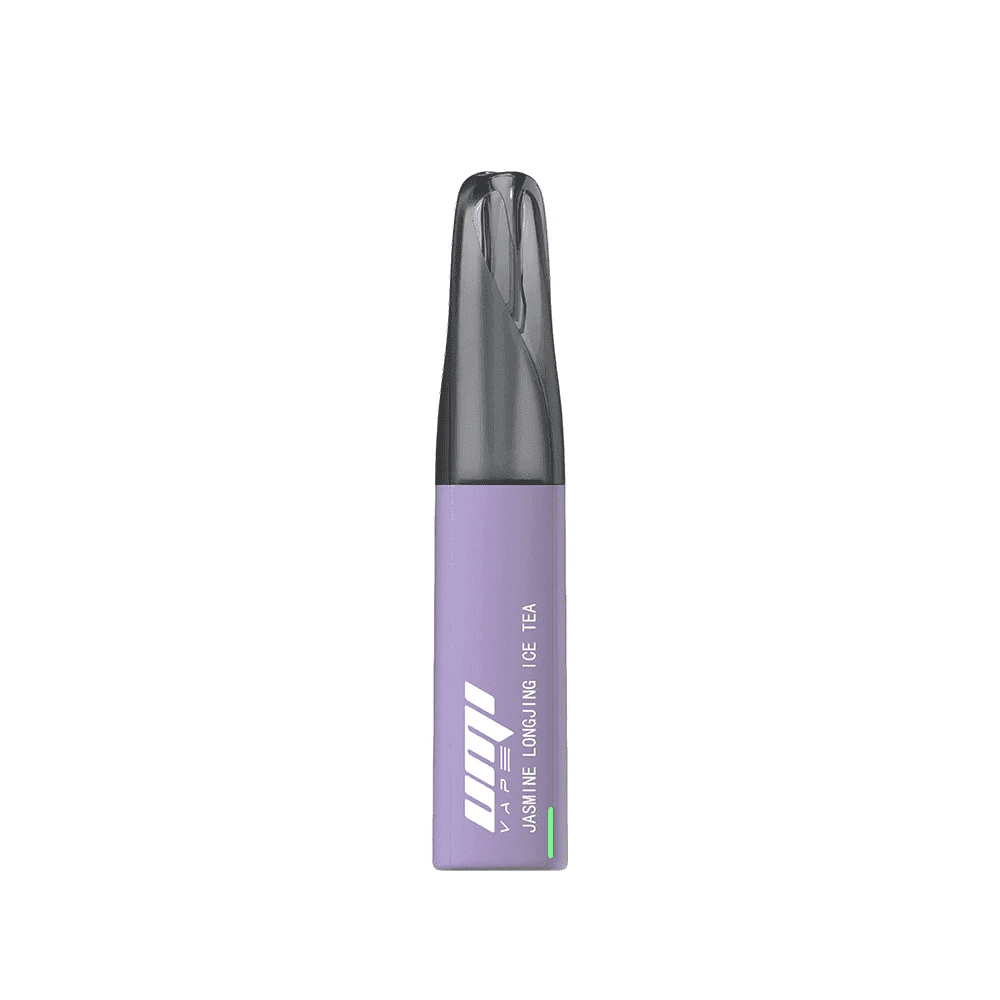
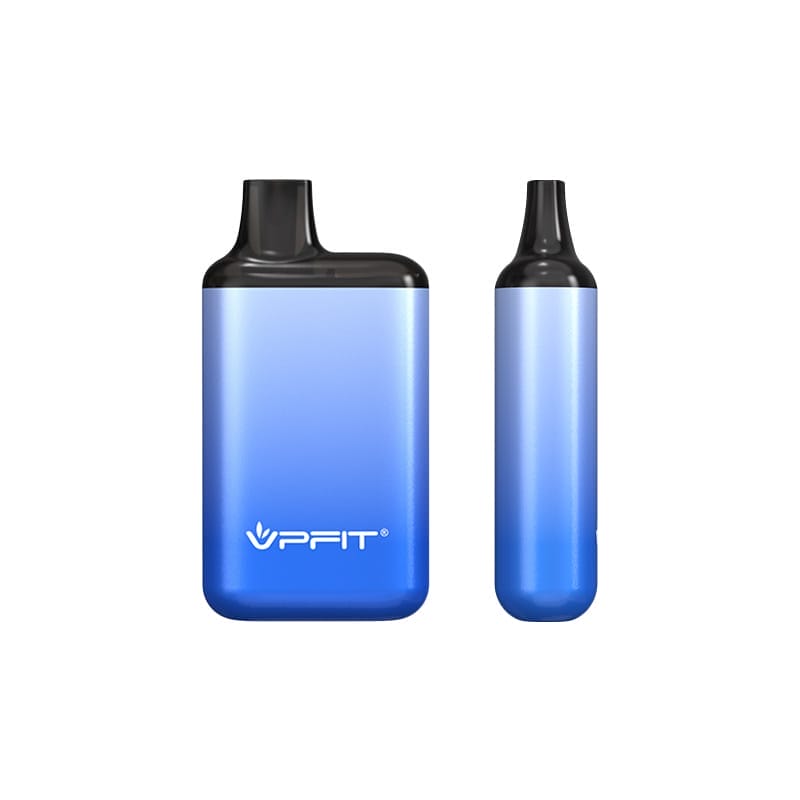
Why the Disposable Vape Mouthpiece Favours the Duckbill Contour
If you look at the disposable market, the overwhelming majority of devices utilise an integrated, flattened duckbill shape. This design choice is not accidental; it is driven by user ergonomics and airflow matching.
Close-up shot of a modern disposable vape device featuring its characteristic integrated, flattened duckbill mouthpiece, emphasizing its ergonomic design for MTL draws.
Most single-use devices operate with higher-resistance coils and restricted airflow circuits designed to replicate the sensation of traditional smoking. A flat disposable vape mouthpiece naturally compresses the user's lips together, encouraging a tighter, more concentrated mouth-to-lung draw. Furthermore, an integrated injection-moulded duckbill creates a seamless structural seal with the outer casing, preventing air leaks that could disrupt the draw-activation sensor inside the battery housing.
Comparing Mouthpiece Types: Shape, Material, and Sensation
Choosing the right mouthpiece involves balancing shape, internal airflow, and contact material. The table below outlines how common configurations influence the everyday vaping experience.
| Mouthpiece Style | Dominant Materials | Optimal Inhalation Style | Tactile Feel & Sensory Focus |
|---|---|---|---|
| Flat Duckbill | Polycarbonate, PCTG, Soft TPU | Mouth-to-Lung (MTL) | Natural lip seal; concentrates vapour across the front of the palate |
| Narrow Straight Round | Stainless steel, Delrin, Ceramic | Strict MTL / Flavour tasting | Firm, precise contact; delivers high-velocity, defined vapour streams |
| Wide-Bore Straight | Resin, Delrin, Acrylic | Direct-to-Lung (DTL) | Open, unrestricted draw; maximises cloud volume with low draw resistance |
| Ergonomic Tapered | Stabilised wood, Glazed ceramic | Restricted Direct-to-Lung (RDL) | Smooth resting curve; excellent heat isolation with balanced vapour spread |
| Soft-Touch Flexible | Thermoplastic Polyurethane (TPU) | MTL & Casual Daily Use | Cushioned, forgiving on teeth; highly durable for active or outdoor use |
Material Innovations: From Classic Ceramics to Soft-Touch TPU
While shape dictates airflow and lip positioning, the material composition defines thermal comfort, durability, and flavour neutrality.
Food-Grade Plastics (Delrin, POM, and PCTG)
Engineering plastics like Polyoxymethylene (Delrin) and PCTG remain industry favourites due to their high thermal resistance and lightweight properties. Delrin acts as a thermal barrier, preventing heat generated by low-resistance coils from transferring to the user's lips. PCTG is commonly utilised in transparent pod cartridges, allowing users to monitor condensation and e-liquid levels easily.
Glazed Ceramics and Natural Wood
Ceramic mouthpieces offer an exceptionally smooth, non-porous surface that resists residue build-up and maintains complete flavour neutrality. They stay cool under moderate use and clean easily. Treated hardwood tips provide an organic, premium aesthetic and natural lip texture, though they require careful drying to prevent moisture degradation over time.
Flexible Thermoplastic Polyurethane (TPU)
A notable development in recent hardware design is the adoption of soft-touch, flexible polymers such as food-grade TPU. Traditional hard plastics can feel harsh against the teeth if bumped during transit or active movement. Soft-touch elastomeric mouthpieces provide a cushioned, flexible alternative that eliminates hard contact while offering excellent drop resistance and a unique tactile grip.
Flavour Delivery and Tactile Comfort: Why the Tip Matters
Your perception of flavour is intimately tied to temperature, vapour concentration, and where the aerosol lands on your tongue. The mouthpiece serves as the direct conduit shaping these factors.
Narrow Bore Tip:                 Wide Bore Tip:
+------------------------+       +------------------------+
| Concentrated Stream    |       | Dispersed Cloud        |
| -> Targeted on palate  |       | -> Broad oral coverage |
| -> Warmer, dense draw  |       | -> Cooler, airy draw   |
+------------------------+       +------------------------+
- Vapour Dispersion: A narrow, concentrated tip directs the aerosol stream directly toward the central taste buds, accentuating bold top notes like fruit acidity or sharp menthol. A wider opening disperses the vapour broadly across the oral cavity, which can make dessert and bakery flavour profiles feel fuller and rounder.
- Lip Fatigue: Using a mouthpiece that is too wide for a mouth-to-lung draw forces your facial muscles to work harder to maintain an airtight seal. Over a full day of use, an ergonomically matched tip significantly reduces strain.
- Heat Shielding: Short, metallic tips placed directly above high-powered coils can become uncomfortably warm during consecutive draws. Opting for a taller profile or a heat-resistant material like Delrin or resin isolates your lips from the atomiser's operational heat.
How to Choose the Right Vape Mouthpiece for Your Preferences
To get the most out of your hardware, match the tip's characteristics to your preferred style of inhalation:
For Flavour Enthusiasts and MTL Vapers
- Recommended Shape: Flat duckbill or narrow cylindrical tip (3 mm to 5 mm inner bore).
- Recommended Material: Ceramic or Delrin.
- Why it works: Focuses the vapour into a dense, flavour-rich stream while keeping draw resistance firm and realistic.
For Cloud Enthusiasts and Sub-Ohm Users
- Recommended Shape: Low-profile, wide-bore 810 cylinder (8 mm to 11 mm inner bore).
- Recommended Material: Resin, acrylic, or thick POM.
- Why it works: Minimises air restriction, allowing full airflow across the coil to produce dense vapour without heating up the contact surface.
For Active and On-the-Go Vapers
- Recommended Shape: Ergonomic contoured or integrated pod tip.
- Recommended Material: Soft-touch TPU or shatter-resistant PCTG.
- Why it works: Absorbs minor impacts, survives accidental drops, and provides a secure, comfortable hold.
Maintenance, Hygiene, and Condensation Control
Because the mouthpiece is the primary physical contact point, it quickly collects pocket lint, skin oils, and aerosol condensation. Proper maintenance ensures consistent flavour and prevents hygiene issues.
Routine Cleaning Protocols
- Removable 510/810 Tips: Detach the tip daily and rinse it under warm running water. For plastic, resin, or ceramic tips, a mild dishwashing liquid or an isopropyl alcohol wipe removes stubborn residue. Rinse thoroughly and allow to air dry completely before reattaching.
- Integrated Pods and Disposables: Since these cannot be submerged without ruining the internal electronics or coil, use a dry cotton bud or an alcohol-free sanitising wipe to clean the inner bore and outer lip surface.
Managing Condensation Buildup
Vapour passing through a cooler mouthpiece inevitably causes minor condensation along the inner chimney. If left unchecked, this moisture can produce gurgling sounds or spit-back.
- Periodically twist a rolled tissue or cotton bud into the bore to absorb collected moisture.
- Avoid resting your finger over the base airflow inlets, as restricted intake can increase internal condensation rates.
Final Thoughts on Mouthpiece Selection
While the battery and atomiser coil provide the engine of a vaporiser, the mouthpiece is the steering wheel. Its external geometry, internal bore, and base material directly shape your inhalation dynamics, vapour temperature, and tactile enjoyment.
Whether you prefer the natural, relaxed grip of a flat duckbill contour, the open airflow of a wide-bore cloud-chasing tip, or the forgiving comfort of a modern flexible polymer, paying attention to this small component lets you fine-tune your device to deliver an optimal experience every time. Take a moment to experiment with different profiles on your compatible hardware—you may find that simply swapping the tip transforms your everyday draw completely.