Metal vs Plastic Disposable Vape: Does Vape Body Material Matter in 2026?

Metal vs Plastic Disposable Vape: Does Vape Body Material Matter in 2026?
When weighing up the design of modern hardware, the debate between choosing a metal disposable vape or a plastic disposable vape often centres on personal preference, hand feel, and everyday durability. From sleek brushed metal casings to lightweight moulded polymers, vape body material plays a noticeable role in how a device feels in the pocket and survives day-to-day use. But as the market evolves and hardware extends across lifespans ranging from smaller devices under 5,000 puffs to high-capacity options claiming up to 20,000 puffs, many adult users wonder if an aluminium vape shell delivers tangible advantages beyond looks, or if vape build quality depends far more on what sits beneath the outer casing.
Understanding the difference between external housing and internal componentry is essential for getting an objective perspective. While marketing campaigns frequently associate metallic surfaces with premium craftsmanship, the outer chassis is only one element of a complex electrical and fluid-carrying assembly. To understand whether body material genuinely matters, it helps to break down physical resilience, thermal behaviour, internal pathway design, and the broader realities of everyday hardware handling.
Aluminium Vape vs Polycarbonate: Assessing Overall Vape Build Quality
The external shell is your primary tactile point of contact with any handheld vaporiser. In contemporary hardware design, two broad material classes dominate: metals—predominantly anodised aluminium or zinc alloys—and rigid engineering polymers like polycarbonate (PC) and acrylonitrile butadiene styrene (ABS).
The Case for Aluminium and Zinc Alloys
Aluminium alloys are widely used across consumer electronics due to their high strength-to-weight ratio. When applied to vape body fabrication, an aluminium shell provides a cool-to-the-touch sensation, structural rigidity, and resistance to compression.
- Rigidity: An aluminium casing resists flexing under point pressure, preventing the device from bending when stored in a tight pocket or bag.
- Surface Finishes: Metallic bodies accommodate anodised, bead-blasted, or matte coatings that resist superficial scuffs and retain their appearance over time.
- Weighted Balance: The added mass of metal provides a grounded centre of gravity, which many people intuitively associate with substantial build quality.
The Role of Polycarbonate and Engineering Plastics
Conversely, plastic enclosures remain common across single-use and pod designs. Modern engineering plastics are far removed from brittle, cheap polymers; compounds like polycarbonate are chosen for specific industrial properties.
- Impact Absorption: High-impact plastics have natural elasticity, allowing them to deform slightly under shock and bounce back rather than denting.
- Lightweight Portability: Plastic disposables weigh significantly less than their metal counterparts, making them virtually unnoticeable in a pocket.
- Design Versatility: Transparent or semi-translucent polymer windows make it straightforward to visually check remaining fluid levels without disassembling the device.
Structural Resilience: How Chassis Materials Handle Everyday Wear
Durability is one of the most obvious differentiators between materials. Handheld devices are regularly subjected to accidental drops onto bitumen, pressure inside crowded bags, and direct exposure to keys or loose change.
An aluminium vape housing offers rigid protection for internal electronics. When dropped from waist height, a metallic shell usually suffers minor cosmetic scratches or corner abrasions while shielding the internal battery cell from blunt impact. However, metal is prone to permanent deformation: if an aluminium body experiences a heavy impact, it can dent inwards. If that dent presses against the internal lithium cell or dislodges internal wiring, the device may become unusable.
Polycarbonate and ABS shells handle kinetic shock differently. Because quality polymers possess tensile elasticity, they can absorb moderate drops onto hard surfaces without denting. Nevertheless, low-grade or thin-walled plastic can crack along moulded seams if dropped repeatedly. Once a plastic seam fractures, seal integrity around the airflow sensor and reservoir can fail, resulting in internal condensation or fluid leaks that foul the sensor switch.
Ultimately, overall vape build quality relies on seamless tolerances. A well-engineered plastic casing with reinforced interior ribbing often withstands daily accidents better than a paper-thin aluminium tube fitted with poorly seated plastic endcaps.
Plastic Disposable Vape Chassis vs Metal Disposable Vape: Structural Differences
To see how these materials contrast across daily usage metrics, the following comparison highlights the core physical and functional characteristics of both housing styles.
| Performance Attribute | Metal Disposable Vape (Aluminium/Zinc Alloy) | Plastic Disposable Vape (Polycarbonate/ABS) |
|---|---|---|
| Tactile Sensation | Cool, dense, and solid in the hand; metallic finish | Neutral temperature, smooth or textured finish |
| Impact Response | Highly resistant to cracking; susceptible to dents and surface scuffs | Absorbs minor drops via flex; risk of seam cracks under severe impact |
| Overall Weight | Noticeably heavier; provides a sturdy hand feel | Exceptionally lightweight; optimal for pocket storage |
| Structural Rigidity | High; will not flex under pocket pressure | Moderate to high; depends on internal wall thickness |
| Reservoir Visibility | Often opaque; relies on separate plastic viewing ports | Frequently features integrated translucent windows |
| Thermal Dissipation | Conducts and disperses heat outward quickly through the shell | Acts as a mild thermal insulator; shell stays neutral |
Does Vape Body Material Affect Vapour Quality and Thermal Behaviour?
A common misconception is that the material on the outside of a vape directly changes the flavour, smoothness, or purity of the aerosol produced inside. In reality, the external chassis does not come into contact with the e-liquid or the airflow tract.
The Distinction Between External Shell and Internal Reservoir
The aerosol pathway is physically isolated from the outer housing. Inside both metal and plastic devices, the fluid is housed within a dedicated internal reservoir or saturated wicking substrate. In quality manufacturing, this inner chamber is constructed from food-contact-grade plastics—such as glycol-modified polycyclohexylenedimethylene terephthalate (PCTG)—or borosilicate glass, paired with a dedicated heating element and organic wicking fibre.
Because the outer casing is merely an aesthetic and protective sleeve, switching from a plastic disposable vape to an aluminium model does not fundamentally alter aerosol chemistry. The parameters that dictate vapour consistency are entirely internal:
- The precision of the heating coil resistance.
- The consistency of the wicking material delivering liquid to the atomiser.
- The composition and viscosity of the fluid formulation.
- Stable airflow geometry leading to the mouthpiece.
Thermal Conduction and Heat Dissipation
Where body material does exert an effect is in thermal regulation. Metallic bodies, particularly aluminium, have high thermal conductivity. When a device undergoes repeated activations, the heating element radiates thermal energy into the surrounding internal airspace.
An aluminium shell rapidly absorbs this ambient warmth and transfers it outward to the user's hand, acting as a passive heat sink. While this can make the device feel warm during prolonged handling, it actively helps disperse heat away from the battery compartment. Plastic, being a natural thermal insulator, retains heat internally for longer, keeping the outer surface relatively neutral even if the internal chamber remains warm.
Environmental Considerations: The Disposal Reality of Both Form Factors
From an environmental and waste management perspective, neither external metal nor plastic offers a clear advantage in a disposable format. While consumers frequently associate metals like aluminium with high recyclability, disposable devices present unique recycling challenges regardless of their shell material.
Every disposable unit encapsulates an integrated lithium-ion battery, an atomiser coil, synthetic wicking material, residual fluid, and miniature circuitry within a sealed chassis. In standard municipal waste and kerbside recycling streams:
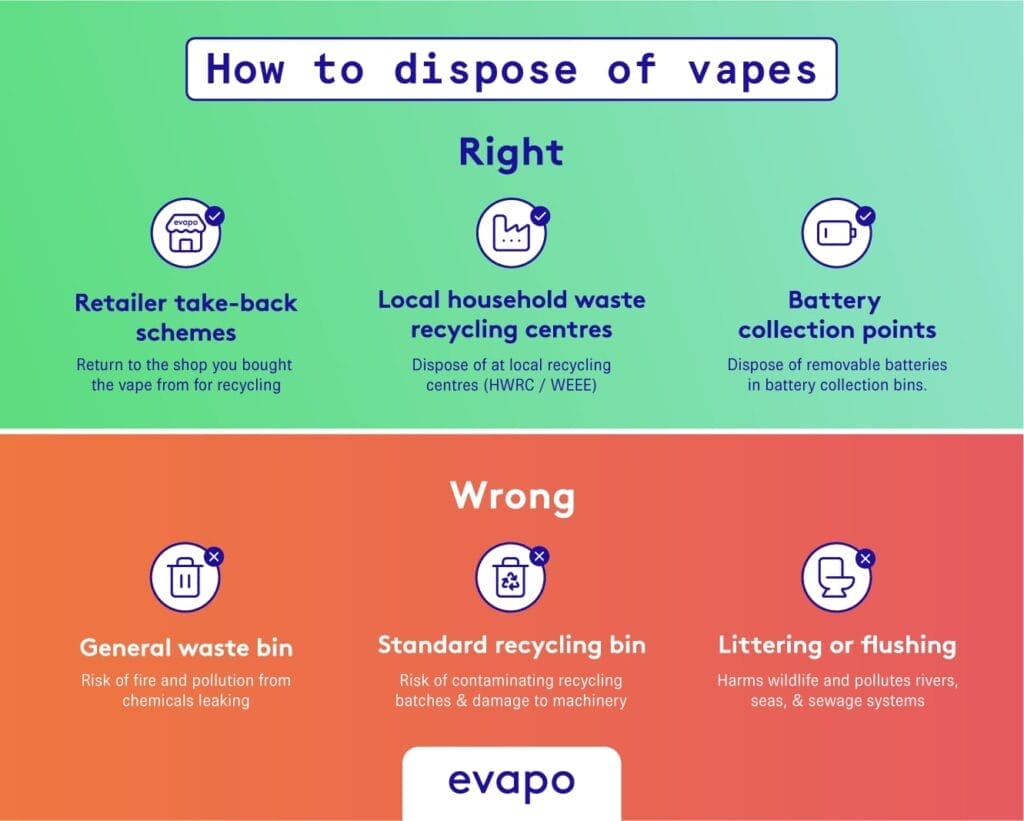
- Batteries Cannot Be Processed in Standard Bins: Lithium-ion cells present a significant fire hazard in domestic recycling trucks and sorting facilities if crushed.
- Material Separation is Impractical: Because the outer sleeves are typically ultrasonic-welded or press-fitted with permanent adhesive, disassembling the metal shell from the internal battery and saturated polymer reservoir requires specialised manual processing.
- Contamination Risks: Residual liquid left inside the internal wicking chamber prevents the outer casing from being treated as clean scrap metal or clean recyclable polymer.
Consequently, selecting an aluminium chassis over a plastic one does not make a single-use device environmentally friendly. Both options contribute to the growing challenge of consumer electronic waste unless directed through dedicated hazardous battery drop-off channels.
Australian Standards and Regulatory Context in 2026
When evaluating hardware quality within Australia, local legislative frameworks play a decisive role that supersedes external retail trends. Australia operates under a strictly regulated, prescription and pharmacy-access model overseen by the Therapeutic Goods Administration (TGA).
Under contemporary Australian legislation:
- Non-therapeutic, single-use disposable vapes are subject to rigorous commercial import bans designed to curb youth uptake and reduce environmental e-waste.
- Therapeutic vaping goods supplied through Australian community pharmacies to assist with smoking cessation must adhere to strict product standards, including TGO 110 (Therapeutic Goods Order 110).
- Plain packaging, standardised hardware requirements, and strict labelling mandates apply, meaning that flashy anodised aluminium coatings and bright novelty plastics are not permitted in legitimate therapeutic supply chains.
For adult consumers navigating smoking cessation under medical supervision, hardware reliability is governed by therapeutic compliance rather than retail aesthetics. Pharmaceutical-grade products are assessed on electrical safety, child-resistant closures, and ingredient purity, making the distinction between an off-the-shelf aluminium vape shell and a standard plastic case secondary to certified product safety.
Final Verdict: Does Body Material Actually Matter?
When deciding whether body material matters in a disposable vape, the answer depends entirely on which performance criteria you prioritise.
If your primary focus is ergonomics, drop protection, and a solid feel, an aluminium or metal alloy chassis provides clear mechanical benefits. It resists structural bending, protects internal batteries against blunt impacts, and dissipates ambient warmth efficiently.
If your primary focus is weight, stealth, and convenience, a well-engineered polycarbonate or ABS plastic body delivers reliable durability at a fraction of the carry weight, often with the added benefit of a clear window to monitor remaining fluid.
However, if your concern is vapour quality, taste consistency, or overall safety, the external body material is largely irrelevant. Those factors are dictated entirely by the engineering of the internal coil, the quality of the food-contact reservoir materials, and adherence to strict regulatory manufacturing standards. Rather than judging a device purely by its metallic sheen or lightweight plastic exterior, evaluating overall engineering integrity and compliance is what truly matters.