Why Is My Disposable Vape Not Working? Common Problems Explained (2026 Guide)

Why Is My Disposable Vape Not Working? Common Problems Explained (2026 Guide)
There is nothing more frustrating than reaching for your device expecting a smooth draw, only to be met with complete silence, an irritating blinking light, or a mouthful of burnt air. Whether you have just pulled a fresh unit straight from its packet or your daily device has suddenly cut out, asking yourself why is my vape not working is an incredibly common dilemma. When you find your disposable vape not working as expected, the issue usually boils down to a handful of predictable mechanical, electrical, or airflow snags. If your vape not hitting has left you stranded, or your disposable vape stopped working halfway through its lifespan, understanding how these compact, all-in-one systems operate will help you quickly diagnose the fault and get back on track.

A disposable vape incorrectly placed in a household rubbish bin, possibly with a do not dispose or fire hazard warning overlay, emphasizing improper disposal.
Modern disposable devices are designed for simplicity, containing an internal battery, a pre-filled reservoir of e-liquid, an atomiser coil, and a pneumatic airflow sensor inside a sealed chassis. Because they lack traditional maintenance access, troubleshooting requires a methodical approach. Below, we break down every common problem, explain the science behind why failures happen, and provide straightforward fixes to get your device functioning again.
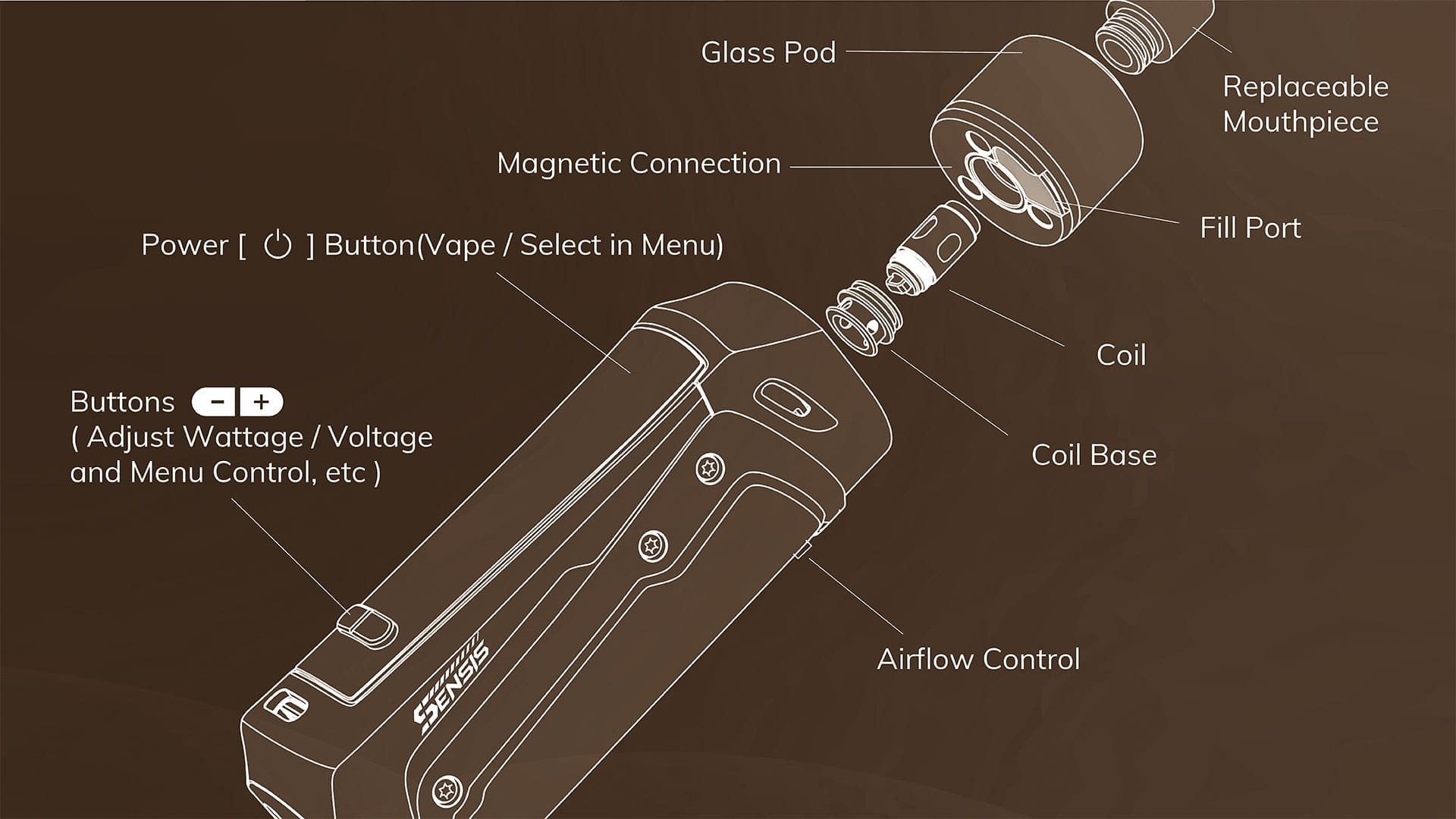
A cross-section diagram showing the internal components of a disposable vape, including the battery, e-liquid reservoir, coil, and sensor.
1. Check the Basics: Brand-New Disposable Vape Not Working Out of the Box
If you have just opened a fresh device and cannot get a single puff out of it, do not panic. In most cases, the unit is not actually broken; rather, protective transit safeguards have not been completely cleared.
Protective Silicone Plugs and Airflow Stickers
Manufacturers package disposable devices with airtight seals to prevent fluid leaks, preserve flavour, and stop the battery from accidentally firing during international transit and storage.
- Mouthpiece bungs: Most disposables feature a small silicone stopper pushed directly into the chimney of the mouthpiece. If this remains inserted, no air or vapour can pass through.
- Base stickers: The underside of the chassis almost always has a transparent or brightly coloured plastic film covering the airflow intake slots and the base indicator light. If the intake holes are covered, the draw sensor cannot detect suction, meaning the heating element will never engage.
A close-up image of the base of a disposable vape, clearly showing a transparent or colored plastic sticker covering the airflow intake slots.
Always inspect both ends of the casing, peel away all plastic films, and remove every silicone plug before attempting your first inhale.
Forgotten Base Switches and Locks
While most disposables are purely draw-activated, an increasing number of contemporary units feature child-safety locks, adjustable airflow switches, or manual power toggles on the base. If the airflow valve is dialed completely shut, you will not be able to draw air through the device. Check the bottom perimeter to ensure the airflow slider is set to an open position.
2. Battery and Power Faults: Why Your Disposable Vape Stopped Working
The electrical circuit inside a disposable device is remarkably compact. A miniature lithium-ion battery connects directly to the coil through a pressure-activated switch. When this electrical pathway is interrupted or the battery runs out of juice, your device will simply cease firing.
Airflow Intake → Pneumatic Sensor → Circuit Board → Lithium Battery → Coil / Wick
Deciphering the Blinking LED Indicator
Most disposables house a tiny LED light at the base or along the side to communicate hardware status:

A close-up of a disposable vape with its LED indicator light blinking, signaling a hardware status or battery issue.
- Blinking three to ten times during an inhale: This universally signals that the battery voltage has dropped below the operating threshold. The battery is depleted and can no longer power the heating coil.
- Solid light that stays on without producing vapour: This often indicates an internal short circuit or a sensor stuck in the active position.
- Rapid flickering immediately upon drawing: The device may be hitting its automatic safety cutoff (usually set between 8 to 10 seconds) to prevent the coil from overheating.
Rechargeable Disposables: Port Issues and Safe Power Delivery
Many larger-capacity disposables now feature integrated USB-C charging ports so you can vaporise every drop of e-liquid before discarding the unit. If your rechargeable disposable vape stopped working after plugging it in, consider these power factors:
- Debris in the charging port: Pocket lint and dust easily pack into USB-C ports, preventing the charging pins from making a clean connection. Gently clear the port using a dry wooden toothpick.
- Charging source voltage: Always connect your device to a standard 5V wall adapter or a computer USB port. Avoid using high-wattage fast chargers designed for laptops or modern smartphones, as excessive current can overwhelm the basic charging board inside a disposable unit, tripping its internal thermal fuse.
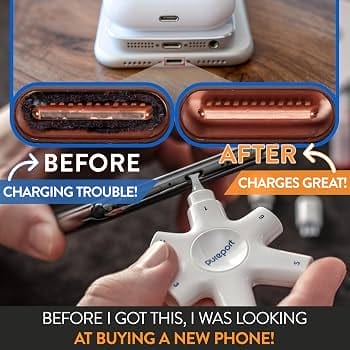
A close-up image showing a USB-C charging port on a disposable vape, filled with pocket lint or dust, preventing a proper connection.
3. Airflow and Sensor Glitches: What to Do When Your Vape Not Hitting Properly
If the battery is charged and the packaging is gone, but you still get no vapour when drawing, the issue almost certainly lies in the airflow channel or the pneumatic sensor.
Air Bubble Traps and Thickened E-Liquid
The internal reservoir uses an absorbent synthetic cotton wick or porous ceramic structure to feed liquid directly to the heating wire. If an air bubble forms around the intake ports of the coil, the liquid cannot reach the element.
Furthermore, cold weather causes vegetable glycerin (VG) in the e-liquid to thicken significantly, slowing down the wicking process. If your device has been left in a cold car or outdoors during an Australian winter night, warm the chassis between your hands for a couple of minutes to lower the liquid's viscosity before taking a slow, steady puff.
Clearing Airway Condensation
Over time, vaporised liquid that is not fully cleared from the chimney cools down and turns back into liquid droplets. This condensation can gather in the narrow airway tube, leading to gurgling sounds, spitting, or a physical blockage that prevents the draw switch from detecting your inhale.
To clear this:
- Wrap a piece of paper towel around the base of the mouthpiece.
- Hold the device firmly and give it a couple of swift, downward flicks (similar to resetting an old mercury thermometer) to force excess moisture out of the central chimney onto the tissue.
- Clean the inside of the mouthpiece tip using a rolled-up corner of a paper towel.
Sensor Sensitivity and Finger Placement
Draw-activated sensors rely on a pressure differential created when you suck air through the casing. If you draw too gently, the sensor may not trigger the circuit. Conversely, pay close attention to how you hold the device; it is remarkably easy to accidentally cover the tiny air intake pinholes at the base with your fingers or palm while holding the pen, cutting off all airflow and preventing the sensor from engaging.
Troubleshooting Summary: Common Symptoms, Causes, and Solutions
Use this quick-reference guide to pinpoint the exact failure mode of your device and apply the right remedy:
| Symptom | Primary Cause | Immediate Practical Solution |
|---|---|---|
| LED blinks repeatedly; no vapour | Depleted battery voltage | Recharge via standard 5V USB-C port, or safely recycle if non-rechargeable. |
| No light, no vapour, tight draw | Packaging seals or closed airflow slider | Remove base stickers, pull mouthpiece plug, and open the airflow valve. |
| Gurgling sound and liquid spitback | Flooded chimney or condensed vapour | Flick device downward into a tissue and clear the inner chimney with a paper towel. |
| Harsh, acrid, burnt taste on draw | Dry wick or empty liquid reservoir | Rest device upright for 5 minutes; if e-liquid is exhausted, retire the unit. |
| Device continues firing after puff | Auto-draw sensor stuck or moisture-logged | Tap base gently against a flat surface or take a sharp puff to release the diaphragm. |
| Device gets warm but yields no vapour | Disconnected or burnt-out coil wire | Internal hardware failure; unit must be replaced. |
4. Diagnosing Hardware Failures: Why Is My Vape Not Working at All?
Sometimes, despite checking every seal and verifying battery power, a device simply refuses to operate. In these circumstances, you are likely dealing with an internal physical defect.
Dry Hits and Burnt Coils
A dry hit occurs when the heating wire glows red-hot against dry wicking material. If you take rapid, consecutive puffs without pausing—known as chain vaping—the wick cannot draw up replacement fluid fast enough to match the rate of vaporisation. Once the cotton wicking burns, the acrid, charred taste is permanent because the burnt fibres can no longer absorb liquid properly. Always allow 15 to 30 seconds between draws to let the coil re-saturate.
Dead on Arrival (DOA) Units and Quality Control
Mass-manufactured electronics inevitably carry a baseline defect rate. Internal solder joints can snap if a box is dropped during shipping, separating the battery lead from the switch. Similarly, a microscopic tear in the sensor diaphragm will stop the unit from sensing air pressure altogether. If a brand-new device fails all basic checks immediately out of the box, do not attempt to pry open the chassis. Doing so poses a battery puncture hazard. Instead, keep the packaging and return it to your place of purchase for an exchange.
5. Responsible Disposal: What to Do When a Disposable Device Dies
When your disposable device has reached the end of its usable life—either because the pre-filled e-liquid has run dry or the internal lithium cell will no longer hold a charge—it must be discarded responsibly.
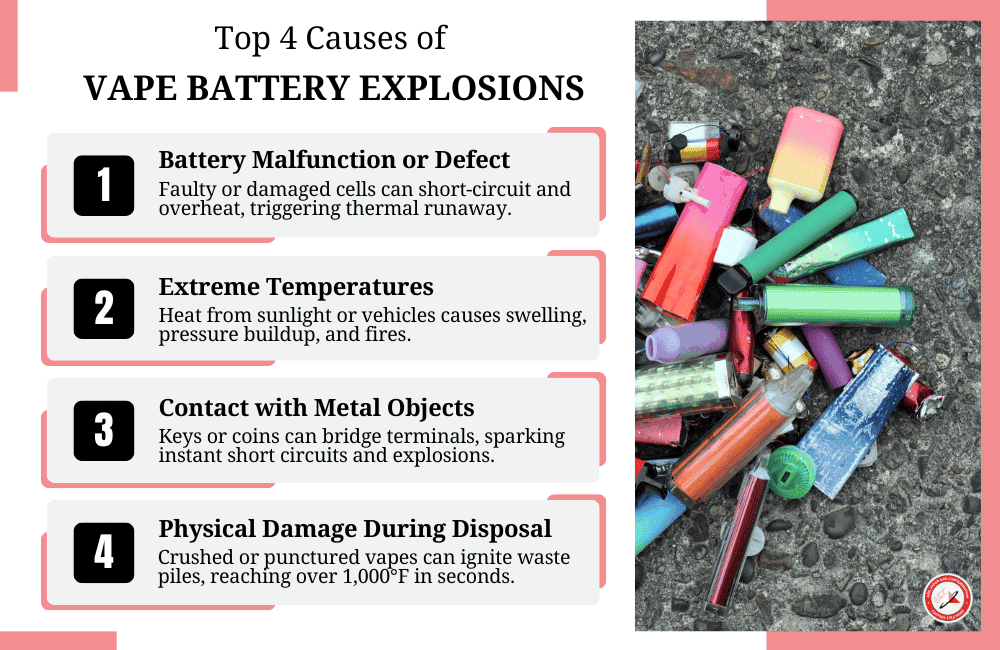
Disposable vapes should never be placed into standard household kerbside rubbish or recycling bins. The integrated lithium-ion batteries present a severe fire hazard inside waste collection trucks and sorting facilities if crushed or punctured.
A close-up image showing a USB-C charging port on a disposable vape, filled with pocket lint or dust, preventing a proper connection.
How to Recycle Safely in Australia
To protect the environment and recover valuable raw materials like aluminium, copper, and lithium:
- Drop-off schemes: Take spent devices to designated battery recycling stations, electronic waste collection points, or specialised community drop-off depots (such as local council e-waste centres or participating retail drop-boxes across the B-cycle network where accepted).
- Storage safety: If storing multiple depleted devices at home before taking them to a collection point, keep them in a cool, dry place inside a non-conductive container (such as a sturdy plastic tub), away from direct sunlight and flammable materials.
Summary and Practical Checklist
Running into a malfunctioning disposable device can be frustrating, but solving the puzzle of a disposable vape not working usually takes only a minute of your time. Start by checking for unremoved packaging bungs, inspect the intake holes to ensure they are unobstructed, clear any liquid condensation from the airway, and confirm whether your model requires a recharge. If the coil is completely burnt or the internal electronics have suffered a terminal fault, the safest and most practical course of action is to drop the unit off at an authorised e-waste collection centre and replace it with a fresh, compliant device.