How Long Does a Disposable Vape Last? Puffs, Usage and Daily Habits Explained

How Long Does a Disposable Vape Last? Puffs, Usage and Daily Habits Explained
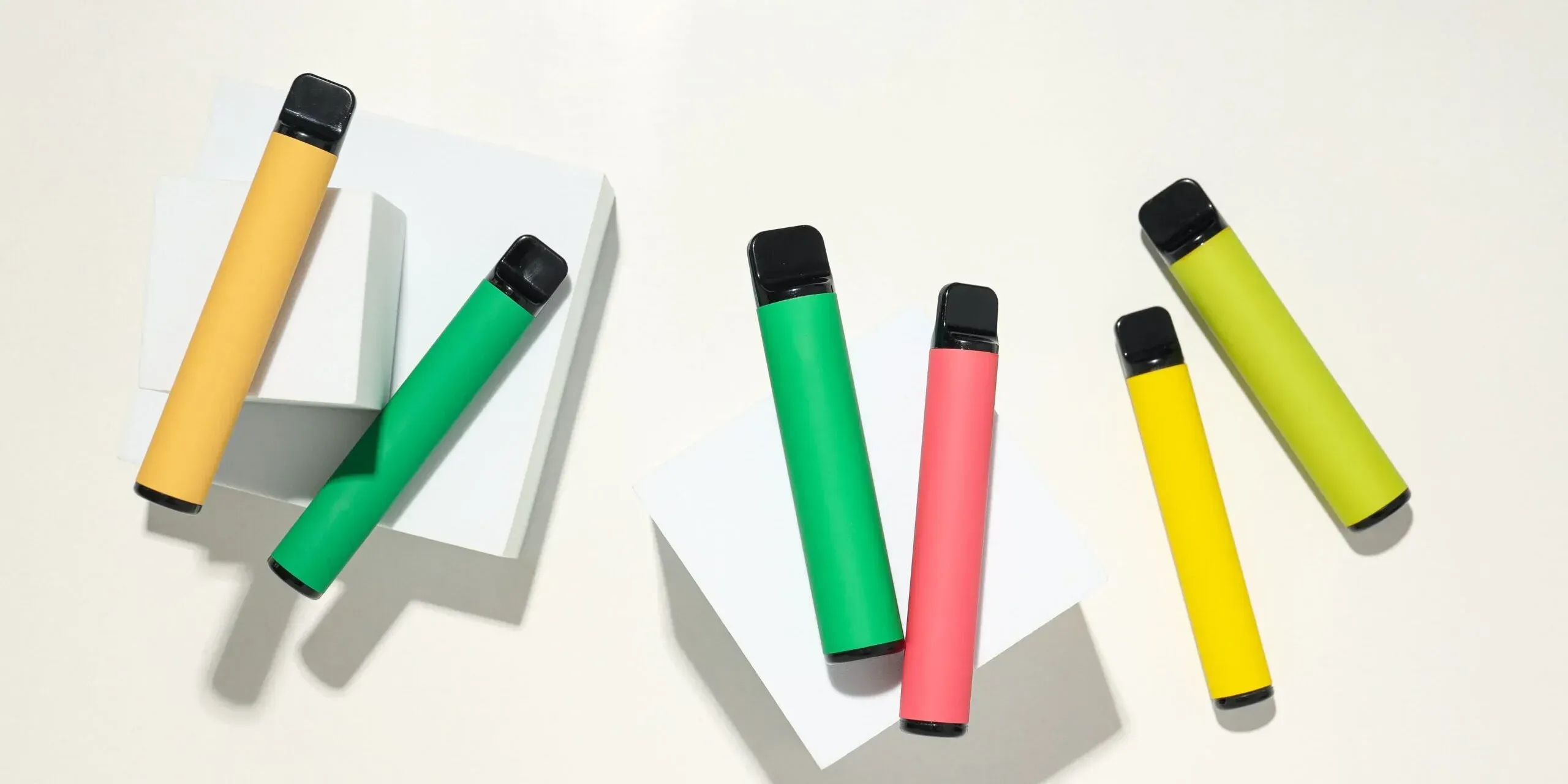
Image illustrating the lifespan of a disposable vape with concepts of puffs, usage, and daily habits
When choosing or using an all-in-one device, the central question most people ask is: how long does a disposable vape last under everyday conditions? While packaging often boasts numbers ranging from several hundred to tens of thousands of puffs, real-world longevity rarely matches a single generic figure.
In practice, a disposable vape can last anywhere from a single weekend to several weeks. The actual lifespan depends on a combination of built-in hardware specifications—such as e-liquid volume and battery capacity—and personal vaping behaviours, including draw duration, frequency of use, and storage conditions. Understanding how these factors interact helps you gauge how long your device should genuinely hold out.
The Gap Between Advertised Puffs and Real-World Use
Graphic comparing advertised puff counts on vape packaging with actual real-world usage showing longer draws versus machine-tested short puffs
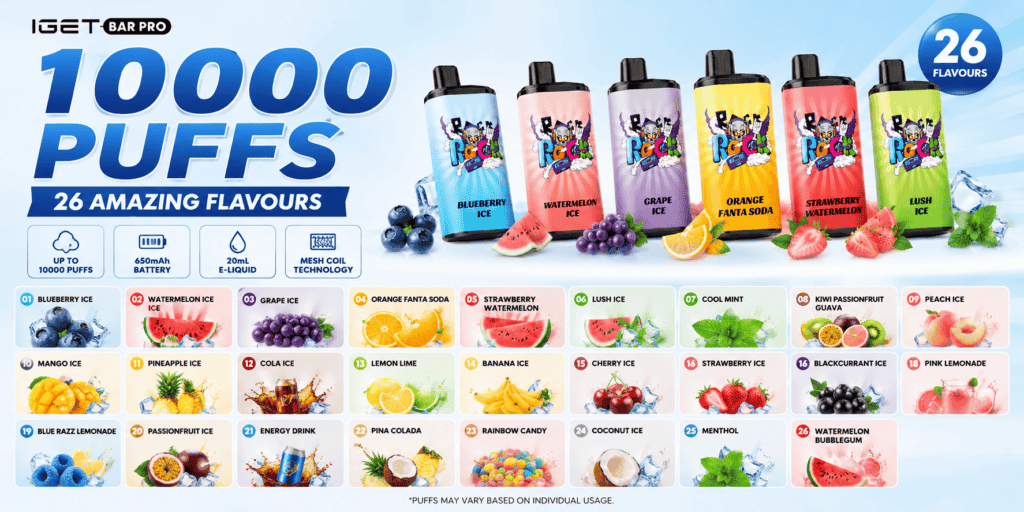
Vape packaging usually highlights a total puff count prominently on the front. However, these figures are generated through automated testing machines set to shallow, short draws (typically around one second each).
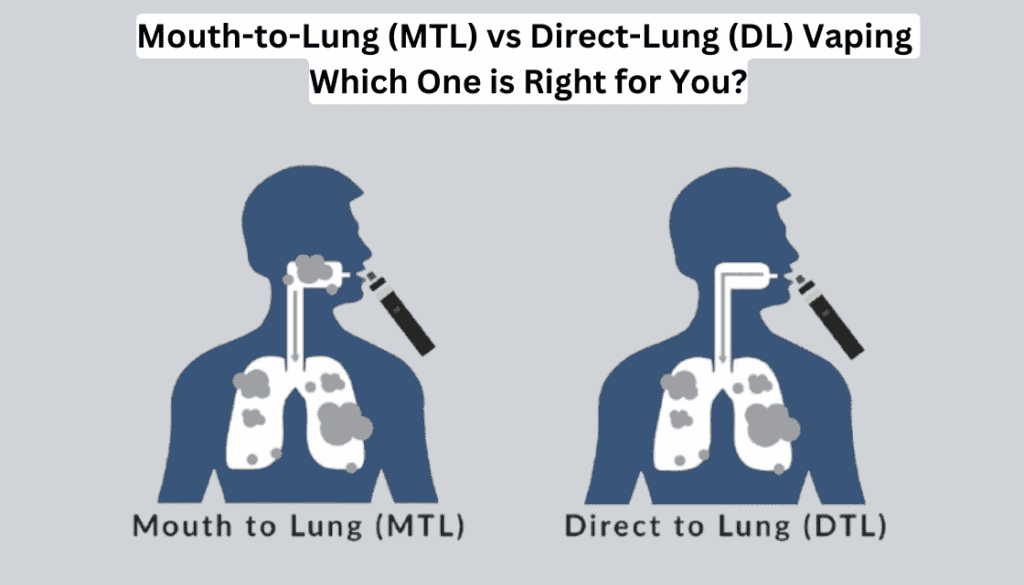
Human vaping habits are rarely so uniform. If your natural draw lasts two or three seconds, you draw significantly more vapour over the heating coil with every inhale. A single deep inhale can easily consume the same amount of e-liquid and battery power as two or three machine-tested puffs. As a result, someone taking longer, fuller draws may find their device delivers roughly half the total count printed on the box.
Rather than relying purely on advertised puff numbers, looking at the physical capacity of the device provides a far more grounded expectation of its working life:
- E-Liquid Reservoir (Millilitres): The total volume of e-liquid (mL) determines how much vaporisable liquid is physically present. Once the internal wick runs dry, the device cannot produce vapour regardless of remaining battery power.
- Battery Rating (Milliampere-hours / mAh): The battery capacity dictates how long the unit can power the heating element before dropping voltage or switching off entirely.
How Long Does a Disposable Vape Last Across Different Device Sizes?
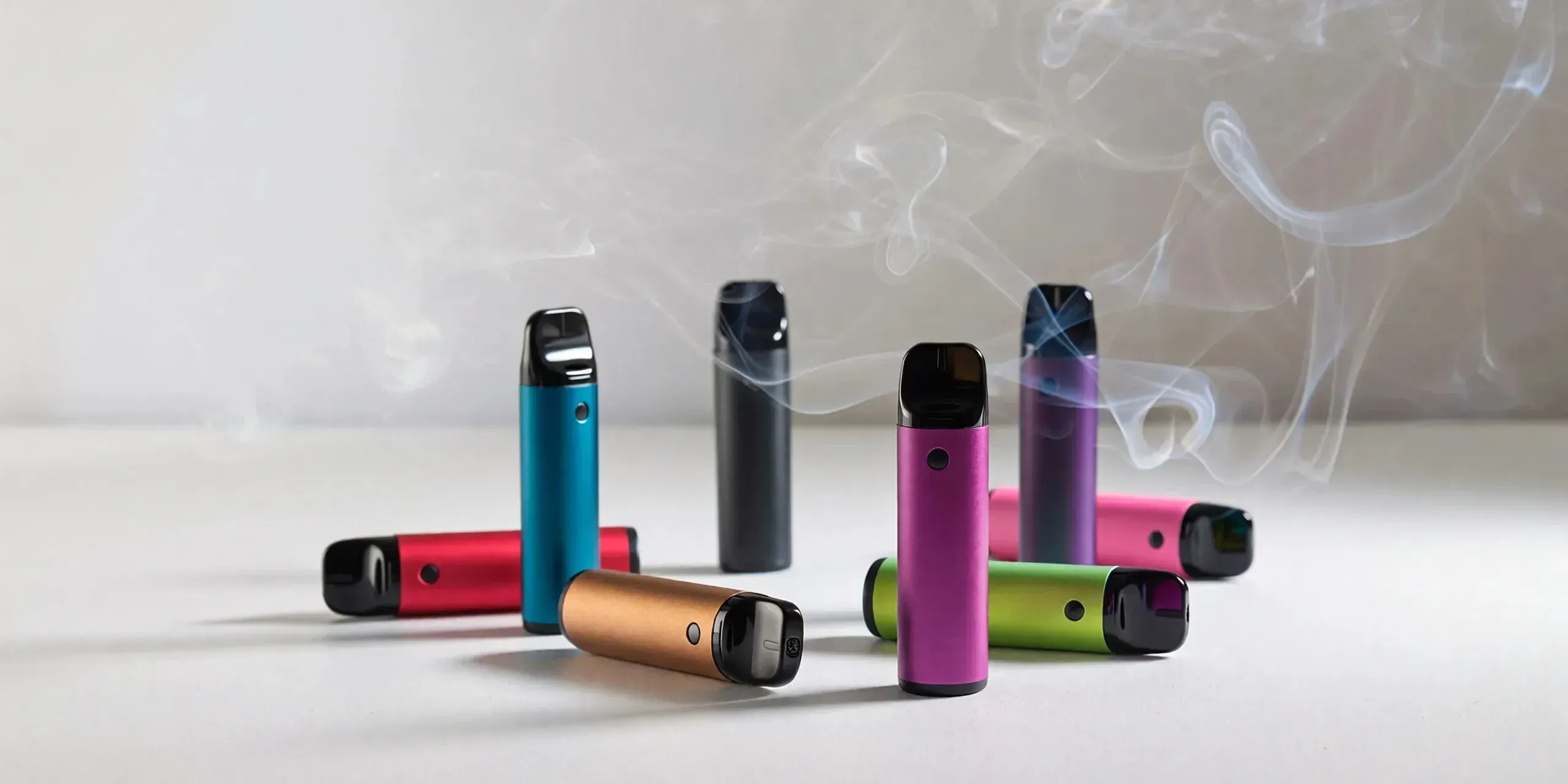
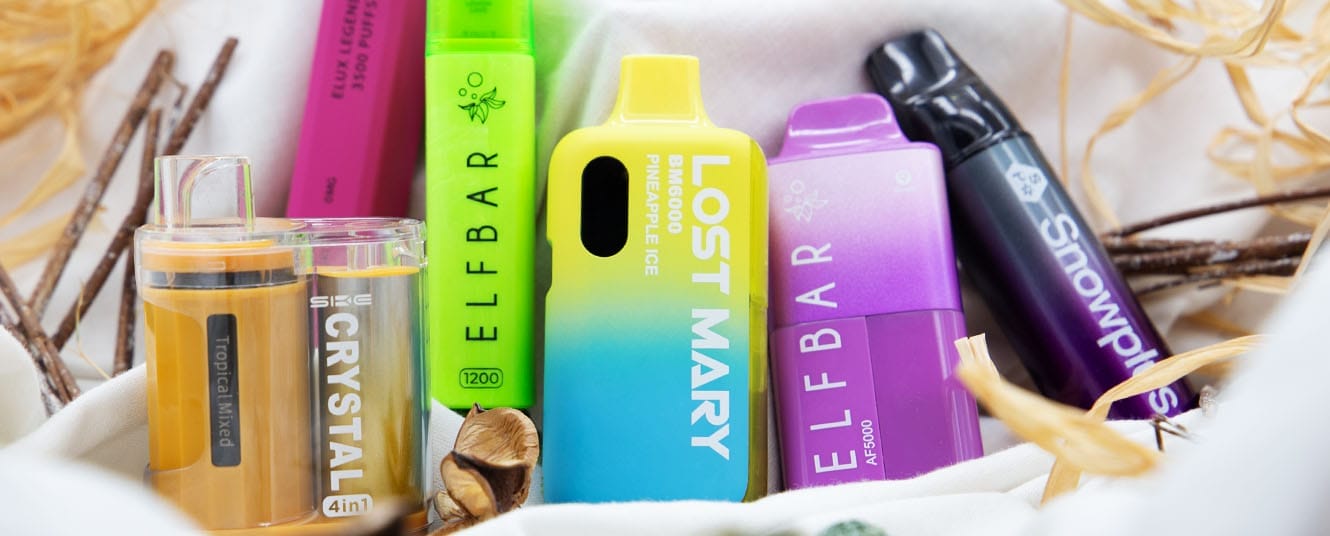
Image showing a comparison of different sizes of disposable vapes: compact, mid-capacity, and high-capacity rechargeable models
Disposable devices generally fall into three distinct design categories: compact single-use units, mid-capacity models, and high-capacity rechargeable disposables. The table below outlines how these sizes typically translate into real-world use for different types of users.
| Device Category | Average E-Liquid Capacity | Stated Puff Range | Expected Lifespan (Moderate User) | Expected Lifespan (Heavy User) |
|---|---|---|---|---|
| Compact / Slimline | 2 mL | 300 – 600 puffs | 1 to 3 days | Less than 1 to 2 days |
| Mid-Capacity | 3.5 mL – 6 mL | 800 – 2,500 puffs | 3 to 6 days | 2 to 4 days |
| High-Capacity (Rechargeable) | 8 mL – 18 mL+ | 3,000 – 15,000+ puffs | 1 to 3 weeks | 5 to 10 days |
Compact Models
Compact devices are designed for portability and short-term convenience. With small reservoirs (often around 2 mL) and smaller internal batteries, they are engineered for a short operational cycle. A moderate consumer can expect a compact unit to last a couple of days, whereas a frequent user might exhaust both the battery and liquid within a single day.
Mid-Capacity Models
Mid-tier devices bridge the gap by housing larger e-liquid reservoirs paired with larger, non-rechargeable batteries. These devices are designed to last a working week for lighter users or roughly three to four days of steady, regular use.
High-Capacity Rechargeable Disposables
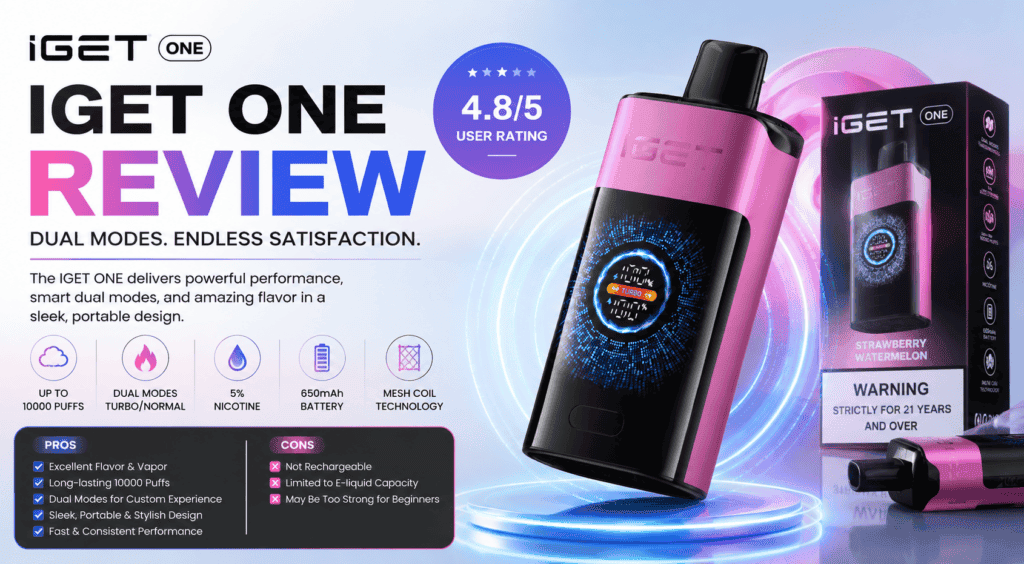
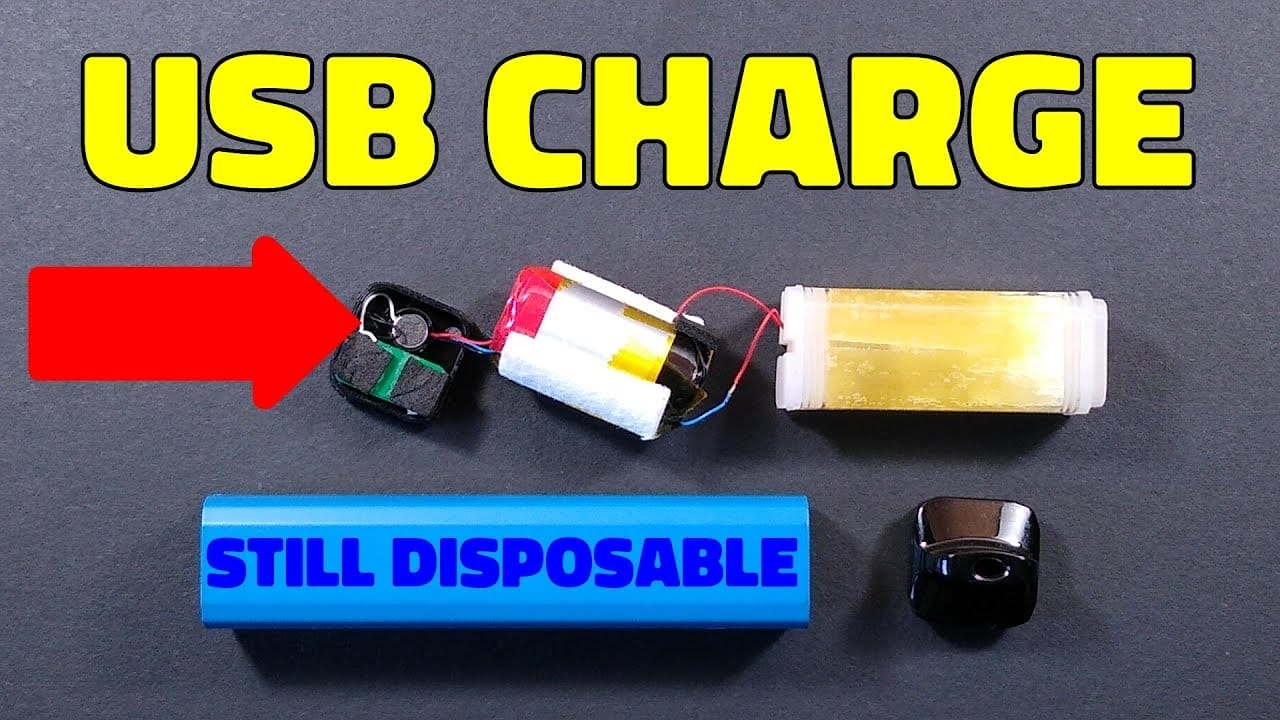
Modern high-capacity models contain substantial e-liquid reservoirs. Because a standard single-use battery cannot supply enough energy to vaporise 10 mL or more of liquid on a single charge, these units incorporate a rechargeable lithium-ion cell (typically recharged via a standard USB-C port). These devices are built to last several weeks for lighter users or up to ten days for heavy daily users, requiring periodic recharges until the internal reservoir is finally depleted.
A modern high-capacity rechargeable disposable vape with a visible USB-C charging port
How Long Does a Disposable Vape Last Based on Your Daily Inhalation Habits?
Your personal routine is the most influential variable in determining how quickly a device runs out. Users generally fall into three broad usage profiles.
- DAILY USAGE PROFILES
- LIGHT / SOCIAL → A few short draws in the evening / weekends
- Lifespan: 2 to 4+ weeks
- MODERATE → Regular short sessions throughout the day
- Lifespan: 3 to 7 days (standard device)
- HEAVY / FREQUENT → Constant all-day draws or chain vaping
- Lifespan: 1 to 3 days (compact/mid device)
Light and Social Vapers
Light users take only a handful of puffs per day, perhaps during social gatherings or briefly in the evenings. For this style of use, even a compact or mid-sized disposable can easily last two to four weeks. The primary concern for social users is not running out of e-liquid quickly, but ensuring the device is stored properly so the battery does not slowly drain while sitting idle.
Moderate Daily Vapers
Moderate users take regular, spaced-out draws throughout the day—such as during scheduled work breaks and in the evening. For this routine:
- A standard compact unit typically lasts two to three days.
- A mid-capacity device will generally cover four to six days.
- A high-capacity rechargeable device will often last two full weeks.
Frequent or Heavy Vapers
Heavy consumers draw on their vape frequently throughout the day and often practice chain vaping (taking multiple deep draws back-to-back). This style of consumption burns through e-liquid rapidly and drains battery cells quickly due to continuous heating. For heavy users, compact units may last less than 24 hours, while high-capacity rechargeable units usually require a fresh refill or replacement within five to seven days.
How Long Does a Disposable Vape Last Once Opened?
Once you remove the factory-sealed plastic packaging and pull out the silicone stoppers from the mouthpiece and airflow vents, ambient air enters the internal chamber. This starts two distinct degradation processes: e-liquid oxidisation and passive battery drain.
- FACTORY UNSEALED
- ► Air Exposure — ► E-Liquid Oxidisation — ► Flavour & Vapour Loss
- ► Passive Drain — ► Battery Discharge — ► Power Loss Over Time
- E-Liquid Freshness and Oxidisation: When exposed to atmospheric oxygen, e-liquid slowly oxidises. Over time, the flavour notes can mute, the liquid may darken, and the throat hit can become harsher. While an opened device remains functional for several weeks or even months, optimal flavour and vapour quality are best experienced within the first 15 to 30 days after unsealing.
- Passive Battery Self-Discharge: All lithium-based batteries lose a microscopic amount of charge every day, even when completely idle. If a device sits opened in a drawer for six months, the battery may deplete naturally before you have finished the liquid inside.
Key Factors That Deplete Your Disposable Vape Faster
If your disposable vapes seem to run out much faster than expected, one or more environmental or operational factors are usually at play.
1. Inhalation Depth and Chain Vaping
Taking long, forceful draws draws more liquid across the heating element with every puff. Furthermore, chain vaping—taking rapid draws without pausing—keeps the internal heating coil continuously hot. This causes the cotton wicking material to vaporise e-liquid faster than it can re-saturate, leading to accelerated liquid consumption and premature wick singeing.
2. Battery Imbalance in Non-Rechargeable Models
In non-rechargeable disposables, the lifespan is dictated by whichever runs out first: the battery charge or the e-liquid. Manufacturers attempt to calibrate the battery capacity to run out just as the reservoir empties. However, if cold weather or deep draws drain the battery prematurely, the device may stop firing while usable liquid is still trapped inside the reservoir.
3. Australian Weather and Temperature Extremes
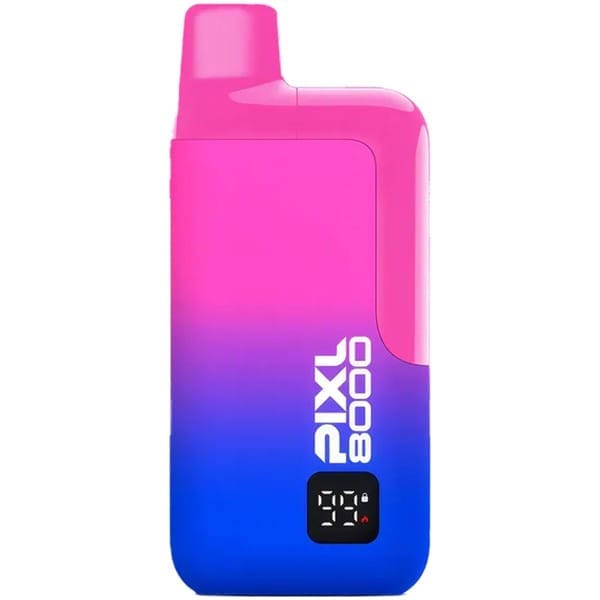
Image showing a disposable vape in extreme temperature conditions, such as inside a hot car or a cold environment, illustrating impact on performance
Environmental temperature plays a significant role in hardware performance. Exposure to the harsh Australian summer sun or leaving a vape inside a parked car can cause significant issues:
- E-Liquid Thinning: Extreme heat thins e-liquid, lowering its viscosity. This can cause excess liquid to flood the coil chamber, leading to spit-back, leaking through the base airflow holes, and rapid liquid loss.
- Battery Degradation: Lithium batteries degrade quickly when exposed to high ambient heat, drastically reducing their usable capacity.
- Severe Cold: Conversely, winter chills temporarily reduce battery efficiency, causing the voltage to drop faster during use.
Signs Your Disposable Vape Is Reaching the End of Its Life
Visual indicators of a disposable vape reaching its end of life: a blinking LED light, weak vapor output, or a burnt taste cloud
Knowing when a disposable vape is genuinely finished helps you avoid unpleasant dry hits or unnecessary replacements. Look out for these four clear indicators:
- WARNING SIGN — | WHAT IT MEANS
- Burnt / Dry Taste | E-liquid reservoir is completely empty
- Weak Vapour — | Battery voltage is dropping or liquid is near empty
- Muted Flavour — | Cotton wick is drying out
- Blinking LED — | Battery has fully discharged
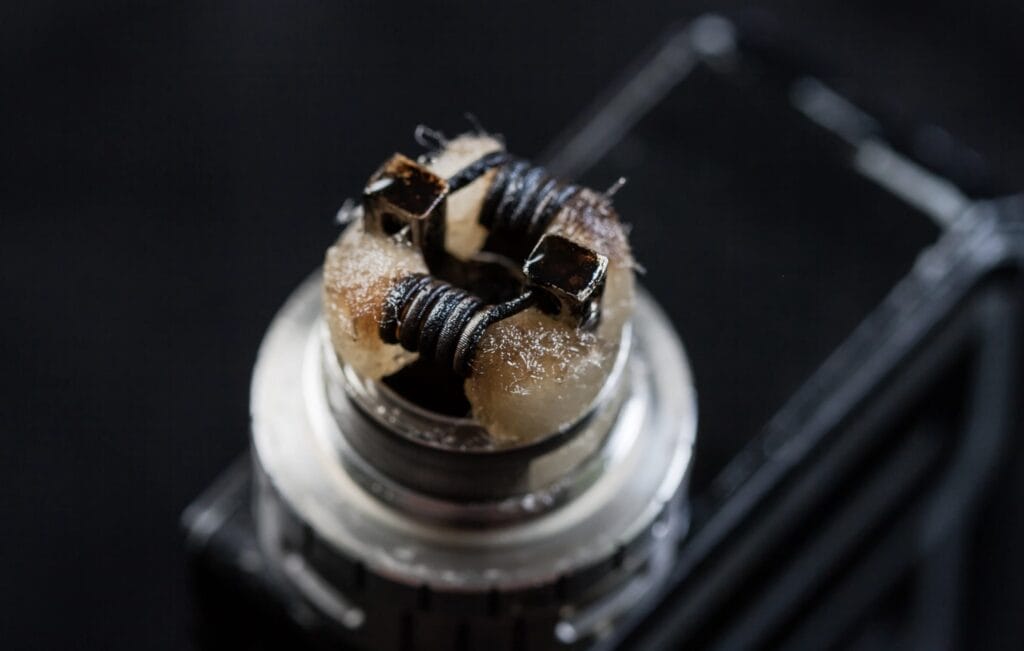
- A Persistent Burnt or Acrid Flavour: When the internal cotton wick no longer holds enough liquid to vaporise, the metal coil directly singes the dry cotton fibres. This produces a sharp, dry, and distinctly burnt taste. Once this flavour persists, the e-liquid is gone and the device should be retired immediately.
- Noticeable Drop in Vapour Output: If you notice that your inhales produce faint, thin vapour despite a full draw, either the heating element is receiving inadequate power from a fading battery or the liquid supply has dried up.
- Muted or Disappearing Flavour: As the wick reaches the bottom of the reservoir, the intensity of the flavour profile drops dramatically, often tasting like plain, dry warmth before going completely burnt.
- Blinking or Flashing Indicator LED: Most disposables feature an LED light near the base or airflow intake. When the light flashes repeatedly during an inhale, it indicates that the internal microcontroller has detected low battery voltage and cut off power to protect the cell. On non-rechargeable models, a flashing light confirms the device is finished. On rechargeable models, it indicates it is time to connect a USB-C cable.
Practical Ways to Maximise Your Device's Lifespan
A few simple adjustments to how you handle, draw from, and store your disposable vape can extend its usable lifespan considerably.
- Take Gentle, Measured Puffs: Aim for smooth, steady draws lasting one to two seconds rather than aggressive, deep pulls. This keeps liquid consumption efficient and protects the battery from unnecessary strain.
- Pause Between Inhalations: Leave at least 15 to 30 seconds between draws. This brief rest allows the internal wick to absorb fresh liquid from the reservoir, preventing dry hits and preserving the lifespan of the coil.
- Store at Room Temperature: Keep your device in a cool, dry place away from direct sunlight, enclosed vehicles, and damp environments. Room-temperature storage prevents premature battery discharge and keeps e-liquid viscosity stable.
- Keep Airflow Vents Clear: Ensure your fingers do not block the small air intake holes on the base or sides while inhaling. Obstructing the airflow forces you to pull harder, flooding the coil and wasting liquid.
- Dispose of Spent Units Responsibly: When your disposable vape has reached the end of its life, do not place it in household rubbish or kerbside recycling bins. Because they contain integrated lithium-ion batteries, spent devices must be taken to designated battery recycling points, e-waste drop-off stations, or participating pharmacy collection facilities to prevent fire hazards and ensure safe material recovery.
Summary
Ultimately, how long a disposable vape lasts comes down to device capacity, draw style, and daily frequency. A compact 2 mL model provides an easy day or two for regular users, while modern high-capacity, rechargeable units can comfortably last several weeks for moderate consumers. By taking measured draws, allowing the wick to re-saturate between puffs, and storing your device away from extreme temperatures, you can ensure you get the full performance out of every single millilitre.