What Does MTL Mean in Vaping? A Simple Guide to Mouth-to-Lung Vaping

What Does MTL Mean in Vaping? A Simple Guide to Mouth-to-Lung Vaping
Stepping into the world of vaping often feels like learning an entirely new language. Between technical acronyms, hardware specifications, and varying techniques, beginners are often left wondering where to begin. Among these terms, one acronym stands out as the most common starting point for newcomers: MTL. Understanding MTL vaping is essential for anyone seeking a familiar, straightforward, and satisfying experience.
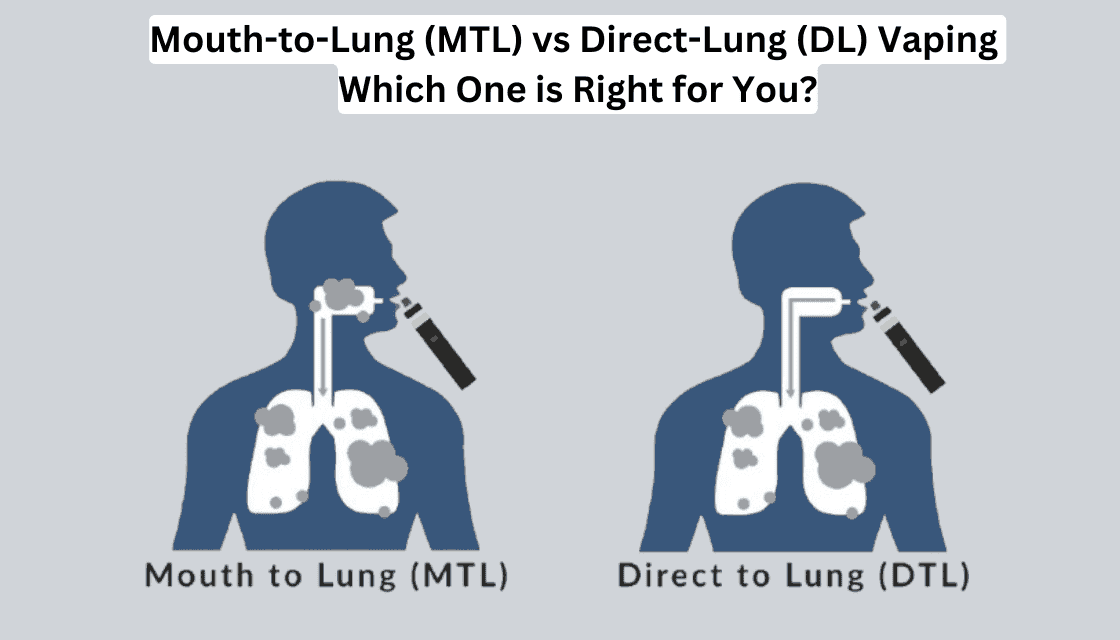
MTL stands for "Mouth-to-Lung", which describes a specific style of inhaling vapour. Rather than pulling vapour straight into your chest, this method involves drawing vapour into your mouth first, holding it briefly, and then inhaling it down into your lungs. Because this two-step inhalation closely mirrors the physical sensation of smoking a conventional cigarette, it remains the most natural entry point for adult smokers making the switch.

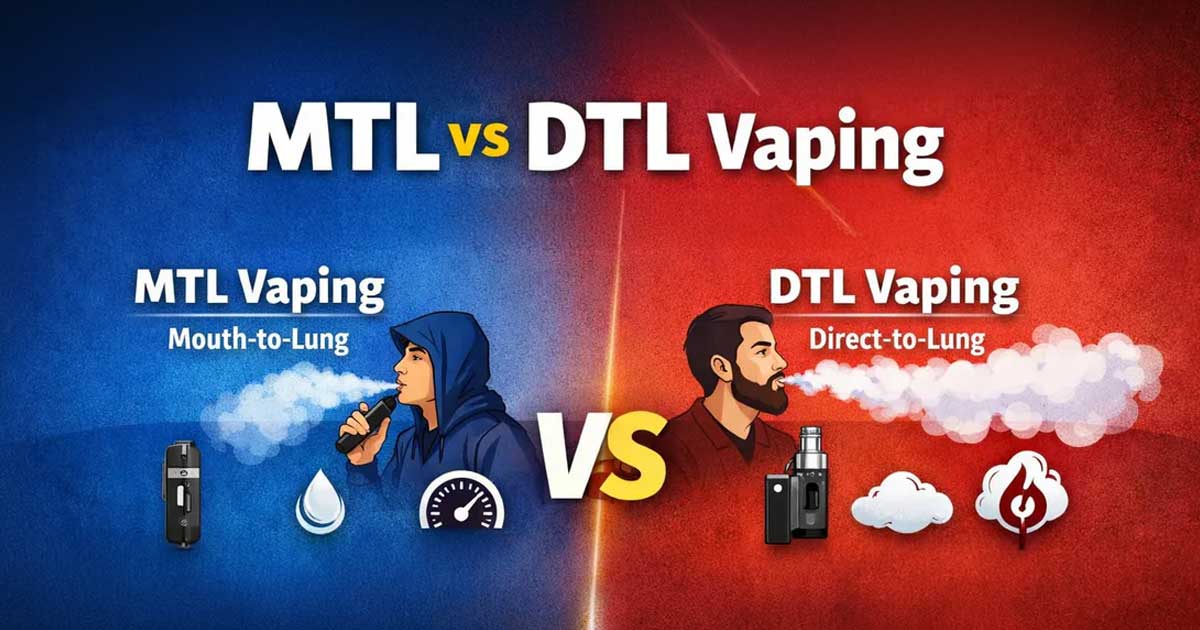
Comparison graphic contrasting Mouth-to-Lung (MTL) and Direct-to-Lung (DTL) vaping styles, showing differences in inhalation, vapor, and hardware.
This guide breaks down everything you need to know about the Mouth-to-Lung style, how the technique functions, the hardware that powers it, and how to get the most out of your setup.
What Does MTL Stand For in Vaping?
At its core, Mouth-to-Lung describes the physical journey the vapour takes before being exhaled. When using an MTL device, the process is divided into two distinct stages:
- The Oral Draw: You gently pull vapour into your mouth cavity using a tight, steady draw on the mouthpiece.
- The Lung Inhalation: You open your mouth slightly, draw a breath of fresh air alongside the collected vapour, and pull it down into your lungs before exhaling.
This two-stage motion contrasts sharply with other vaping methods, where users inhale large volumes of vapour directly into the lungs in a single deep breath.
Because the draw resistance on Mouth-to-Lung hardware is restricted and tight, it provides a distinctive sensation at the back of the throat—commonly referred to as a "throat hit". For individuals transitioning away from combustible tobacco, this tactile familiarity makes the learning curve far gentler than other styles.
How the MTL Vaping Technique Works Step-by-Step
While the process feels instinctive once you get the hang of it, new users occasionally struggle with coughing or weak vapour production if they draw too quickly. Mastering the technique requires a slower, more deliberate approach than smoking a traditional cigarette.

Person exhaling small, discreet vapor clouds, demonstrating low-profile Mouth-to-Lung vaping.
- THE MTL INHALE CYCLE
- Stage 1: Draw → Stage 2: Hold → Stage 3: Inhale
- Gently pull vapour — Hold vapour in the — Breathe vapour into
- into the mouth for — mouth for a split — the lungs along
- 2 to 3 seconds. — second. — with fresh air.
1. Take a Slow, Gentle Draw
Unlike a traditional cigarette, which burns hotter when you take short, sharp puffs, a vape device relies on steady airflow across an internal heating element. Take a smooth, consistent draw lasting between two and three seconds, letting the mouth fill with vapour naturally.
2. Pause Momentarily
Once your mouth is filled with vapour, release the activation button (or stop drawing if using an auto-draw device). Hold the vapour in your oral cavity for a fraction of a second. This allows the flavour to settle across your palate and cools the vapour slightly.
3. Inhale into the Lungs
Open your mouth slightly and inhale the gathered vapour smoothly into your lungs, drawing in ambient air at the same time. This secondary draw delivers the nicotine and provides the satisfying chest sensation switchers look for.
4. Exhale Smoothly
Exhale the vapour at a comfortable pace. Because Mouth-to-Lung devices produce a modest amount of vapour, the exhale is discreet and dissipates quickly into the surrounding air.
Understanding the Differences: MTL vs DTL Vaping Styles
To fully appreciate Mouth-to-Lung, it helps to understand its counterpart: Direct-to-Lung (DTL) vaping. While MTL focuses on tight airflow, discreet vapour, and a noticeable throat sensation, DTL is designed for maximum cloud production and a loose, unrestricted inhale.
The table below outlines how these two primary styles compare across key operational factors.
Bottles of e-liquid clearly labeled with 50% PG / 50% VG ratio, suitable for MTL vaping.
| Feature | Mouth-to-Lung (MTL) | Direct-to-Lung (DTL) |
|---|---|---|
| Inhalation Style | Two-stage: Mouth first, then lungs | Single-stage: Straight into lungs |
| Draw Resistance | Tight and restricted (similar to a straw) | Wide open and airy |
| Vapour Production | Discreet, minimal cloud volume | Substantial, dense cloud volume |
| Operating Power | Low wattage (typically under 20W) | High wattage (often 40W to 80W+) |
| Coil Resistance | Higher resistance (commonly 0.8Ω to 1.8Ω) | Lower resistance (below 0.5Ω) |
| Ideal E-Liquid Ratio | 50% PG / 50% VG or high-PG blends | High-VG blends (e.g., 70% VG / 30% PG) |
| Throat Hit | Pronounced and defined | Very smooth and mild |
Choosing the Right Hardware for Mouth-to-Lung Setups
To achieve a true Mouth-to-Lung draw, you need hardware tailored specifically for low-power, high-resistance operation. Using an MTL technique on high-powered cloud hardware leads to harsh, unpleasant hits, while trying to breathe directly into your lungs on an MTL device will feel like drinking through a pinched straw.
- MTL HARDWARE ESSENTIALS
- Narrow Drip Tip — Tight Airflow Control — Higher Ohm Coil
- Concentrates vapour — Restricts airflow intake — Heats efficiently
- for a focused draw. — for a firmer pull. — at low wattages.
1. Refillable Pod Kits
Compact pod systems represent the most popular choice for Mouth-to-Lung users today. These pocket-friendly devices use small plastic pods containing an integrated coil. They are exceptionally easy to maintain, often feature draw-activation (meaning you simply inhale to vape), and are tuned out of the box for restricted airflow.
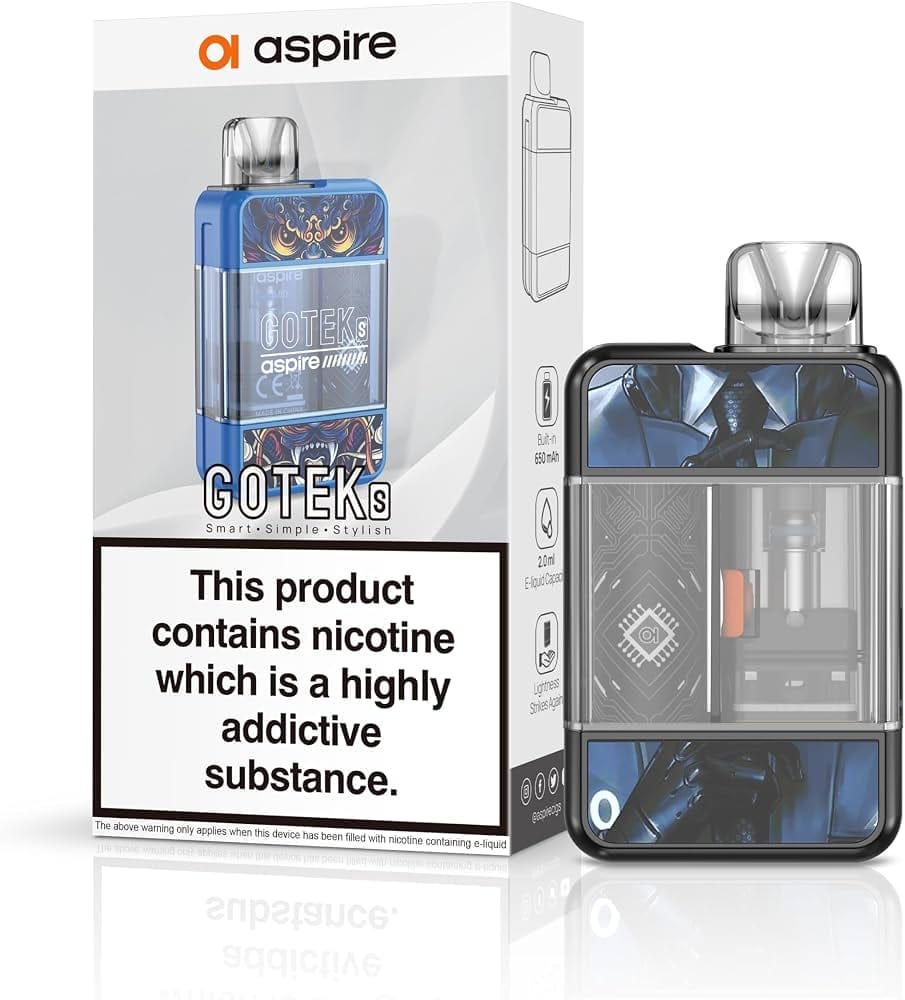
Close-up image of a compact refillable vape pod kit, an example of Mouth-to-Lung hardware.
2. Starter Vape Pens
Vape pens feature a cylindrical battery base paired with a dedicated clearomiser or tank. They often provide slightly larger battery capacities than ultra-compact pod kits and include adjustable airflow rings, allowing you to fine-tune exactly how tight or loose your draw feels.
3. Coil Resistance and Power Output
Coils used for Mouth-to-Lung setups feature higher electrical resistance—generally rated at 0.8 ohms (Ω) and above, frequently sitting between 1.0Ω and 1.8Ω.
Because higher-resistance coils have thinner wire and smaller surface areas, they require very little power to reach their optimal operating temperature. Most MTL devices operate comfortably between 8 and 18 watts. This low power demand ensures that the vapour remains pleasantly warm rather than uncomfortably hot.
4. Narrow Mouthpieces (Drip Tips)
The physical mouthpiece—often called a drip tip—on an MTL tank or pod is noticeably narrower than those found on high-power devices. This narrow bore restricts air passage, concentrating both flavour and vapour as it enters your mouth.
Matching E-Liquids to Your Setup
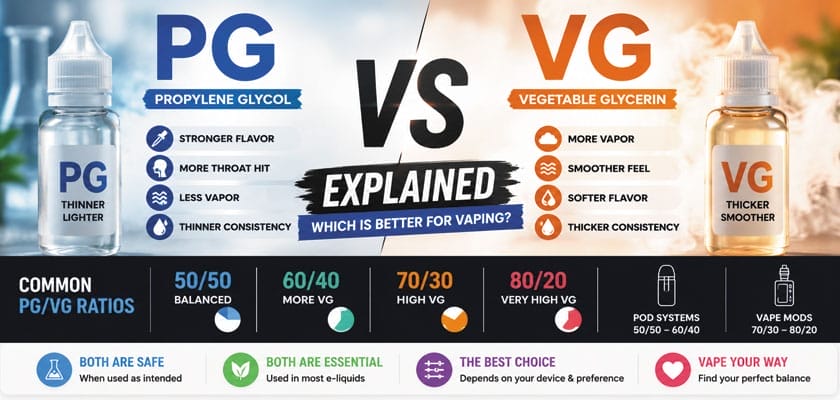
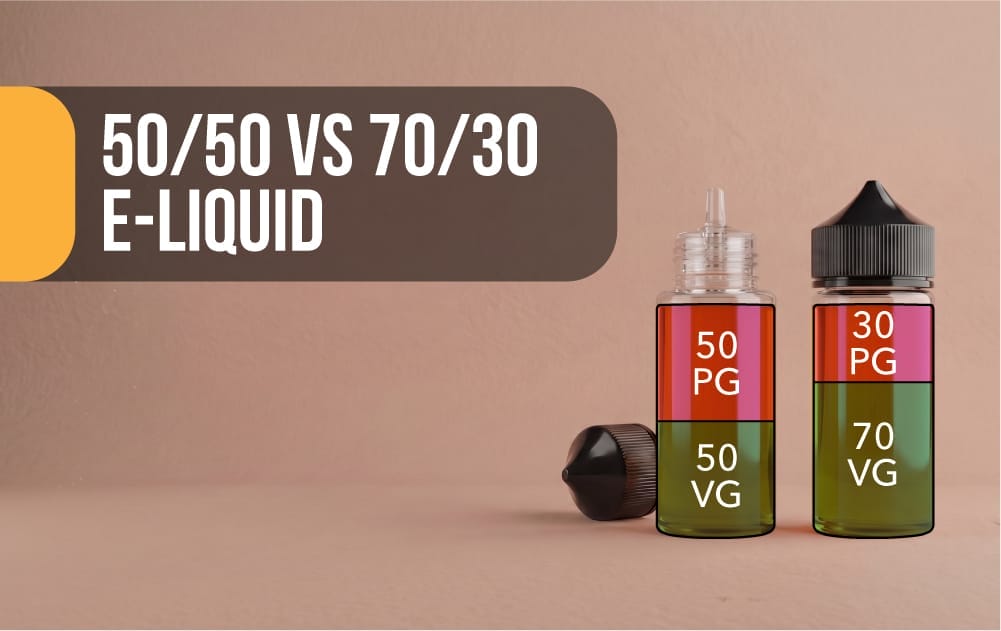
Choosing the correct e-liquid formulation is just as crucial as selecting the right hardware. E-liquids are primarily composed of two base ingredients: Propylene Glycol (PG) and Vegetable Glycerine (VG).
- E-LIQUID BASE BALANCE
- 50% Propylene Glycol (PG) — + — 50% Vegetable Glycerine (VG)
-
- Carries intense flavour — – Produces smooth vapour
-
- Provides clear throat sensation — – Balances liquid viscosity
Understanding PG/VG Ratios
- Propylene Glycol (PG): A thin, flavourless liquid that carries flavour compounds effectively and delivers the characteristic throat sensation that mimics traditional smoking.
- Vegetable Glycerine (VG): A thicker, slightly sweet liquid responsible for generating visible vapour clouds.
For Mouth-to-Lung devices, balanced formulations—specifically 50% PG / 50% VG—are ideal. Because MTL coils have small e-liquid intake ports, thin e-liquids wick rapidly into the cotton wick, preventing dry, burnt hits.
Bottles of e-liquid clearly labeled with 50% PG / 50% VG ratio, suitable for MTL vaping.
Thicker e-liquids with high VG concentrations (such as 70% VG or higher) struggle to saturate small MTL coils properly, leading to premature coil burnout.
Nicotine Types and Formulations
Because Mouth-to-Lung hardware generates a smaller overall volume of vapour per puff, it accommodates slightly higher nicotine concentrations without feeling overwhelming:
- Nicotine Salts: Formulated using an organic acid that neutralises harshness, nicotine salts deliver rapid absorption and a smooth inhale, even at moderate-to-higher concentrations. They are particularly well-suited for compact pod systems.
- Freebase Nicotine: The traditional form of nicotine used in e-liquids. It delivers a punchier, more pronounced throat hit, which many long-time switchers prefer for its physical authenticity.
Key Benefits of Adopting an MTL Vaping Style
Mouth-to-Lung remains the standard method for a significant proportion of the global vaping community. The enduring popularity of this style comes down to several practical advantages:
- WHY CHOOSE MTL?
- Familiarity — Efficiency — Discretion
- Mirrors the draw — Low liquid and — Small, subtle clouds
- and throat hit of — battery use keeps — for polite, low-key
- smoking. — running costs down. — daily use.
1. Familiar and Intuitive
For those transitioning away from smoking, the physical ritual matters. The tight draw, two-step inhalation, and throat sensation provide a natural replacement for the sensory habits built over years of smoking.
2. High Battery and Liquid Efficiency
Because MTL setups run at low wattages (under 20 watts), they place minimal strain on internal batteries. A compact device with a modest battery capacity can comfortably last an entire day on a single charge. Furthermore, because you are not generating massive clouds, a standard bottle of e-liquid lasts significantly longer than it would in a high-powered sub-ohm tank.
3. Discreet and Low-Profile
Not every vaper wants to produce room-filling clouds of vapour. MTL setups produce subtle, low-density vapour that clears quickly, making them convenient for low-profile use on the go.
Infographic detailing the three stages of mouth-to-lung vaping: draw, hold, and inhale, with durations.
4. Pure, Concentrated Flavour
The restricted airflow and narrower chimney of an MTL tank compress the vapour, delivering clear and well-defined flavour notes across your taste buds during the initial oral stage of the draw.
Final Thoughts on Getting Started
Understanding the principles behind Mouth-to-Lung vaping demystifies the entire category. By pairing a simple, low-wattage pod or pen device with a balanced 50/50 e-liquid and taking steady, gentle draws, you can enjoy a consistent, flavourful, and intuitive vape.
Whether you are completely new to smoke-free alternatives or simply looking for a reliable, travel-friendly setup that requires minimal fuss, Mouth-to-Lung hardware offers an accessible, satisfying balance of performance and convenience. Take your time to adjust the airflow to your personal preference, find a flavour profile that suits your taste, and enjoy a smooth transition.