What Is Throat Hit in Vaping and Why Does It Feel Different Between Vapes?

What Is Throat Hit in Vaping and Why Does It Feel Different Between Vapes?
For anyone transitioning from smoking or exploring different e-cigarette setups, the sensation felt upon inhaling vapour is often the deciding factor in whether a device feels satisfying. This distinct physical reaction at the back of the pharynx is widely known as a vape throat hit. To some, an ideal vape delivers a punchy, tactile kick that closely replicates traditional combustible cigarettes, while others seek an ultra-velvety, smooth throat hit that causes virtually no friction on the inhale.
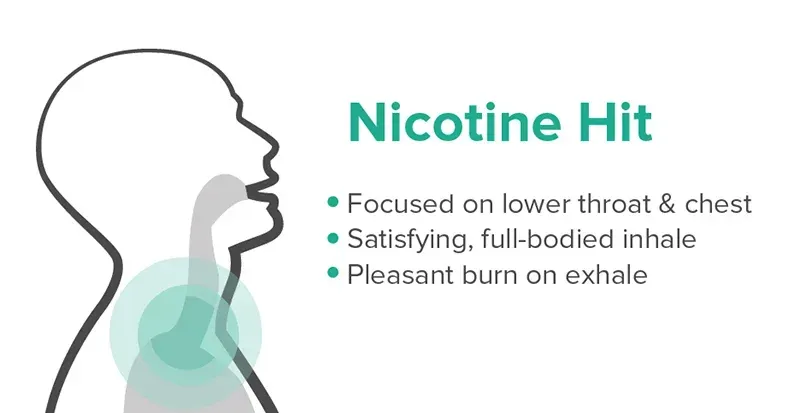
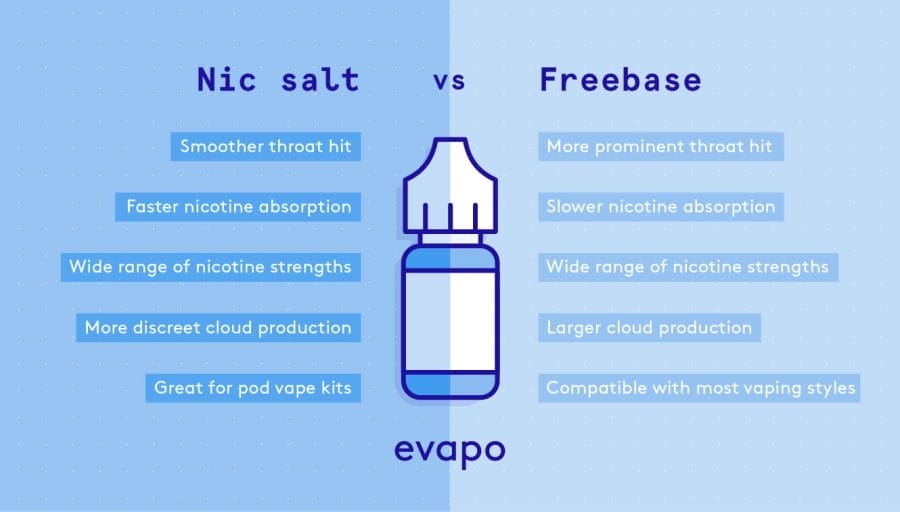
An infographic comparing the chemical properties and throat hit characteristics of Freebase Nicotine and Nicotine Salts in vaping e-liquids.
The reason a draw from a compact pod system can feel completely different to an inhale from a high-powered box mod comes down to a mix of chemical formulation and hardware mechanics. Understanding what is throat hit and learning how factors like base liquids, nicotine formulations, power output, and airflow interact allows you to fine-tune your device to match your exact preferences.
An anatomical illustration showing vapor stimulating the mucosal lining at the back of the human throat (pharynx).
Defining the Sensation: What Is Throat Hit?
At its core, a throat hit is the physiological sensation experienced when aerosolised vapour stimulates the mucosal lining at the back of your throat. When you inhale, microscopic droplets carrying nicotine, base carrier liquids, and flavour compounds make contact with the pharyngeal tissues. This creates a mild, instantaneous catching or tingling sensation before the vapour travels down into the lungs.

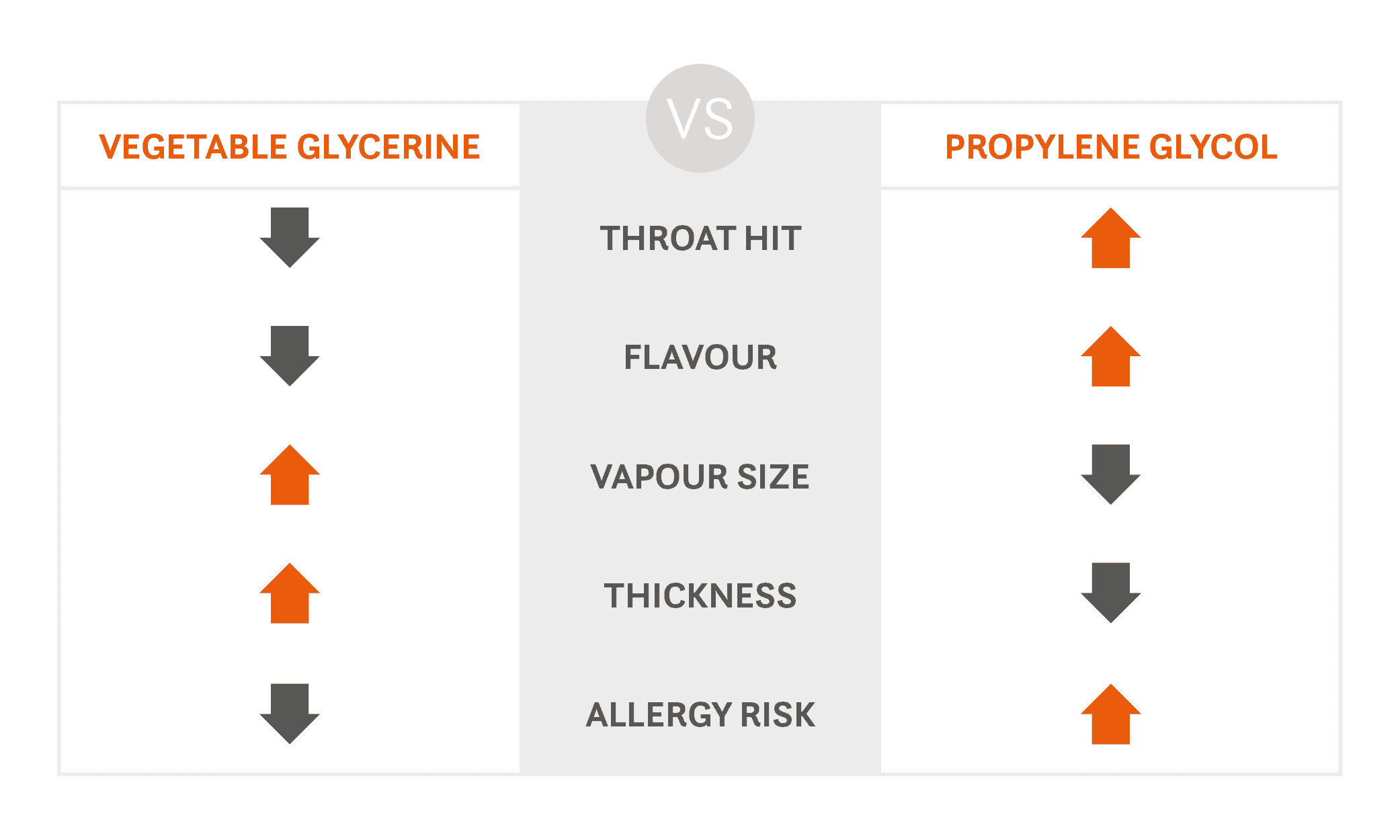
A visual comparison infographic showing the differences between Propylene Glycol (PG) and Vegetable Glycerine (VG) e-liquids, highlighting consistency and throat hit.
This sensory feedback is fundamental to the satisfaction many ex-smokers look for. When smoking a tobacco cigarette, the combustion of plant matter, hot smoke, and particulate nicotine create an immediate pressure in the airway. Replicating that specific feedback through a strong throat hit vape helps satisfy the muscle memory and sensory expectations built up over years of smoking.
Conversely, consumers who prefer larger vapour clouds or delicate flavours often find heavy throat stimulation uncomfortable, preferring a gentle, non-intrusive draw. Because individual sensitivity varies, a throat sensation that feels comfortably solid to one person might cause coughing in another.
E-Liquid Composition: The Foundation of Throat Sensation
The liquid you choose plays the most significant role in determining how sharp or gentle your vape feels. E-liquids consist of two primary base diluents—propylene glycol (PG) and vegetable glycerine (VG)—along with flavour concentrates and nicotine. Adjusting the ratio between these ingredients dramatically alters the texture of the vapour.
- E-LIQUID BASE BALANCE
- High Propylene Glycol (PG) — < → High Vegetable
-
- Thin consistency — Glycerine (VG)
-
- Crisp, sharp throat hit — – Viscous consistency
-
- Pronounced flavour carry — – Thick, dense clouds
-
- Mimics smoking draw — – Velvety, smooth draw
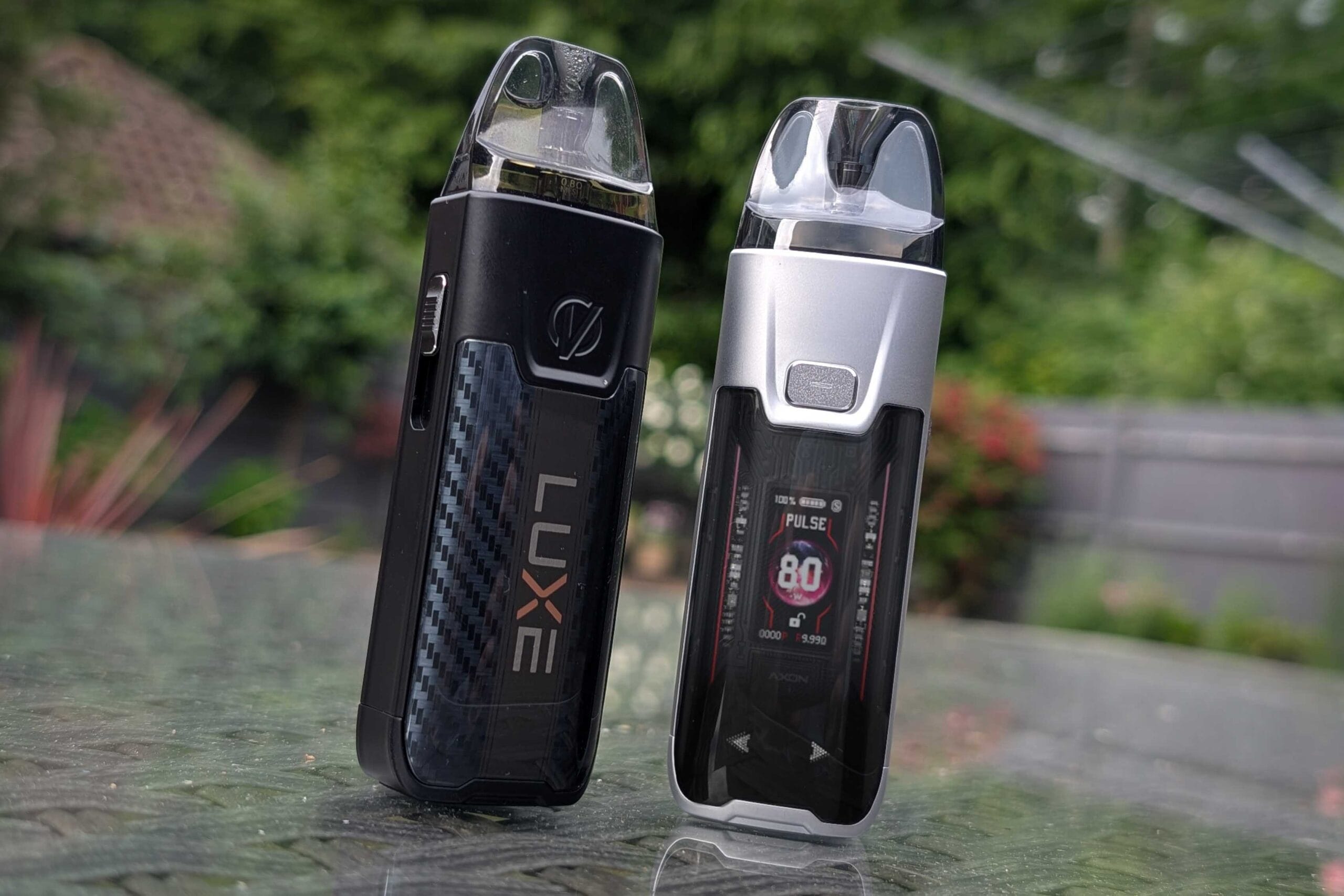
Side-by-side comparison of a sleek, compact vape pod system and a larger, high-powered box mod vape device.
Propylene Glycol vs Vegetable Glycerine
Propylene glycol is a colourless, thin liquid responsible for carrying flavourings and delivering throat stimulation. Because of its lower viscosity, PG produces a crisp, sharp sensation on the mucosal lining of the throat that feels remarkably similar to combustible smoke. Blends featuring a higher PG ratio, such as 70% PG to 30% VG, are standard choices for people seeking a pronounced, traditional bite.
Vegetable glycerine, on the other hand, is a much thicker, naturally sweet liquid derived from plant oils. VG is responsible for producing dense, voluminous vapour clouds. Crucially, VG has a naturally soothing, cushioning quality on the inhale. As the proportion of VG increases—such as in 70% VG to 30% PG or maximum-VG formulations—the perceived throat bite decreases significantly, yielding a dense and smooth draw with minimal irritation.
Flavour Formulations
Flavouring additives also contribute subtly to the overall mouthfeel. Certain flavour compounds interact differently with the sensitive tissues of the upper respiratory tract. Crisp, sharp profiles tend to provide a heightened sense of bite upon inhalation, while rich, rounded profiles soften the edges of the draw, contributing to an overall gentler sensory experience.
Freebase vs Nicotine Salts: The Chemistry Behind a Strong Throat Hit Vape
Nicotine is the most potent contributor to throat stimulation in an e-liquid. However, the intensity of that sensation depends heavily on the chemical state of the nicotine itself.
A person vaping with an expression showing either satisfaction from a smooth hit or a strong, punchy throat hit.
   Freebase Nicotine                          Nicotine Salts
+-----------------------+                +-----------------------+
| - Naturally alkaline  |                | - Acid-modified (pH↓) |
| - Pronounced bite     |   Compared:    | - Exceptionally mild  |
| - Ideal at 3-12 mg/mL |                | - Smooth at 20-50mg/mL|
| - Strong throat hit   |                | - Rapid absorption    |
+-----------------------+                +-----------------------+
Freebase Nicotine
Freebase nicotine is the purest, unbonded form of nicotine, historically used in both traditional cigarettes and standard e-liquids. In this state, nicotine carries an alkaline pH level. When vaporised, this alkaline profile causes a distinct, peppery sensation on the throat.
- Low Strengths (3 mg/mL to 6 mg/mL): Deliver a mild-to-moderate throat sensation, particularly favoured in higher-power setups where large vapour volumes compensate for lower concentrations.
- Medium to High Strengths (12 mg/mL to 18 mg/mL and above): Produce an exceptionally firm, punchy kick. For many new vapers using compact starter kits, this level provides the exact physical feedback needed to mirror a cigarette, though it can easily become harsh if used in high-output devices.
Nicotine Salts
Nicotine salts represent a chemical modification where freebase nicotine is bonded with an organic acid, most commonly benzoic acid. This process lowers the overall pH level of the solution, neutralising the natural alkalinity of freebase nicotine.
Because the solution is less alkaline, nicotine salts allow users to vape significantly higher nicotine concentrations without experiencing harsh throat irritation. A 20 mg/mL to 50 mg/mL nicotine salt formulation can feel as smooth on the inhale as a 3 mg/mL freebase e-liquid, while delivering a rapid, concentrated dose. This makes nicotine salts ideal for low-wattage, discreet pod systems where small amounts of vapour must deliver satisfying nicotine delivery without causing discomfort.
Hardware Dynamics: Power, Coils, and Airflow
While e-liquid chemistry sets the baseline, the hardware you use dictates how that liquid is heated, aerosolised, and delivered. The exact same bottle of e-liquid will feel drastically different depending on the device's electrical output, coil design, and airflow mechanics.
- HARDWARE THROAT HIT DYNAMICS
- Restricted Airflow (MTL) + Low Power → Concentrated, warm bite
- Open Airflow (DTL) + High Power → Broad, airy, smooth cloud
Power Output and Operating Temperature
Wattage controls the amount of heat generated by the coil element. As wattage increases, the coil reaches higher temperatures, vaporising a larger volume of e-liquid in a shorter span of time.
Warmer vapour naturally stimulates the pharynx more intensely than cool vapour. When you increase the power on a variable-wattage mod, you are increasing both the temperature and the total particulate mass entering your throat per second, which amplifies the perceived throat hit.
Airflow Configuration: MTL vs DTL
Airflow design determines the velocity, concentration, and temperature of the vapour stream as it enters the mouth and throat.
- Mouth-to-Lung (MTL): These devices utilise a tight, restricted airflow channel mimicking the draw resistance of a combustible cigarette. The user draws vapour into the oral cavity first before inhaling it into the lungs. This restricted channel concentrates the vapour into a narrow, focused stream, directing it straight onto the back of the pharynx for a defined, tactile impact.
- Direct-to-Lung (DTL): Sub-ohm tanks and open-airflow rebuildable atomisers allow massive volumes of ambient air to mix with the vapour. The user inhales the vapour directly into the lungs in a single continuous breath. The rush of incoming air cools and dilutes the vapour stream, spreading the impact across a wider surface area and producing a velvety, non-restrictive draw.
Illustration showing the Mouth-to-Lung (MTL) vaping technique, where vapor is drawn into the mouth first before inhaling to the lungs, demonstrating restricted airflow.
Technical Comparison: Tailoring Your Vaping Experience
The table below outlines how specific hardware and e-liquid configurations influence the overall throat sensation, helping you identify the right combination for your needs.
| Parameter | Configuration for a Strong Throat Hit | Configuration for a Smooth Throat Hit | Sensory Impact on Inhale |
|---|---|---|---|
| Base Liquid Ratio | High PG (e.g., 50/50 to 70/30 PG/VG) | High VG (e.g., 70/30 to 80/20 VG/PG) | PG provides a sharp, defined kick; VG produces thick, cushioning vapour. |
| Nicotine Type | Freebase Nicotine | Nicotine Salts | Freebase offers alkaline throat bite; salts lower pH for minimal irritation. |
| Nicotine Strength | Moderate to High (6 mg/mL to 18 mg/mL freebase) | Low Freebase (3 mg/mL) or Salt Formulations | Higher freebase levels increase peppery throat friction significantly. |
| Airflow Style | Restricted (Mouth-to-Lung / MTL) | Open (Direct-to-Lung / DTL) | Restricted airflow concentrates the stream; open airflow dilutes and cools vapour. |
| Device Power | Warm MTL Wattage (12 W to 20 W) | Optimised Sub-Ohm Wattage with High Airflow | Higher coil temperatures elevate sensation; cool, aerated draws reduce bite. |
Troubleshooting Your Draw: How to Adjust Throat Impact
Finding your personal sweet spot often involves a process of elimination. If your current vape feels either uncomfortably harsh or underwhelmingly weak, simple adjustments can recalibrate the sensation.
- DIALLING IN YOUR DRAW
- Feeling Too Harsh? — Feeling Too Weak?
-
- Switch to Nicotine Salts — – Increase PG Ratio (e.g. 50/50)
-
- Choose High-VG Liquid (70/30) — – Switch to Freebase Nicotine
-
- Lower Device Wattage — – Restrict Airflow Inlets
-
- Open Up Airflow Inlets — – Check for Fresh Coil
Steps to Soften an Overly Harsh Vape
- Switch from Freebase to Nicotine Salts: If you require moderate-to-high nicotine for craving satisfaction but cannot tolerate the peppery burn, nicotine salts will resolve the issue immediately.
- Increase the VG Content: Move from a 50/50 PG/VG liquid to a 70/30 VG/PG blend to add density and cushion the vapour against your throat.
- Turn Down the Power: Lowering your device's wattage by just 3 to 5 watts reduces the overall temperature of the vapour, softening the impact.
- Open the Airflow Control: Allowing more ambient air to mix with the aerosol cools the draw and dilutes the concentration hitting your pharynx.
- Inspect Your Coil: Ensure you are not mistaking an abrasive "dry hit" (caused by singed cotton wicking) for a standard throat hit. If the vapour tastes acrid or burnt, replace the coil immediately.
Steps to Increase Throat Stimulation
- Opt for Higher PG Concentrations: Choose liquids balanced at 50% PG or higher to add a clean, sharp bite to every draw.
- Use Freebase Nicotine: Transitioning to standard freebase e-liquid introduces the natural alkalinity that produces a distinct, traditional throat kick.
- Restrict Airflow Inlets: Adjust your airflow ring to a tighter, mouth-to-lung setting to concentrate the vapour stream directly onto the palate and throat.
- Slightly Increase Operating Wattage: If your coil supports it, bumping up the wattage within the manufacturer's recommended range creates warmer vapour with greater tactile presence.
Summary: Finding the Balance That Works for You
A vape throat hit is not a one-size-fits-all characteristic—it is a customisable aspect of e-cigarette use driven by e-liquid formulation and hardware dynamics. Whether you prefer a strong throat hit vape that faithfully recreates the physical sensation of smoking or an ultra-smooth throat hit that allows you to enjoy nuanced flavours without distraction, achieving your desired draw is simply a matter of balancing your PG/VG ratios, nicotine type, airflow, and power settings. By understanding what is throat hit and making thoughtful adjustments to your gear, you can dial in an experience that is consistently comfortable, enjoyable, and tailored to your lifestyle.