The Convenience Premium: Evaluating Disposable Vape Price, Vape Value, Vape Convenience, and Vape Cost in 2026

The Convenience Premium: Evaluating Disposable Vape Price, Vape Value, Vape Convenience, and Vape Cost in 2026
When picking up a single-use vaping device off the shelf, the transaction feels simple: unpack the foil, peel away the silicone stoppers, and inhale. Yet behind that effortless draw lies an intricate balance between manufacturing overheads, product lifespan, and consumer pricing. Analysing the relationship between disposable vape price, vape value, vape convenience, and vape cost reveals that consumers are rarely just paying for e-liquid and nicotine. Instead, the final retail figure reflects an entire self-contained electronic ecosystem designed to be used briefly and discarded.
Understanding what goes into that retail price tag is essential for anyone looking to balance convenience against their weekly budget. As product designs shift from compact pocket sticks to high-capacity devices boasting thousands of draws, the economics of single-use hardware continue to evolve.
Breaking Down Disposable Vape Price: Hardware, Liquid, or Ready-to-Use Ease?
Every single-use device sold across retail channels is an all-in-one consumer electronics assembly. Unlike traditional refillable kits where the battery and control board remain in service for months or years, a disposable unit houses an entire operational setup inside a sealed chassis.
When assessing the retail price of these units, the component breakdown typically includes:
- Integrated Lithium-Ion Cells: Even entry-level units require a functional battery with basic safety circuitry to deliver consistent voltage to the coil.
- Micro-Sensory Activation Switches: Pneumatic airflow sensors detect the user's draw, activating the atomiser without manual buttons.
- Precision Atomiser Coils: Modern disposables feature mesh coil structures engineered to vaporise high-strength formulations rapidly.
- Pre-Filled Nicotine Salt Formulations: Devices predominantly come pre-loaded with nicotine salt e-liquid, commonly formulated at fixed concentrations such as 3%, 4%, 5%, or 6%.
- Protective Casing and Packaging: Multi-layered packaging, silicone preservation plugs, and sealed foil pouches protect against oxidation and leakage before retail sale.
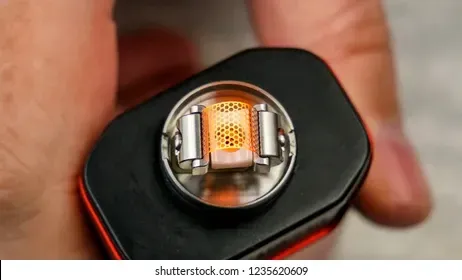
A magnified close-up image of a modern mesh atomizer coil, showing its intricate structure designed for vaporizing e-liquid.
When a consumer pays for a single-use unit, a major portion of the spend covers this hardware packaging rather than the fluid itself. The user pays for the luxury of bypassing manual coil changes, messy bottle refills, and maintenance routines.
Mega-Puff Hardware and True Vape Value: Examining 20,000 to 65,000 Puff Devices
The disposable market has undergone a dramatic transformation in hardware architecture. Where earlier product generations delivered standard outputs of 500 to 2,000 puffs, contemporary product catalogues now showcase devices engineered for 20,000, 35,000, 50,000, and even upwards of 65,000 puffs.

A visual comparison showing the evolution of disposable vapes, from smaller, earlier models to larger, high-capacity devices.
To deliver these extended capacities, manufacturers have introduced rechargeable internal batteries alongside larger reservoirs. Rather than discarding the unit when a small battery depletes, users recharge the internal cell via USB-C until the pre-filled e-liquid supply is entirely exhausted.
Evaluating the real value of these mega-capacity models involves looking past headline puff counts:
- Rechargeable Utility: Equipping larger devices with charging ports ensures that the internal power cell outlasts the voluminous fluid reservoir.
- Feature Additions: Many extended-life units now feature digital percentage displays, liquid-level gauges, and dual-output firing toggles.
- Diminishing Returns on Flavour: As a coil vaporises tens of thousands of draws from a single non-replaceable wick, atomiser performance naturally shifts over time compared to fresh coils.

A high-capacity disposable vape device featuring a small digital screen displaying battery percentage and e-liquid level.
While high-capacity hardware offers a lower cost per draw compared to smaller single-use sticks, it still ties the consumer to a closed, non-refillable format.
Balancing Vape Convenience Against Long-Term Vape Cost: Disposables vs Refillable Pods
To assess whether single-use products make financial sense over months of use, it is helpful to contrast them directly with open, refillable pod systems. The table below outlines how entry-level disposables, mega-capacity units, and refillable hardware compare across maintenance, lifespan, and overall running costs.
| Device Category | Typical Usable Lifespan | Maintenance Required | Upfront Retail Entry | Ongoing Expense Driver |
|---|---|---|---|---|
| Entry-Level Disposable | 500 to 2,500 puffs | Nil (single-use, fully sealed) | Low ($5 – $10 on clearance) | Frequent total replacement of hardware |
| Mega-Capacity Disposable | 20,000 to 65,000+ puffs | USB-C recharging only | Moderate ($15 – $30) | Periodic replacement of complete device |
| Refillable Open Pod Kit | 6 to 18+ months (battery body) | Pod/coil replacement, bottle refilling | Moderate to High ($25 – $50) | Bottled e-liquid and replacement coil packs |
While open pod kits demand a modest learning curve—such as priming coils and refilling reservoirs—they separate the electronic hardware from the consumable liquid. In contrast, disposables require buying brand-new circuitry, sensors, and structural casing with every purchase cycle.
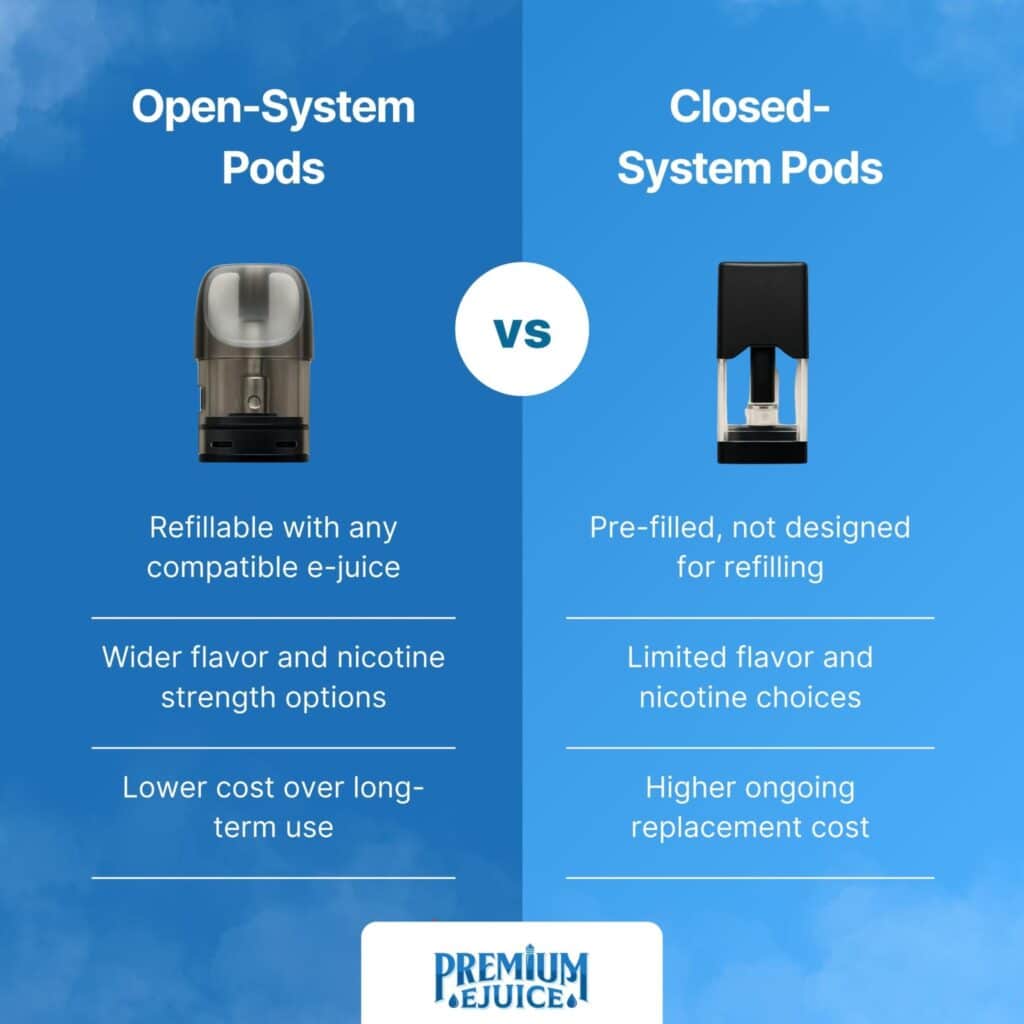
A side-by-side comparison of a sealed disposable vape and an open refillable pod system being refilled with e-liquid from a bottle.
Clearance Cycles and Fast Inventory Turnover in 2026
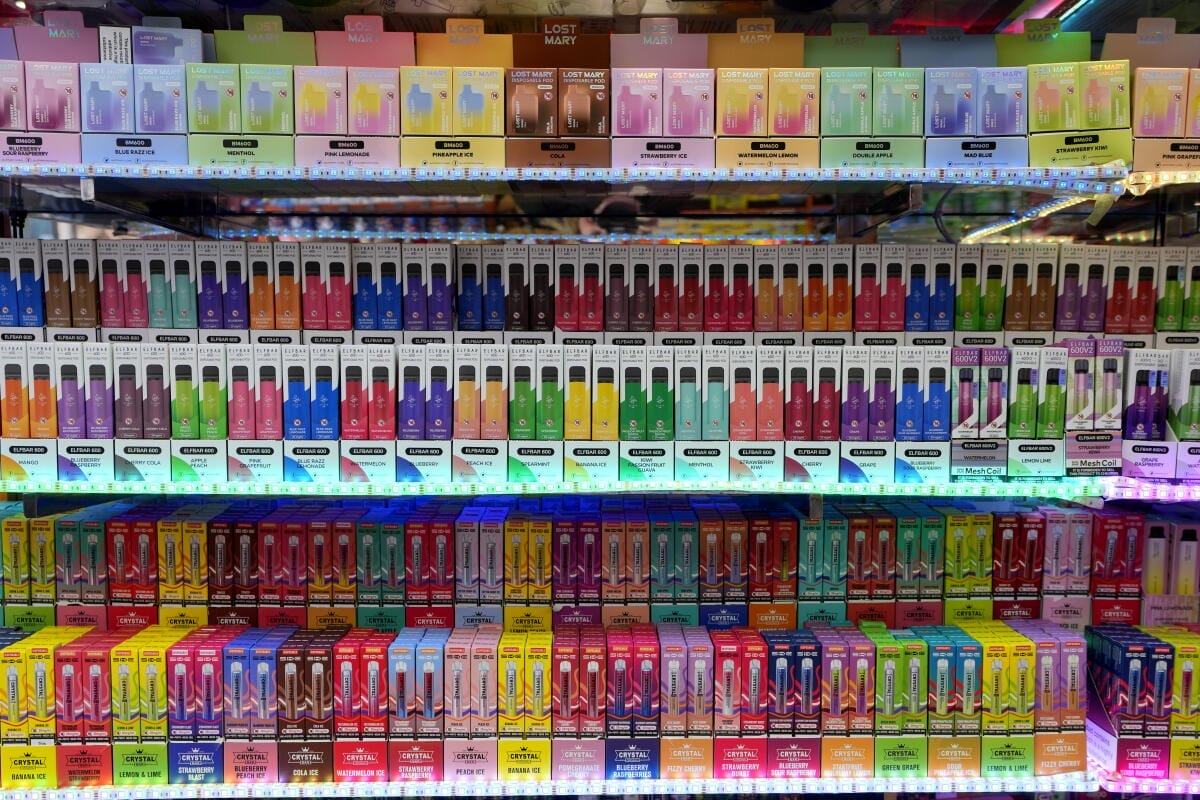
Retail dynamics play a significant role in how single-use devices are priced on the open market. Because manufacturers iterate hardware rapidly, introducing updated casings and higher capacities every few months, retailers frequently encounter inventory surplus.
To manage stock flow, online and brick-and-mortar storefronts routinely utilise aggressive clearance pricing models:
A retail shelf or display case featuring various disposable vape devices with prominent
- Entry-Level Clearance Tiers: Older or discontinued models frequently drop below $10, offering a low-barrier option for budget-conscious buyers.
- Multi-Pack Bundling: Retailers bundle multiple units together at discounted rates to clear warehouse capacity for incoming generations of high-capacity models.
- Overstock Sales: Surplus flavours or excess inventory from previous manufacturing runs are marked down substantially, shifting the price-to-puff ratio in the consumer's favour.
These markdown cycles provide opportunities for consumers who prioritise low upfront spend over having the latest display screens or high puff ratings.
The Nicotine Salt Factor: Fixed Formulations and Usability
Another key component built into the price of ready-to-use devices is the chemical formulation of the liquid. The vast majority of disposables utilise nicotine salt e-liquids rather than standard freebase nicotine.
Nicotine salts are created by combining pure nicotine with organic acids (such as benzoic or citric acid), lowering the formulation's overall pH level. This delivers several distinct operational characteristics:
- Smoother Throat Sensation: Users can inhale higher nicotine strengths (commonly 3% to 6%) without the harsh throat hit associated with equivalent concentrations of freebase liquid.
- Rapid Nicotine Delivery: The lower pH allows for quicker absorption, closely mimicking traditional inhalation dynamics.
- Formulation Stability: Nicotine salts boast extended shelf stability, helping pre-filled units maintain flavour consistency while sitting in retail packaging.
However, the fixed nature of pre-filled pods means users cannot taper their strength gradually or adjust vegetable glycerine (VG) to propylene glycol (PG) ratios. The consumer pays for a standardised, non-customisable formulation engineered specifically for the fitted coil.
How to Evaluate Real Value Before You Buy
Choosing between single-use simplicity and long-term cost efficiency requires identifying your personal usage patterns. To make an informed decision, consider the following practical guidelines:
1. Match Capacity to Usage Frequency
If you only require a device for occasional travel, social weekends, or emergency backup, an entry-level disposable or discounted clearance bundle minimises upfront spend without leaving unvaped fluid sitting in a drawer for months.
2. Scrutinise Feature Add-Ons
Digital indicator screens, dual-mode power switches, and decorative casings can add to retail pricing. If your primary goal is clean vapour delivery, simpler hardware designs without extra electronics often deliver equivalent atomisation performance at a lower price point.
3. Factor in Long-Term Hardware Turnover
If you find yourself purchasing high-capacity disposables on a regular weekly or bi-weekly cycle, tallying your monthly receipts often reveals that transitioning to an open pod system would yield considerable ongoing savings.
Final Thoughts: The True Price of Convenience
The enduring popularity of disposable vapes stems directly from their frictionless user experience: no maintenance, no leaking bottles, and no technical knowledge required. However, that seamless experience carries a built-in markup for hardware redundancy and disposable engineering. By understanding how battery integration, puff capacities, and retail turnover shape market pricing, consumers can make practical decisions that align with both their lifestyle preferences and their long-term budget.