Why Do Some Disposable Vapes Feel Heavier Than Others? A Guide to Vape Weight and Hardware

Why Do Some Disposable Vapes Feel Heavier Than Others? A Guide to Vape Weight and Hardware
When you hold different handheld vaporisers in your hand, one of the most immediate physical differences you notice is their heft. Two devices with similar exterior dimensions can feel entirely distinct, with one feeling like a featherweight plastic pen and another carrying the solid, substantial density of a premium electronic device. If you have ever wondered about the mechanics behind vape weight, disposable vape size, what makes a heavy vape, and how modern vape design influences the overall user experience, the answer lies in the hardware components housed within the casing.
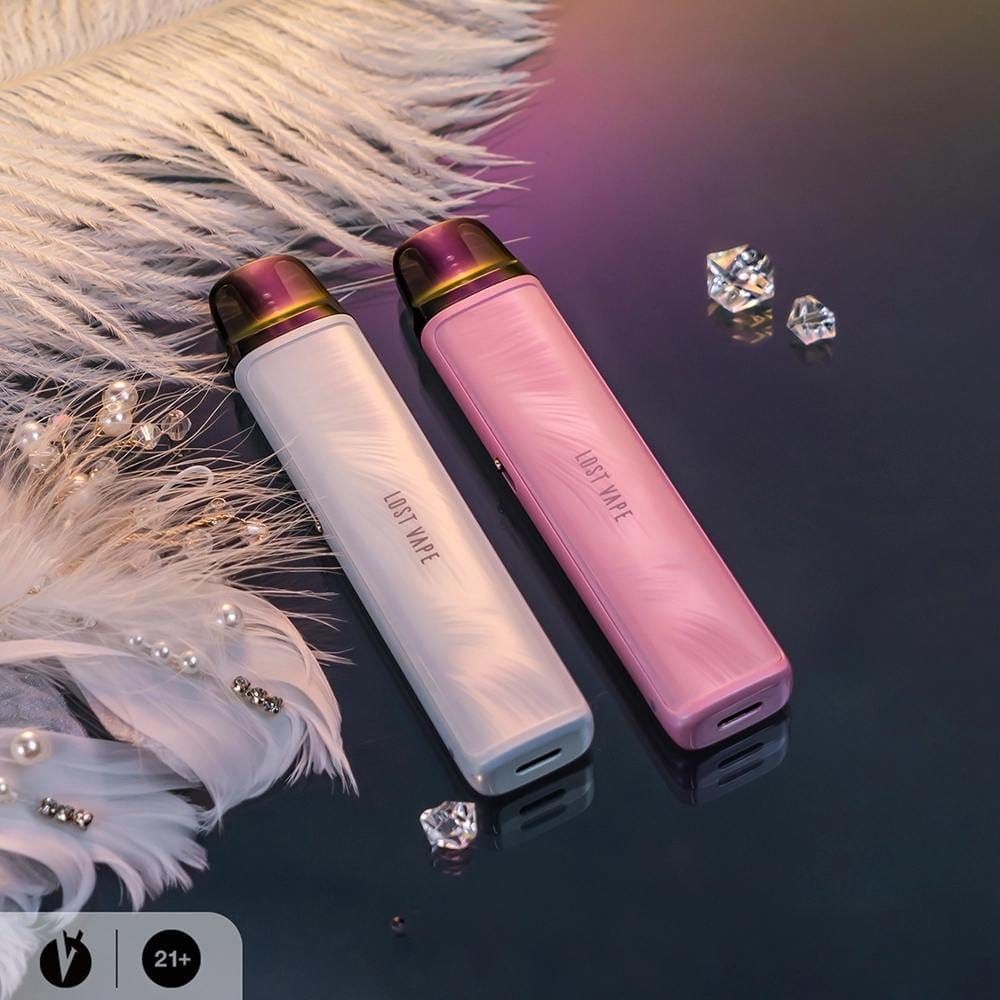
A visual comparison of a slim, early-generation disposable vape with a small e-liquid capacity and a larger, modern high-capacity disposable vape with a substantial e-liquid tank.
The weight of any electronic vapouriser is governed by a combination of internal battery capacity, liquid reservoir volume, chassis material, and internal structural engineering. As the market has evolved, manufacturers have diversified their product designs, shifting from rudimentary single-piece sticks to complex, multi-component hardware units.
Understanding Vape Weight: What Adds Mass Inside the Shell?
At its simplest, a disposable vapouriser is a self-contained electronic nicotine delivery system consisting of four fundamental sections: the power source, the fluid reservoir, the atomiser assembly, and the structural enclosure. Each of these elements adds mass, but they do not contribute in equal measure.
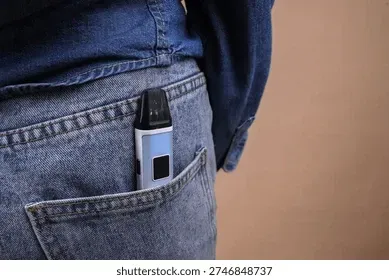
A small, lightweight disposable vape discreetly tucked into a shirt pocket or held effortlessly in a hand, illustrating its portable and discreet nature.
- TOTAL DEVICE MASS
-
- Battery Cell (Lithium-ion core & metal safety sleeve)
-
- E-Liquid Payload (Reservoir tank & fluid volume)
-
- Chassis & Exterior Housing (Alloys vs Polymers)
-
- Internal Structural Framework (Silicone, brackets, PCB)
The internal density of a vapouriser is concentrated primarily around the power unit and the liquid housing. Unlike traditional consumer electronics that contain mostly hollow air cavities around printed circuit boards, high-capacity disposable units are tightly packed. Every cubic millimetre of interior space is typically occupied by high-density materials, creating a surprisingly dense physical object relative to its compact dimensions.
How Disposable Vape Size and Liquid Capacity Shape the Device
The overall disposable vape size is directly dictated by the volume of e-liquid it is engineered to hold. E-liquid itself carries measurable mass—comprising vegetable glycerin (VG), propylene glycol (PG), flavour concentrates, and nicotine. Because vegetable glycerin has a relatively thick physical density, carrying a higher fluid volume directly increases total device weight.
Early generation disposables carried very small amounts of fluid, often limited to slim internal reservoirs. These devices were intended for brief use and could afford to be ultra-slim and light. In contrast, modern extended-use devices are built to accommodate substantially larger internal fluid tanks to deliver thousands of puffs before depletion.
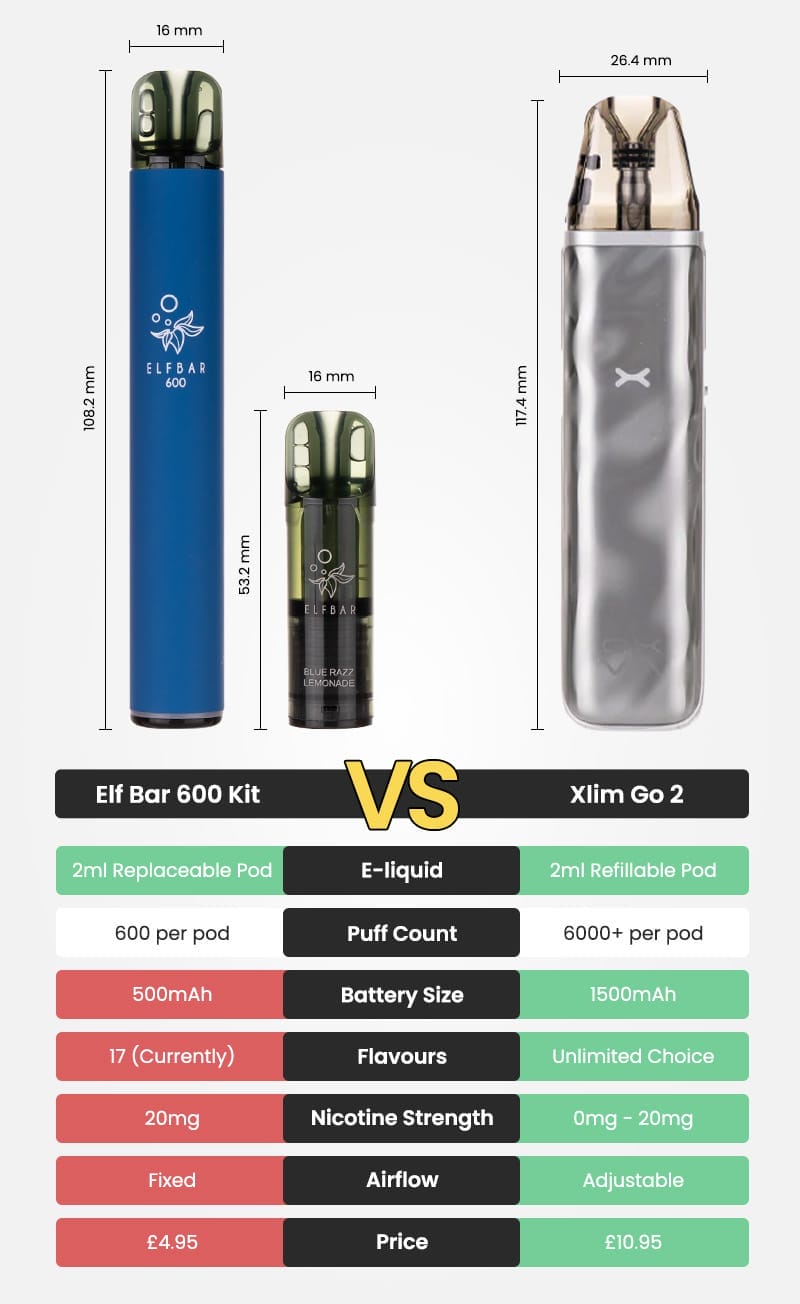
A visual comparison of a slim, early-generation disposable vape with a small e-liquid capacity and a larger, modern high-capacity disposable vape with a substantial e-liquid tank.
When a device is engineered to store a generous reservoir of liquid, the weight changes in two distinct ways:
- Fluid Payload: The physical weight of the liquid itself sits inside the internal tank. A device filled to maximum capacity feels noticeably heavier on day one than it does when the reservoir is running dry.
- Reservoir Architecture: Large fluid reservoirs require robust internal containment structures, including reinforced silicone seals, isolation chambers, and wicking channels to prevent leaks. This internal plumbing adds structural mass independent of the liquid inside.
What Makes a Heavy Vape: Battery Cells and Internal Hardware
While fluid volume adds to the overall payload, the single heaviest individual component inside any vapouriser is almost always the battery cell.
To power the atomisation process, vapourisers rely on lithium-based battery technology. Battery weight is tied directly to energy capacity; higher energy output or longer intervals between charges demand larger electrode surface areas, thicker current collectors, and more electrolyte solution.
Battery Chemistry and Casing
Lithium cells require a rigid metal outer can to protect the internal chemical layers from punctures, drops, and pressure changes. This steel or aluminium battery casing makes up a significant portion of the cell's gross weight.
- Compact Cells: Smaller, lower-capacity cells used in compact stick devices feature thin metal sleeves and minimal chemical mass, resulting in an exceptionally light hand-feel.
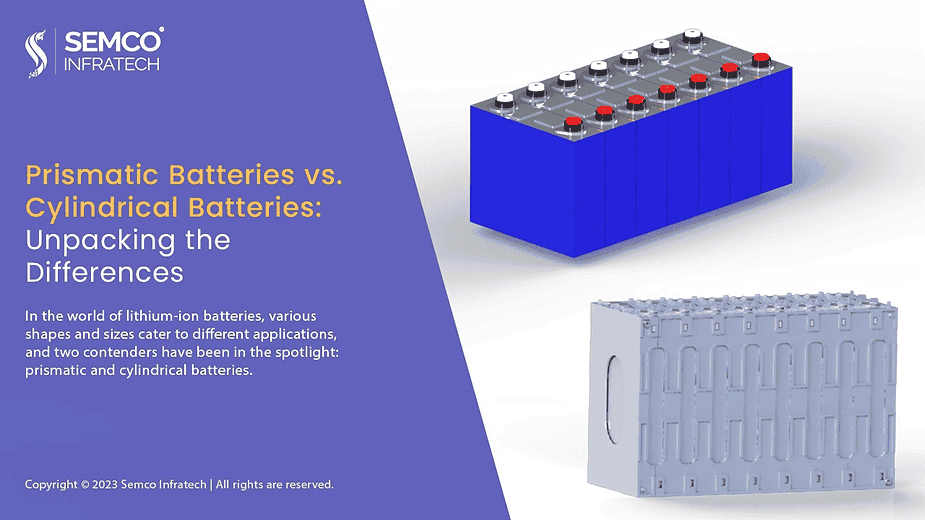
- High-Capacity Cells: Devices built for prolonged operation incorporate larger cylindrical or prismatic battery cells. These units feature thicker internal layers and heavy-duty steel safety enclosures, resulting in a distinct, concentrated centre of gravity.
Three disposable vapes or vape chassis components, each made from a different material: plastic (ABS/polycarbonate), anodized aluminum alloy, and dense zinc alloy, showcasing material differences.
Charging and Power Regulation Boards
Modern disposable devices often incorporate integrated charging capabilities to allow the user to fully vaporise large fluid volumes without the battery dying prematurely. The inclusion of charging circuitry—complete with USB ports, power-management microchips, surge protectors, and printed circuit boards—adds layered hardware that does not exist in basic, non-rechargeable models.
Materials and Aesthetics: How Vape Design Influences Weight
The exterior shell is where engineering meets industrial styling. The choice of outer materials plays a massive role in how heavy, premium, or durable a device feels during daily use. Manufacturers make deliberate design decisions depending on whether their goal is featherweight portability or rugged durability.
Lightweight Polymers vs Metallic Alloys
The material selected for the main chassis is one of the clearest differentiators in device weight:
- Polycarbonate and ABS Plastics: Entry-level or ultra-portable units frequently use injection-moulded thermoplastic polymers. These materials are cost-effective, shock-absorbent, and exceptionally lightweight, keeping total device mass to a minimum.
- Aluminium Alloys: Anodised aluminium delivers a balance of structural rigidity and moderate weight. It offers a cool-to-the-touch metallic finish without making the device unwieldy.
- Zinc Alloys and Stainless Steel: High-durability designs often employ die-cast zinc alloys or steel accents. Zinc alloy is dense and robust, providing significant protection against heavy drops while adding substantial heft to the unit.

Three disposable vapes or vape chassis components, each made from a different material: plastic (ABS/polycarbonate), anodized aluminum alloy, and dense zinc alloy, showcasing material differences.
- LIGHTWEIGHT — BALANCED — HEAVY-DUTY
- ABS / Polycarbonate → Anodised Aluminium → Die-Cast Zinc Alloys
- Minimal mass, plastic feel — Sleek, moderate heft — Substantial, dense, rugged
Exterior Finishes and Ergonomic Weighting
Manufacturers often utilise layered finishes, such as rubberised soft-touch coatings, faux-leather wraps, or secondary electroplated decorative bands. While these additions enhance grip and aesthetic appeal, they also add incremental grams. Furthermore, some brands intentionally balance their devices with a low centre of gravity, making the device feel planted and solid when placed upright on a table.
Device Form Factor Comparison
To illustrate how internal specifications and structural components alter the physical profile of different devices, the table below highlights the key differences across common hardware formats.
| Device Profile | Intended Usage Style | Primary Internal Features | Chassis Materials | Hand-Feel & Weight Profile |
|---|---|---|---|---|
| Ultra-Slim Stick | Short-term / Minimalist | Small fluid reservoir, compact low-draw battery cell | Thin polycarbonate or light aluminium sleeve | Featherweight; barely noticeable in a pocket or bag |
| Standard Pen / Pod | Moderate daily use | Medium fluid capacity, standard lithium cell, basic airflow channel | ABS plastic or standard anodised tube | Light and balanced; easy one-handed handling |
| Box-Style Mini | Multi-day regular use | Moderate-to-large reservoir, rechargeable cell, USB charging board | Polycarbonate shell with internal silicone chassis | Moderate density; compact footprint with noticeable solidness |
| Heavy-Duty High-Capacity | Extended long-term use | Large-volume liquid tank, heavy-duty rechargeable cell, advanced PCB | Zinc alloy frame, rubberised coating, reinforced base | Substantial heft; dense hand-feel with a low centre of gravity |
The Ergonomics of Weight: Portability vs Durability
A heavier device comes with distinct operational advantages and trade-offs. Deciding whether a light or heavy device is preferable depends largely on personal daily requirements and environmental conditions.
Advantages of a Heavier Build
- Structural Durability: Devices constructed with zinc alloy frames or dense composite outer shells are far more resistant to accidental crush damage, drops onto bitumen, or pocket pressure.
- Tip Resistance: Lightweight pen devices are notoriously easy to knock over when set down on flat surfaces. A heavier base keeps the unit stable and upright, reducing the likelihood of mouthpiece contamination.
- Tactile Feedback: Many users associate weight with craftsmanship. A solid, balanced device feels secure in the palm and provides a tactile sensation of reliability.
Advantages of a Lightweight Build
- Discreet Portability: Featherweight devices slip into shirt pockets or small compartments without dragging down fabric or causing uncomfortable bulges.
- Effortless Handling: Ultra-light models require virtually zero grip pressure to hold, making them convenient for quick, occasional use on the go.
A side-by-side visual comparison between a small, compact lithium-ion battery cell typically found in slim vapes and a larger, high-capacity cylindrical or prismatic battery cell used in heavier vapes.
Key Takeaways: Finding the Right Balance for Your Lifestyle
When evaluating why some disposable units feel substantially heavier than others, it comes down to a deliberate balance of power capacity, fluid reservoir volume, and manufacturing materials. A slim, featherweight device prioritises stealth and pocketable convenience at the expense of liquid volume and battery duration. On the other hand, a dense, heavy unit prioritises longevity, durable alloy construction, and extended performance.
Understanding these hardware distinctions allows you to choose a form factor that aligns with your daily routine—whether you prefer a featherweight pocket companion for brief outings or a robust, high-capacity daily workhorse built to withstand the rigours of everyday use.