ALIBARBAR vs UMIN: Comparing Disposable Vape Brands in 2026

ALIBARBAR vs UMIN: Comparing Disposable Vape Brands in 2026
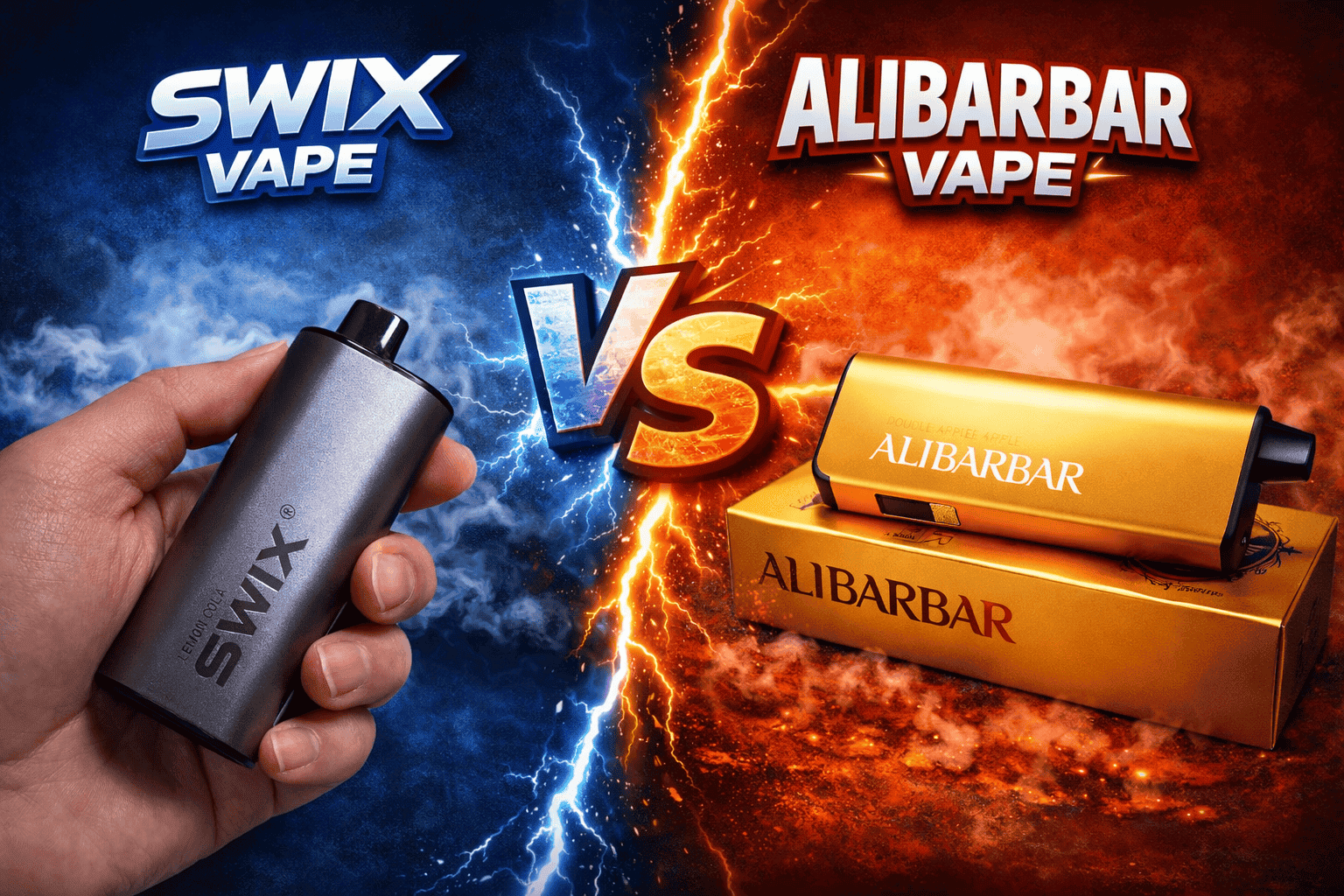
Two hands holding an ALIBARBAR metallic disposable vape and a UMIN lightweight ergonomic disposable vape, showcasing their design contrast.
The landscape of modern vaping hardware is defined by two competing priorities: aesthetic luxury and functional utility. When evaluating the market for an alibarbar vape, umin vape, alibarbar vs umin, disposable vape brands continue to spark lively debate among adult consumers seeking reliable performance, solid construction, and consistent vapour production. While both manufacturers target adult users looking for high-capacity, draw-activated hardware, their engineering priorities diverge significantly.
ALIBARBAR has carved out a distinct identity by prioritising heavy metallic finishes, smart digital displays, and a premium hand-feel. In contrast, UMIN champions minimalist ergonomics, high puff ratings, and straightforward portability. Understanding the trade-offs between these two design philosophies helps clarify how modern single-use hardware performs in daily use, especially within the context of Australia's strict regulatory framework and the broader transition towards sustainable, refillable alternatives.
Premium Chassis vs Everyday Practicality: The Core Design Philosophies
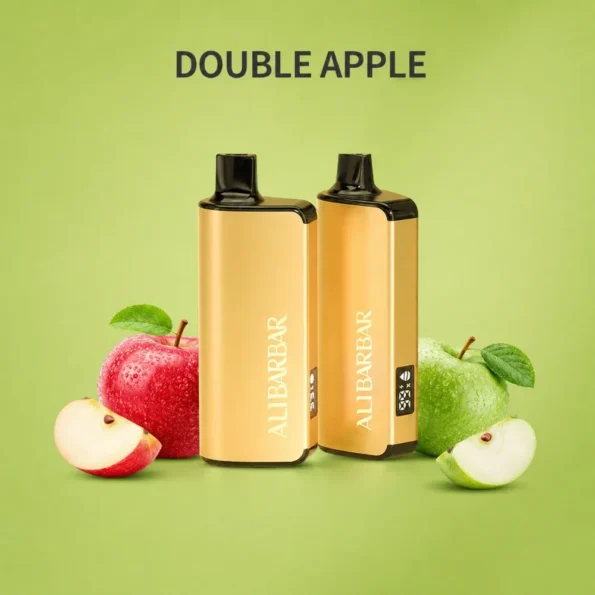
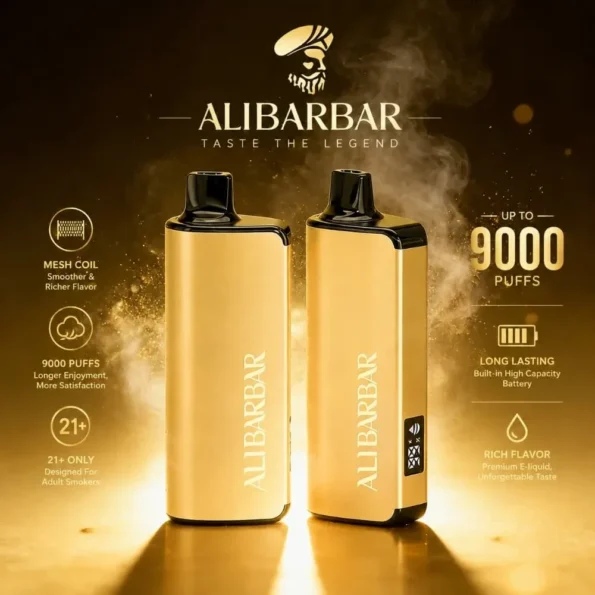
The difference between ALIBARBAR and UMIN is immediately noticeable in the hand. ALIBARBAR treats its devices as lifestyle accessories. The brand's signature aesthetic relies on an ingot-style metallic chassis, polished accents, and integrated LED indicator screens that display real-time e-liquid and battery levels. This design language provides a substantial, weighted feel that appeals to users who appreciate robust build quality and tactile feedback.
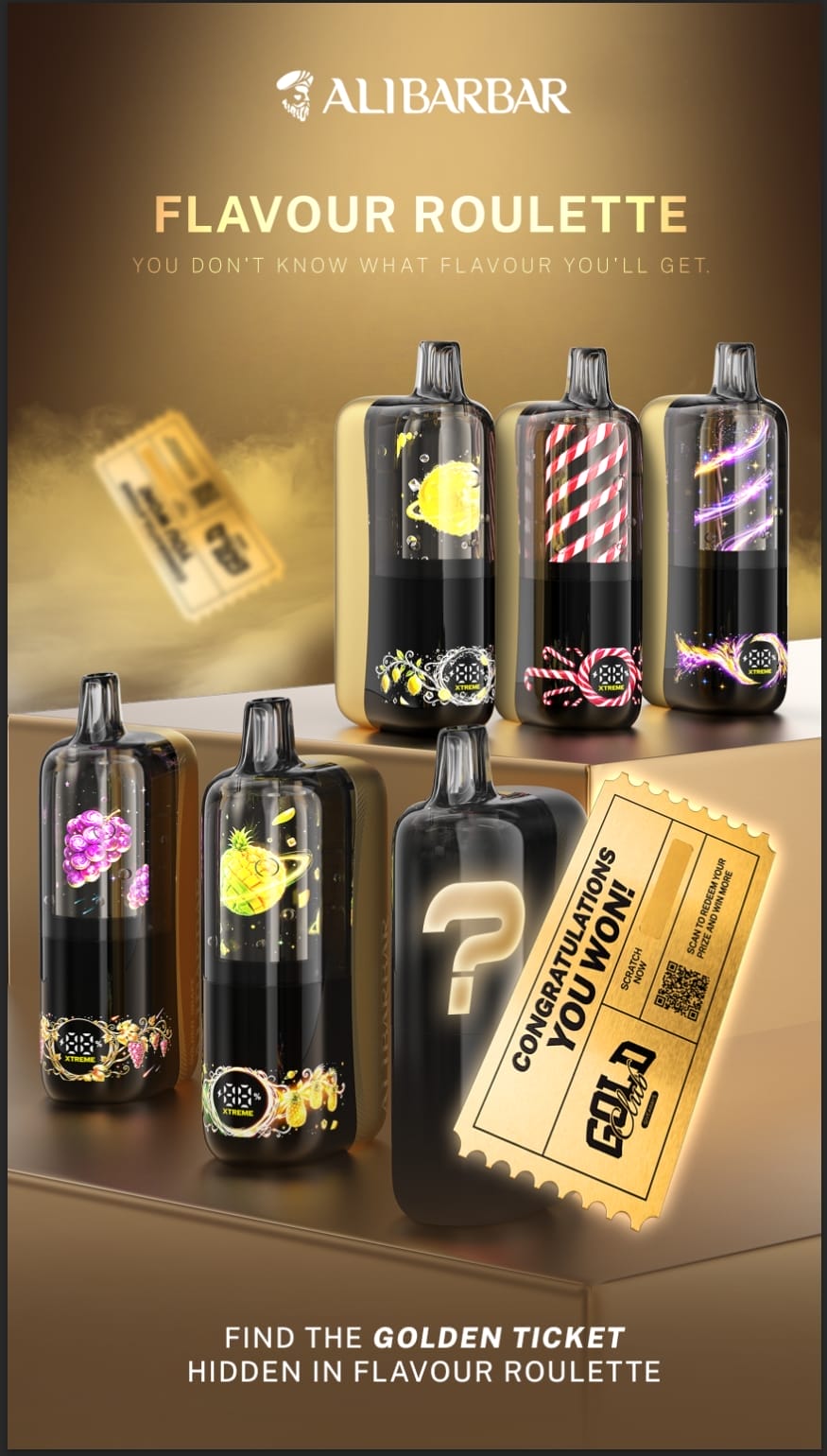
A visual comparison of ALIBARBAR and UMIN disposable vape brands, highlighting their distinct designs.
UMIN takes an entirely different route by focussing on streamlined ergonomics. Rather than adding weight with thick aluminium alloy casings and electronic screen modules, UMIN utilises lightweight, impact-resistant polycarbonate bodies. The chassis is deliberately slimline and pocket-friendly, engineered for seamless daily carry during commutes or outdoor activities.
This philosophical divide represents a fundamental choice for consumers:
- ALIBARBAR: Focuses on structural rigidity, visual status, informative digital feedback, and distinctive industrial styling.
- UMIN: Focuses on stealth, lightweight carry, reduced pocket bulk, and purely utilitarian operation.
Head-to-Head Breakdown: Alibarbar vs Umin Hardware Specifications
To properly evaluate both manufacturers, it is helpful to examine how their flagship single-use models compare on paper and in practice. The ALIBARBAR INGOT 9000 and the UMIN SLICKPLUS 10000 represent the pinnacle of each brand's high-capacity disposable engineering. Additionally, ALIBARBAR offers expanded high-capacity variants, such as the SWIRL, which incorporates transparent reservoirs and dual mesh coils.
| Feature / Specification | ALIBARBAR INGOT 9000 | UMIN SLICKPLUS 10000 | ALIBARBAR SWIRL |
|---|---|---|---|
| Rated Output | Up to 9,000 Puffs | Up to 10,000 Puffs | Extended High Capacity |
| Battery Cell | 2,400 mAh (Non-Rechargeable) | 2,700 mAh (Non-Rechargeable) | 3,500 mAh (Non-Rechargeable) |
| Coil Configuration | Single 1.0-ohm Mesh Coil | Integrated Mesh System | Dual Mesh Coil System |
| Chassis Material | Metallic Ingot Alloy | Lightweight Polycarbonate | Clear Composite & Alloy |
| Display / Indicators | LED E-Liquid & Battery Screen | Base LED Indicator Light | Visible E-Liquid Window |
| Airflow Control | Fixed Draw Resistance | Fixed Draw Resistance | Adjustable Airflow Valve |
| Design Priority | Premium Finish & Monitoring | Portability & Extended Puff Count | Maximum Capacity & Custom Draw |
Battery Engineering and Coil Performance Across Alibarbar Vape and Umin Vape Devices
A critical technical consideration for non-rechargeable disposables is whether the integrated battery cell can sustain consistent output across the entire volume of e-liquid. Traditional smaller disposables relied on low-capacity cells paired with high-resistance wire coils, but modern high-capacity units demand much more sophisticated power management.
Power Delivery and Cell Capacity
The ALIBARBAR INGOT 9000 incorporates a 2,400 mAh non-rechargeable lithium cell, whilst the UMIN SLICKPLUS 10000 steps up to a 2,700 mAh unit. Because neither device features a recharge port, the internal battery must hold sufficient charge over several weeks of intermittent use without experiencing severe voltage drop-off.
UMIN’s slightly larger 2,700 mAh capacity is engineered to support its higher 10,000-puff ceiling. However, real-world longevity depends heavily on individual draw duration. A consumer taking long, deep draws will deplete the power cell faster than someone taking short, gentle puffs.
Mesh Heating Elements
Both brands implement modern mesh heating elements rather than traditional wound wire coils.
A side-by-side comparison image depicting a disposable vape device and a refillable pod system, highlighting their differences in use.
- ALIBARBAR: Features an integrated 1.0-ohm mesh coil calibrated to fire smoothly in the 12 to 16-watt range. The mesh surface provides uniform heat distribution, reducing hot spots and maintaining flavour clarity from the first draw to the last. Higher-end models like the ALIBARBAR SWIRL expand on this with dual mesh configurations, allowing for denser vapour production and adjustable airflow dynamics.
- UMIN: Utilises an integrated mesh system fine-tuned for rapid ramp-up and a moderate, warm draw. The resistance is matched closely to the discharge curve of the 2,700 mAh battery, ensuring that vapour density remains relatively stable even as the battery approaches nominal resting voltage.
Analysing Longevity and Output Across Competing Disposable Vape Brands
When consumers evaluate high-capacity disposables, advertised puff counts often dominate the conversation. However, understanding how those ratings translate to real-world usage provides a clearer picture of value.
- THE PUFF SPECTRUM
- Standard Disposables — ALIBARBAR INGOT — UMIN SLICK
- (600-1500) — (9000) — (10000)
- 1 – 3 Days — 20 – 25 Days — 22 – 28 Days
In real-world testing and community reporting, a 9,000 to 10,000-puff single-use device typically lasts a moderate adult user between 20 and 28 days. For heavier users, this timeframe may shorten to two weeks, primarily because sustained chain-vaping accelerates battery drainage.
ALIBARBAR mitigates the uncertainty of remaining device life by featuring a digital screen that displays both battery percentage and liquid reserves. This feature eliminates the guesswork of when a disposable is about to expire. UMIN, lacking a digital screen, relies on basic LED light blinks at the base of the device when the battery is depleted, requiring users to gauge remaining e-liquid by flavour quality and vapour thickness alone.

Close-up of an ALIBARBAR disposable vapes digital screen clearly showing e-liquid level and battery percentage.
Product Line Variety: Expanding Beyond Single Models
While the INGOT 9000 and SLICKPLUS 10000 receive the most attention, both brands cater to different user requirements through expanded catalogues.
The ALIBARBAR Ecosystem
ALIBARBAR offers one of the most structurally diverse ranges in the disposable sector:
- ALIBARBAR INGOT 3600: A compact, mid-capacity device designed for users who want the metallic ingot aesthetic without carrying a large-format battery.
- ALIBARBAR INGOT 9000: The flagship balanced model, combining the smart screen, metallic shell, and 2,400 mAh power cell.
- ALIBARBAR INGOT 15000: An ultra-high-capacity variant designed for maximum operational longevity.
- ALIBARBAR SWIRL: An enthusiast-oriented disposable featuring a transparent reservoir, a 3,500 mAh battery, dual mesh coils, and manual airflow control.
The UMIN Ecosystem
UMIN concentrates its development on refined simplicity. Rather than diversifying across dozens of distinct form factors, UMIN refines its SLICK and SLICKPLUS lines to deliver dependable performance in a lightweight shell. This streamlined product strategy makes UMIN popular among users who dislike complex settings, displays, or heavy hardware in their pockets.
Disposables vs Refillable Pod Systems: The Australian Reality
While the convenience of draw-activated disposables from ALIBARBAR and UMIN is undeniable, adult consumers in Australia increasingly weigh single-use devices against open, refillable pod hardware.
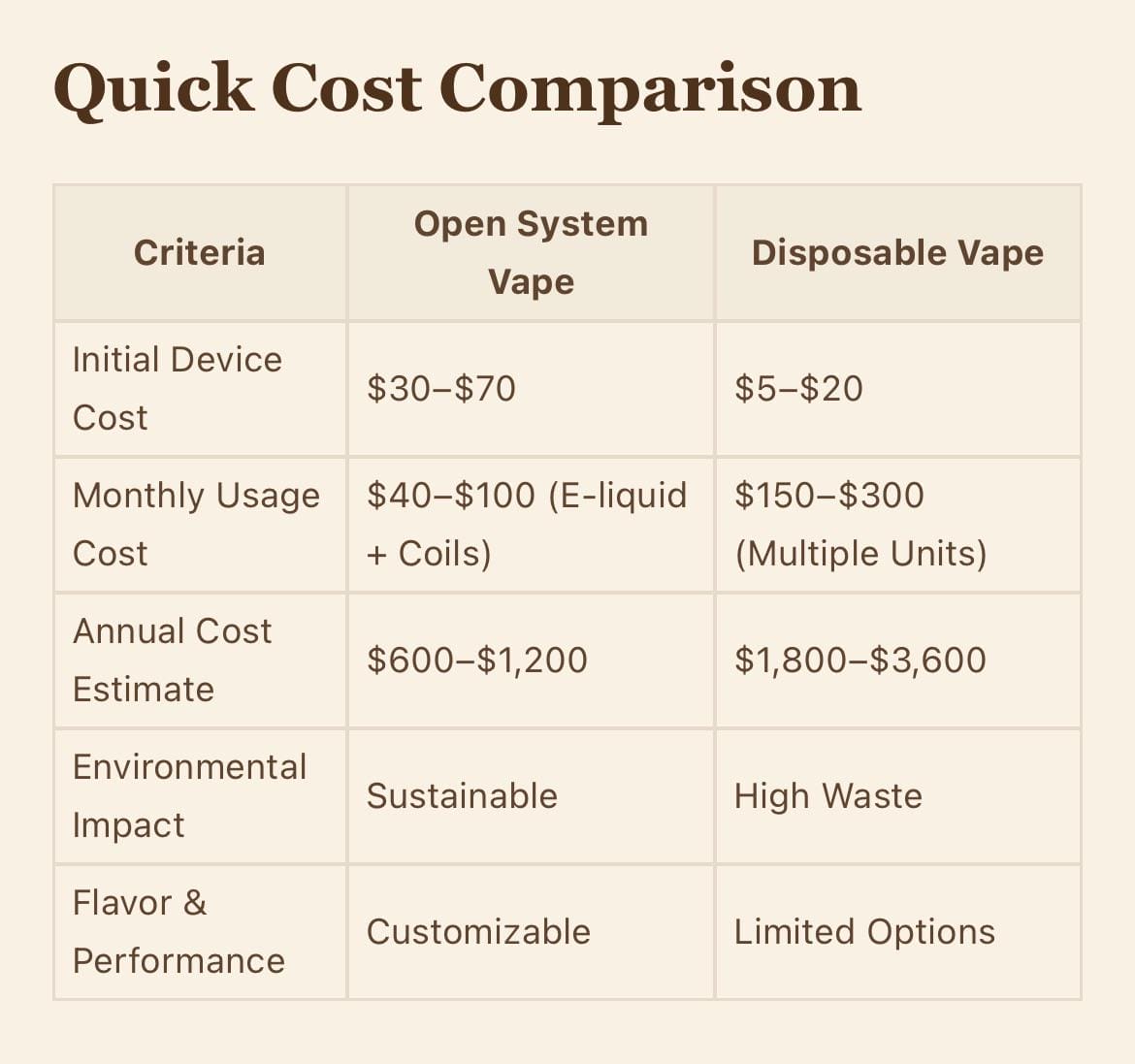
A side-by-side comparison image depicting a disposable vape device and a refillable pod system, highlighting their differences in use.
Long-Term Running Costs
Single-use devices carry a recurring cost with every purchase. While an individual disposable may seem accessible upfront, replacing a 9,000 or 10,000-puff bar every few weeks becomes substantially more expensive over 12 months than maintaining a refillable system. Open pod kits (such as the Vaporesso XROS or Argus series) require an initial hardware investment, but replacement pods and bottled e-liquids yield a significantly lower ongoing cost per millilitre.
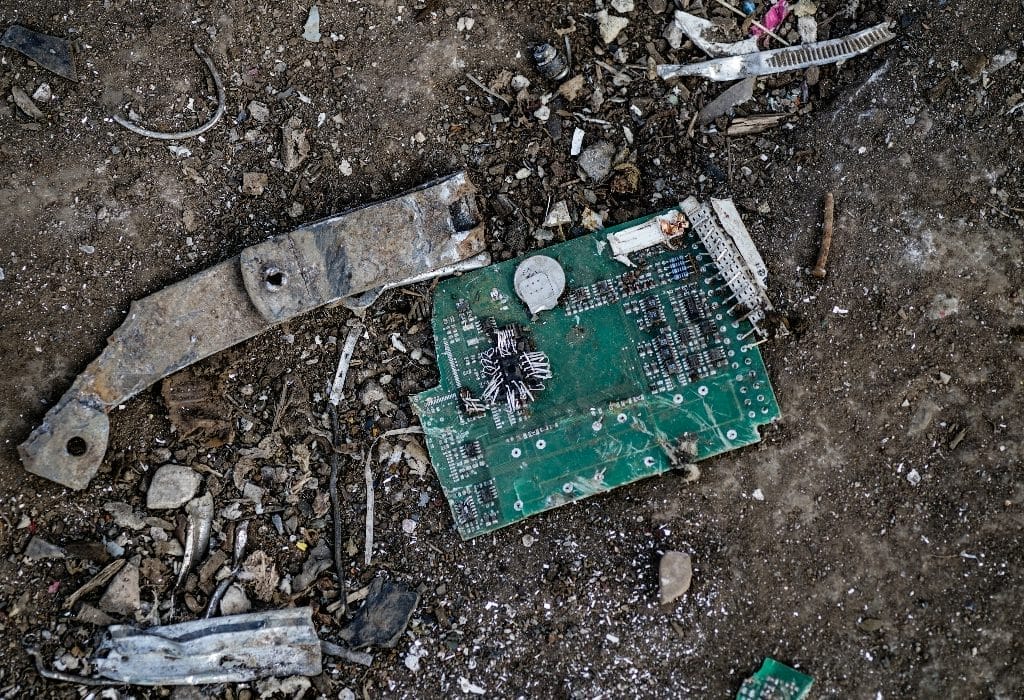
Environmental Impact and E-Waste
The environmental toll of non-rechargeable, high-capacity disposables is a growing concern. Every discarded ALIBARBAR or UMIN device contains:
A pile of discarded disposable vapes representing electronic waste in a landfill or recycling facility, illustrating environmental impact.
- A large, high-capacity lithium-ion battery (2,400 mAh to 2,700 mAh).
- Structural plastics, silicones, and aluminium chassis elements.
- Electronic circuitry and internal wiring.
When disposed of in household rubbish, these cells end up in landfill, representing a waste of finite battery minerals and creating fire hazards for municipal waste management. Refillable pod systems, by contrast, use rechargeable batteries that can be recharged hundreds of times, confining waste primarily to small, replaceable plastic pods or coils.
Navigating Australian Regulations and Responsible Battery Disposal
Adult consumers in Australia must navigate specific legal and environmental responsibilities when purchasing and retiring vaping products.
The Therapeutic and Regulatory Framework
In Australia, all nicotine-containing vaping products are governed by strict federal and state legislation overseen by the Therapeutic Goods Administration (TGA). Nicotine vapes are regulated as prescription or pharmacy-managed therapeutic goods designed exclusively for smoking cessation and nicotine dependence management.
Consumers should ensure they source products through compliant, legal pathways under medical guidance, rather than relying on unregulated consumer retail markets where ingredient quality and battery safety standards may not be independently validated.
Safe Battery Recycling
Because both the ALIBARBAR INGOT and UMIN SLICKPLUS house high-density lithium-ion batteries, they must never be thrown into general kerbside rubbish or standard recycling bins.
To dispose of single-use devices safely in Australia:
- Store Safely: Keep depleted units in a cool, dry place away from flammable materials until you can transport them.
- Locate a Dedicated E-Waste Drop-Off: Take spent devices to recognised battery recycling drop-off points, available at many major supermarkets, hardware retailers, and local council community recycling centres (CRCs).
- Never Puncture or Crush: Do not attempt to pry open metallic casings (especially the heavy alloy shells of the ALIBARBAR INGOT) to extract internal components, as puncturing a lithium-ion cell can cause thermal runaway and fire.
Conclusion: Matching Hardware to Your Priorities
The choice between ALIBARBAR and UMIN highlights two distinct trajectories in modern disposable vape development:
- Choose ALIBARBAR if you value premium industrial design, solid metallic construction, and the practical transparency of an integrated battery and e-liquid LED monitor.
- Choose UMIN if you prioritise lightweight portability, an unobtrusive pocket footprint, and maximum rated puff output without unnecessary visual displays.
Whichever design philosophy suits your routine, adult users should always balance the out-of-the-box convenience of disposable hardware against the superior cost efficiency of refillable pod kits, ensure full compliance with Australian pharmacy and medical regulations, and commit to responsible battery recycling at designated collection points.