
Why Are Some Disposable Vapes Tall and Slim While Others Are Short and Wide? Disposable Vape Design Explained (2026)

Why Are Some Disposable Vapes Tall and Slim While Others Are Short and Wide? Disposable Vape Design Explained (2026)

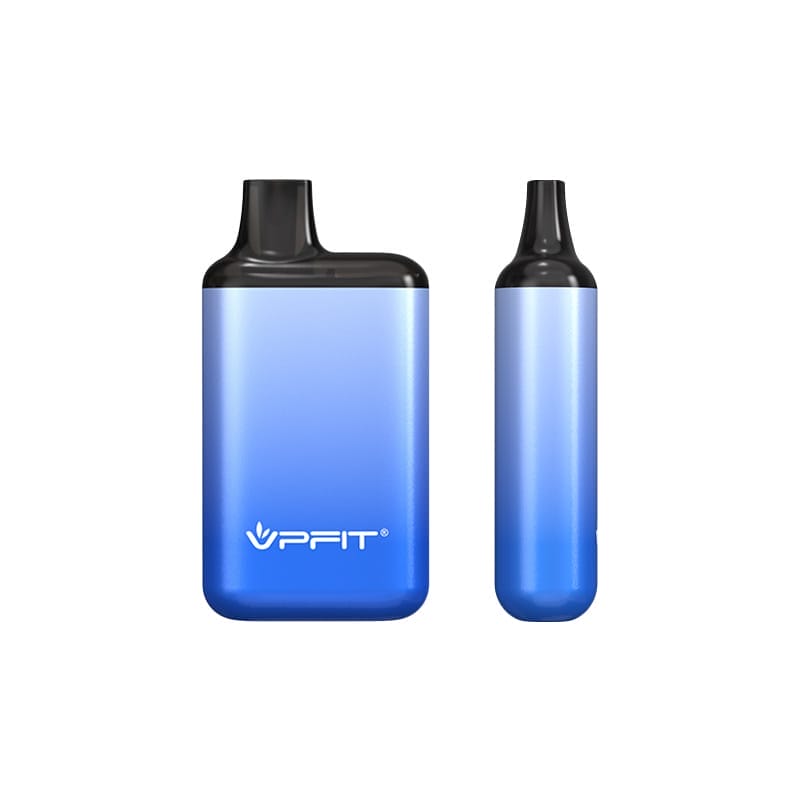
A collection of various disposable vapes, featuring both tall, slim pen-style designs and shorter, wider box-style designs, showcasing the diversity in their physical shapes.
Walk into any specialised tobacconist or browse an adult vaping catalogue, and you will immediately notice an incredible variety of physical hardware. Some devices resemble sleek, elongated writing pens, whereas others take on the squarish, palm-sized shape of a mini hip flask. When evaluating modern disposable vape design, vape shape, slim vape convenience, and compact vape battery life, it quickly becomes clear that these visual differences are not purely decorative. Every curve, width, and height measurement is the direct result of deliberate internal engineering and user ergonomics.
The physical format of a disposable device reflects a careful balancing act between e-liquid storage, battery capacity, thermal management, and added circuitry. Understanding why manufacturers choose a tall, slender silhouette over a short, broad chassis provides clear insight into how modern hardware functions and what each format is engineered to deliver.
The Foundation of Form: Linear Stacking vs Side-by-Side Packaging
At its simplest, every disposable vaping device contains four fundamental components: an e-liquid reservoir, a heating element (coil), a power source (battery), and an airflow sensor or firing circuit. The way an engineer chooses to arrange these four elements inside the casing dictates the outer proportions of the device.
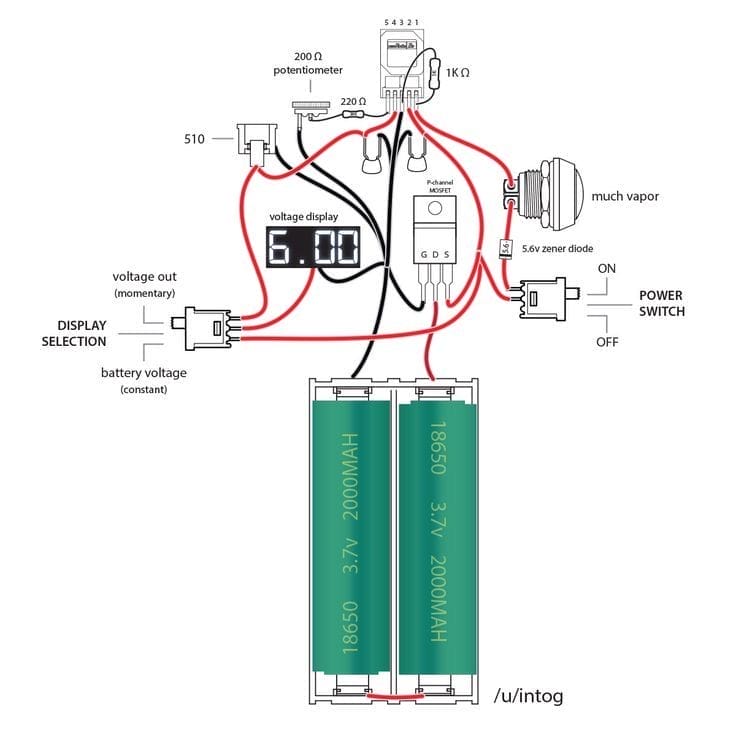
An illustrative cross-section diagram showing the internal components of a disposable vape, comparing a linear vertical stack in a pen-style vape with a parallel, side-by-side arrangement in a box-style vape.
Linear (Tall & Slim):
[ Mouthpiece ] -> [ Coil & Reservoir ] -> [ Cylindrical Battery ] -> [ Sensor Base ]

Side-by-Side (Short & Wide):
[ Mouthpiece ]
[ Reservoir ] | [ Battery & PCB / Screen ]
[ Base & Airflow / USB-C Port ]
The Linear Column Approach
Tall and slim devices rely on a linear internal architecture. The airflow sensor sits at the base, the cylindrical battery rests directly above it, the coil and e-liquid chamber sit on top of the battery, and the mouthpiece caps the entire assembly.
Because every core component is stacked vertically along a single axis, the outer diameter can remain narrow—often no thicker than a standard ballpoint pen or a cigarillo. However, this vertical stack comes with physical limitations: if you increase the length of the battery or enlarge the reservoir, the device quickly becomes impractically tall.
The Parallel Chassis Approach
Short and wide devices solve the vertical height problem by arranging the primary components in parallel. Instead of stacking the tank on top of the battery, engineers place the battery cell side-by-side with the e-liquid chamber.
By splitting the internal real estate horizontally, the overall height is cut virtually in half while keeping the overall volume identical or significantly larger. This parallel arrangement produces the familiar rectangular, boxy profile seen across high-capacity devices.
Internal Architecture: How Battery Placement Dictates Vape Shape
The type and dimensions of the internal battery cell play the single largest role in dictating the final shape of any disposable chassis.
Cylindrical Cells in Slender Tubes
Slender stick-style vapes almost universally house cylindrical lithium-ion cells. These batteries are manufactured in fixed diameters, allowing them to slide neatly into extruded aluminium or plastic tubing.
A collection of various disposable vapes, featuring both tall, slim pen-style designs and shorter, wider box-style designs, showcasing the diversity in their physical shapes.
Because cylindrical cells require structural casing to maintain their circular form, their diameter determines the absolute minimum width of the device. To keep the pen slim and pocket-friendly, manufacturers must use relatively short cylindrical cells. This naturally limits the total electrical energy stored within the device, making slim pens ideal for moderate, short-term usage rather than extended longevity.
Prismatic and Pouch Cells in Box Profiles
Wider, box-style units generally utilise flat lithium-polymer pouch cells or squarish prismatic batteries. These cells are shaped like small rectangular slabs rather than cylinders.
Pouch cells offer two distinct engineering advantages:
- Space Efficiency: Rectangular cells fill the corners of a boxy enclosure without leaving empty gaps, maximising internal battery volume.
- Flexible Dimensions: Manufacturers can customise the width and thickness of a pouch cell to sit flush against an internal juice tank, creating a stable, handheld unit that does not wobble when placed upright on a flat surface.
E-Liquid Capacity: The Trade-Off Between a Slim Vape and High Puff Counts
E-liquid volume is directly tied to the total surface area and internal volume of the casing. As consumer preferences have shifted towards long-lasting hardware, the physical dimensions of disposable chassis have adapted accordingly.

A visual comparison demonstrating the difference in e-liquid capacity, showing a tall, slim vape with a small internal e-liquid reservoir and a short, wide vape with a significantly larger e-liquid tank.
- FORM FACTOR COMPONENT COMPARISON
- Feature — | Tall & Slim (Pen Style) — | Short & Wide (Box Style)
- Component Layout — | Vertical / Linear stack — | Parallel / Side-by-side
- Battery Cell Type — | Compact cylindrical — | Flat pouch or prismatic
- Reservoir Volume — | Low to moderate — | Moderate to very large
- Recharging Circuitry | Rarely included — | Standard (USB-C)
- Advanced Interfaces — | Minimal / Base LED only — | Digital display screens
- Airflow Pathway — | Narrow, direct MTL — | Wide, often dual-channel
- Primary Benefit — | Maximum pocket stealth — | Longevity and consistency
Volume Constraints in Slender Enclosures
A slim pen with an external diameter of roughly 10 to 15 millimetres has very little internal room to spare. Once the central airflow tube, cotton wick, and heating coil are positioned inside the reservoir, only a modest amount of e-liquid can be housed before the device becomes awkwardly long.
If an engineer attempted to install a large e-liquid reservoir into a slender pen while retaining the necessary battery capacity, the resulting device would measure 25 to 30 centimetres in length. This would be entirely impractical to carry in a pocket or bag.
Expanding Capacity Horizontally
Widening the chassis allows engineers to expand the reservoir outward rather than upward. A wider, box-style frame can easily accommodate deep, multi-compartment e-liquid reservoirs without adding to the vertical profile.
This horizontal space also allows for improved wicking materials and larger internal fluid sponges, ensuring that the atomiser remains consistently saturated throughout the lifespan of the device.
Modern Features: Why a Compact Vape Needs a Wider Body for Added Tech
Modern disposable hardware frequently integrates advanced electronics that extend far beyond a basic heating coil and battery. These added technological features require additional surface area and circuit board space that simply cannot fit inside a narrow tube.
Digital Displays and Monitoring Chips
Many contemporary disposables feature full-colour smart screens, numeric battery percentage readouts, and active e-liquid indicators.
- A printed circuit board (PCB) equipped with a microchip controller and an LED/LCD matrix requires a broad, flat surface.
- A curved, narrow pen casing cannot comfortably support a flat display screen without significantly increasing the diameter into an awkward, bulky tube.
- Rectangular box designs provide broad front and rear panels, creating the ideal canvas for informative screens and diagnostic graphics.
Integrated Charging Ports and Power Regulators
Because high-capacity reservoirs outlast a single battery charge, modern devices require built-in USB-C recharging ports and power regulation chips.
- A standard USB-C female port measures approximately 8.34 mm wide by 2.56 mm high, excluding the supporting circuit board.
- Fitting a USB-C port, protective charging diodes, and heat-dissipating solder pads into the base of a slim pen is technically challenging and often compromises structural integrity.
- In contrast, the wider base of a box-style device easily accommodates a reinforced charging port alongside manual airflow control switches and diagnostic indicator lights.
Dual-Mesh Coils and Complex Heating Arrays
To maintain consistent flavour delivery across thousands of draws, advanced devices frequently incorporate dual-core heating systems or alternating mesh coils.
- Dual coils require a wider central chimney to ensure proper thermal dissipation and prevent hot spots.
- The broad internal geometry of a short, wide device provides ample room for twin airflow channels, dual wicking chambers, and multi-stage power switching components.
Airflow Dynamics and Vapour Delivery
The physical shape of a vape directly impacts the internal air path, which in turn influences the draw resistance, vapour temperature, and flavour profile.
Narrow Pen Draw (Restricted MTL):
[Mouthpiece] <== [Tight Chimney] <== [Single Micro-Coil] <== [Base Pin-Hole]

Wide Box Draw (Smooth, High-Flow):
[Wide Tip] <==== [Expanded Chimney] <==== [Dual Mesh Array] <==== [Adjustable Base Valve]
Straight, Narrow Pathways in Pen Vapes
In a tall, slim device, air enters through tiny pinholes at the base, travels directly over the battery, passes through a tight heating coil, and exits out a narrow mouthpiece.
An internal diagram illustrating the airflow dynamics within disposable vapes, contrasting a narrow, straight mouth-to-lung (MTL) airflow path in a pen-style vape with a wider, potentially dual-channel direct-to-lung (DTL) airflow path in a box-style vape.
- This straight, constrained pathway creates a restricted mouth-to-lung (MTL) draw that closely mimics traditional smoking.
- Because the chimney diameter is narrow, vapour moves quickly to the mouth with minimal air mixing, delivering a concentrated, warm sensation.
Expanded Chimneys and Air Mixing in Box Vapes
Short and wide devices have sufficient internal width to route air through sophisticated, baffled pathways or adjustable control rings.
- The shorter overall distance from the heating chamber to the mouthpiece reduces condensation build-up inside the chimney.
- A broader central chimney allows for higher airflow volumes, cooling the vapour generated by high-wattage mesh coils and producing a smoother, denser draw.
Ergonomics, Discretion, and Tabletop Stability
Beyond internal hardware, manufacturers design device silhouettes around user behaviour, tactile preference, and daily carrying habits.
The Appeal of the Tall, Slim Silhouette
- Discretion: Pen-style devices are exceptionally easy to conceal within the palm or slip into a shirt pocket alongside everyday stationery.
- Lightweight Feel: With fewer heavy circuit boards and smaller batteries, slim devices weigh significantly less, making them effortless to hold between two fingers.
- Familiarity: For individuals transitioning away from combustible products, the round, elongated feel of a pen closely mirrors the tactile experience of a traditional cigarette.
The Appeal of the Short, Wide Silhouette
- Secure Grip: Box-style hardware fits naturally into the closed palm, distributing its weight across the hand rather than resting on the fingertips.
- Pocket Comfort: While wider, a short device sits lower in trouser pockets, preventing the awkward poking and leverage strain often experienced with long, rigid pens when sitting down.
- Tabletop Stability: Tall, round pens frequently roll off desks or topple over when placed upright. A short, wide box features a flat, stable base that stands upright securely on any flat surface, keeping the mouthpiece elevated away from dust and debris.
The Natural Evolution of Device Geometry
Ultimately, the choice between a tall, slim vape and a short, wide unit comes down to architectural purpose. Slender pen-style devices prioritise pure portability, lightweight handling, and discreet, simple operation with minimal added electronics. On the other hand, short and wide box-style devices are engineered for maximum battery efficiency, expanded liquid capacity, dual-coil performance, and informative digital interfaces.
As battery chemistry continues to advance and microchips become even smaller, the lines between these two form factors may blur. However, the fundamental laws of geometry remain unchanged: storing more liquid and electronics without creating an unwieldy, over-extended wand will always make the short, wide chassis a practical engineering standard.