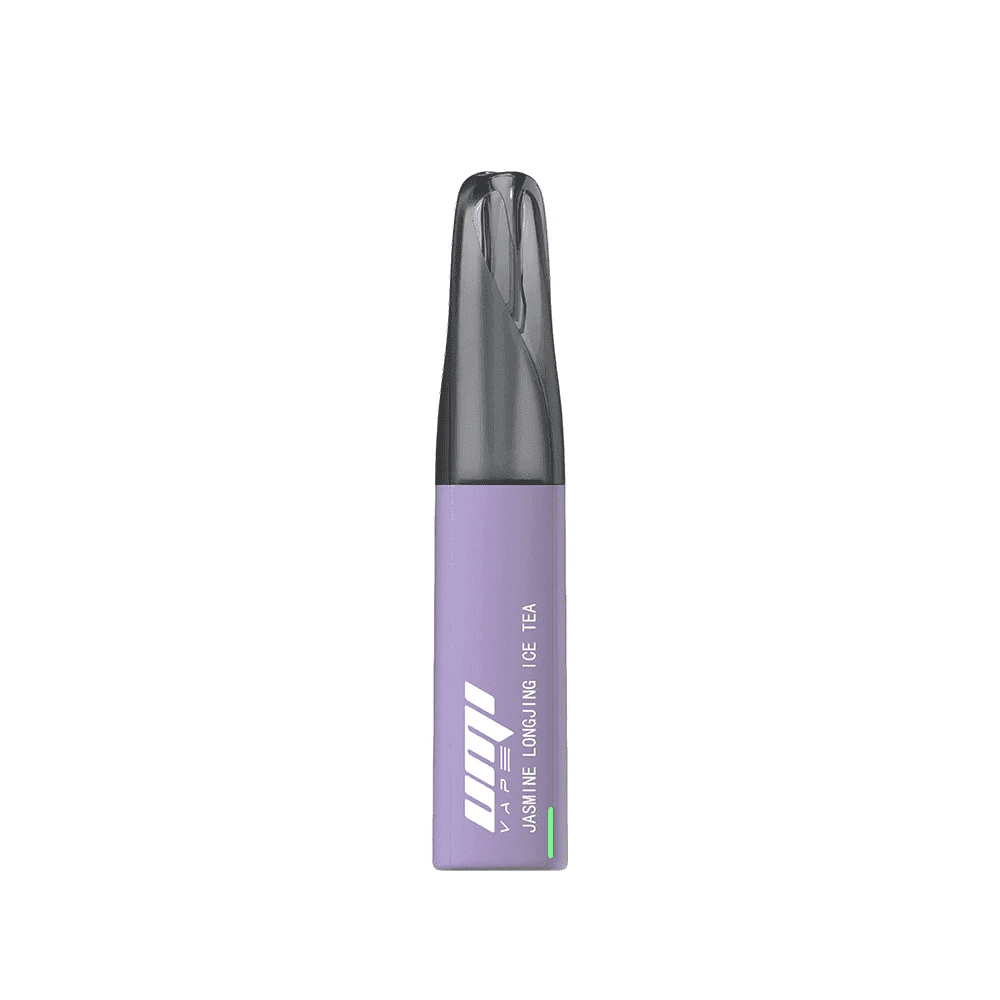
Does Mouthpiece Shape Change How a Disposable Vape Feels? 2026 Hardware Guide

Does Mouthpiece Shape Change How a Disposable Vape Feels? 2026 Hardware Guide
When discussing device performance, conversation usually gravitates towards battery capacity, internal resistance, or e-liquid formulations. Yet the physical interface between the device and the user—the vape mouthpiece—plays an equally decisive role in user satisfaction. How a disposable vape mouthpiece rests against the lips dramatically alters the physical sensation of every draw, shaping everything from muscle tension around the jaw to basic tactile comfort. A device boasting sophisticated internals can feel clumsy or unpleasant if the tip is poorly designed. Understanding how mouthpiece shape vape options influence the vape draw feel and overall vape comfort helps demystify why two devices with identical internal specifications can provide completely different user experiences.
Hardware engineering has shifted towards refined user ergonomics as of October 2026. Rather than relying on simple cylindrical tubes, manufacturers continually refine the contours, tapers, and materials of their tips. This guide explores the mechanical and tactile factors at play, detailing how profile geometry, internal channel bore, and material composition dictate the daily feel of a disposable vape.
The Ergonomics of Vaping: Why the Mouthpiece Dictates the Draw
The human mouth is exceptionally sensitive to texture, pressure, and temperature. When placing a device between the lips, sensory feedback is immediate. A poorly contoured tip forces the facial muscles into an unnatural position, which can cause subtle fatigue over an extended session. Conversely, an ergonomic mouthpiece accommodates the natural resting posture of the mouth, allowing for effortless inhalation.
Beyond sheer muscular comfort, the external shape determines how easily you form a seal. A stable seal is necessary to engage the draw-activated pressure sensors found on modern disposable devices. If a tip is too wide or awkwardly squared off, outside air can bleed in around the corners of the mouth, reducing the consistency of the intake. A natural, snug fit ensures that the user exerts minimal effort to initiate and sustain a smooth draw.
Furthermore, physical design acts as a buffer against tooth contact. Hard, boxy edges can tap uncomfortably against the teeth during use, whereas tapered or gently rounded profiles fit comfortably within the mouth, minimising unexpected contact and providing a far more relaxed experience.
Comparing Contours: How Profile Shapes Alter Vape Comfort
Over the years, disposable hardware has introduced several prominent shapes, each presenting distinct tactile attributes and lip positions.
- Profile Type — | Natural Lip Placement — | Draw Style Tendency — | Primary Comfort Benefit
- Tapered Duckbill — | Wide, flat, low muscle tension — | Controlled mouth-to-lung intake — | Natural resting fit, zero tooth clack
- Cylindrical Bore — | Puckered, traditional smoke feel — | Restricted to moderate intake — | Familiar form factor for switchers
- Wide Whistle-Tip — | Flatter seal, shallow depth — | Balanced, smooth airflow — | Minimal jaw strain, stable resting
- Flared Concave — | Centred, contoured lock — | Direct, consistent channel — | Guided placement, effortless seal
The Tapered Duckbill Profile
The duckbill contour remains one of the most widely adopted formats in modern hardware, including high-capacity disposables such as the ELFBAR Raya series, which is engineered with lip-conforming curves to support its long-lasting, multi-thousand puff lifespan. By flattening the tip towards the end, this design mirrors the natural horizontal split of resting lips. Users do not need to pucker their mouth aggressively to create a closed seal. This reduces tension in the orbicularis oris muscle, allowing for a gentle, natural draw that feels unobtrusive throughout the day.
The Traditional Cylindrical Tip
Cylindrical mouthpieces mimic the classic dimensions of traditional roll-your-own or tailored cigarettes. For individuals transitioning from smoking, this familiar shape offers comforting muscle memory. However, round barrels require a tighter, circular lip contraction to seal properly. If the diameter is too large, the mouth can feel stretched, which makes round tips best suited to compact, low-profile disposables.
The Whistle-Tip and Contoured Flats
Whistle-tips feature a noticeable dip or saddle that contours to the curve of the lips before flaring slightly at the very edge. This architectural ridge gives the lips a secure purchase point, preventing the unit from sliding forward or backward during use. It offers exceptional stability, ensuring the device remains firmly in place without requiring bite pressure.
Internal Bore Diameter and the Mechanics of Vape Draw Feel
While the exterior contour dictates lip placement, the interior bore—the hollow chimney running through the tip—dictates internal air velocity and thermal dissipation. The external shape and the internal bore work in tandem to establish the total sensation of the draw.
A narrow internal bore compresses the vapour path, providing higher draw resistance. This setup is particularly effective for those who prefer a concentrated, warm sensation against the tongue. Because the opening is small, vapour moves in a focused stream towards the palate.
In contrast, a wide internal bore allows vapour to disperse across a broader area before entering the mouth. This softens the throat hit and cools the vapour down, resulting in a lighter, airier pull. If a manufacturer pairs an ultra-thin duckbill exterior with an overly wide internal bore, the structural walls become very thin, which can lead to rapid heat transfer. The most comfortable devices strike an intentional balance between internal airflow dimensions and external wall thickness.
Material Composition: Rigid Plastics Versus Soft-Touch Finishes
Geometry is only half of the ergonomic equation; the substance from which the tip is moulded changes how the device feels against the lips.
Polycarbonate and Standard Acrylics
Most entry-level and mid-range disposables utilise rigid, food-grade plastics like polycarbonate (PC) or acrylonitrile butadiene styrene (ABS). These materials are durable, cost-effective, and easy to manufacture with high precision. They provide a smooth, firm surface that resists scratches. On the downside, rigid plastics can feel cold initially and provide zero cushioning if bumped against the teeth, which can be jarring.
Soft-Touch Thermoplastic Polyurethane (TPU) and Silicone
To elevate the tactile experience, newer hardware iterations often incorporate food-grade silicone or thermoplastic polyurethane (TPU). These rubberised finishes provide a softer, pliable surface that gently yields under slight lip pressure. For users who habitually hold their device lightly between their lips, soft-touch materials prevent slipping and protect against accidental tooth strikes. The slight grip of silicone also means users do not need to bite down to steady the device, further reducing facial strain during prolonged sessions.
Thermal Behaviour: How Mouthpiece Shape Vape Design Manages Heat
Every time a vape coil fires, it produces heat alongside vapour. The distance from the atomiser coil to the lip exit, combined with the volume of plastic in the tip, determines how much heat reaches the user.
A short, stubby mouthpiece places the lips very close to the internal heating element. If the tip lacks sufficient mass, continuous draws can cause the plastic to warm up uncomfortably. Well-designed mouthpieces solve this thermal challenge in two ways:
- Extended Vapour Path: Slightly taller, tapered tips allow the vapour a brief split-second to cool down before contacting the mouth, preserving comfort across consecutive puffs.
- Thermal Mass and Heat Sinking: Thicker walls around the base of the mouthpiece absorb and dissipate excess warmth away from the exit aperture, ensuring the surface resting against the lips stays at a neutral, ambient temperature.
When evaluating a device, notice how warm the surface becomes during consecutive draws. An ergonomic profile that overheats quickly loses its appeal, making smart thermal dissipation a core pillar of thoughtful hardware design.
Maintenance and Hygiene: Keeping Contoured Tips Clear
The more intricate an ergonomic mouthpiece is, the more attention it requires to stay clean and functional. Tapered shapes and narrow internal channels can collect pocket lint, dust, and natural e-liquid condensation over time.
When lint or condensation accumulates within the chimney, it can impede airflow, causing uneven draw resistance. More frustratingly, condensed droplets that linger in the upper tip can be pulled into the mouth during an inhalation, resulting in unpleasant spit-back.
To keep a contoured mouthpiece performing properly, adopt these straightforward hygiene habits:
- Perform Regular Swabs: Take a dry cotton bud and gently rotate it down the internal chimney once or twice a week to remove accumulated condensation and lint.
- Inspect the Bore: Hold the device up to a light source periodically to check that the vapour channel is clear of debris.
- Keep Pockets Clean: If carrying a disposable in a pocket or bag, ensure the tip is shielded from loose debris, or use a silicone dust cap if one was provided with the hardware.
Taking a few seconds to maintain the vapour channel ensures the draw resistance remains consistent and the physical mouthpiece stays clean.
Australian Regulatory Context and Hardware Quality Standards
For consumers across Australia, purchasing vaping hardware involves navigating a distinct legal landscape. Australia maintains a strictly regulated access model overseen by the Therapeutic Goods Administration (TGA). Under these laws, vaping goods containing nicotine are restricted to therapeutic, pharmacy-only pathways intended specifically for smoking cessation or managing nicotine dependence.
These strict standards extend directly to manufacturing quality. Therapeutic-grade devices supplied through licensed Australian pharmacies must satisfy rigorous technical orders regarding material purity, electrical safety, and design integrity. When considering the mouth-feel and build of a vape mouthpiece, pharmacy-supplied hardware offers the assurance of compliant, medical-grade plastics free from hazardous compounds or volatile phthalates.
Consumers should always consult a registered Australian healthcare practitioner or community pharmacist when seeking therapeutic hardware. Discussing your draw preferences—such as whether you prefer a tight, cigarette-style cylinder or a relaxed, ergonomic contour—with a qualified health professional ensures that your prescribed cessation device supports your goals comfortably and safely.
Finding the Right Match for Your Inhaling Style
The shape of a disposable vape mouthpiece is far more than an aesthetic styling choice. It is the primary point of contact that determines how naturally a device fits your mouth, how easily its sensor triggers, and how comfortable your jaw muscles remain over regular use.
If you prefer a tight, structured draw that closely mirrors the muscle mechanics of a traditional cigarette, a classic cylindrical or narrow contoured tip will likely feel most familiar. If you prefer a relaxed, effortless hold that minimises tension during quiet moments at home, a broad, tapered duckbill profile or a soft-touch TPU finish will provide a noticeably more comfortable experience. By paying close attention to exterior contours, internal chimney dimensions, and surface materials, you can select hardware that feels completely natural from the very first puff.