Why Consumers Stick to Familiar Vape Brands: Vape Brand Loyalty, Brand Preference, and the Hidden Costs of Switching Brands

Why Consumers Stick to Familiar Vape Brands: Vape Brand Loyalty, Brand Preference, and the Hidden Costs of Switching Brands
Walk into any tobacconist, licensed pharmacy, or specialty shop, and the sheer volume of choices on display can be overwhelming. Yet, despite an endless stream of sleek product releases, colourful packaging, and novel flavour combinations, a fascinating behavioural pattern dominates the market: most adult consumers buy the exact same product week in, week out. When exploring modern vape brands, vape brand loyalty quickly emerges as one of the strongest retention phenomena in FMCG retail. Understanding what drives this deep brand preference, and why regular consumers feel such intense hesitation around switching brands, reveals a complex mix of sensory conditioning, mechanical habit, and practical switching barriers.

An adult consumer standing in a well-stocked vape shop, looking at a wall of various vape devices and e-liquids on display, reflecting the overwhelming choices.
Human beings are creatures of comfort, particularly when an everyday habit intersects with sensory satisfaction and physical routine. When a consumer finds a device and e-liquid combination that works reliably, wandering away from that tested experience introduces unnecessary friction and risk.
- Device Type / Ecosystem | Upfront Investment | Proprietary Lock-In | Sensory Risk When Switching
- Closed Pod Systems — | Low to Moderate — | High — | Moderate
- Open Refillable Tanks — | Moderate to High — | Low to Moderate — | High
- Pre-filled Disposables — | Low — | None — | High
The Sensory Anchor: How Flavour Consistency Solidifies Vape Brand Loyalty
The primary reason consumers maintain deep loyalty to specific products comes down to sensory predictability. Vaping is fundamentally an inhalation experience where taste, temperature, vapour density, and throat hit converge in fractions of a second. Unlike buying a different brand of soft drink or potato crisps, where an underwhelming purchase merely disappoints your afternoon snack, buying an unpalatable e-liquid or a harsh device can ruin someone's daily routine entirely.
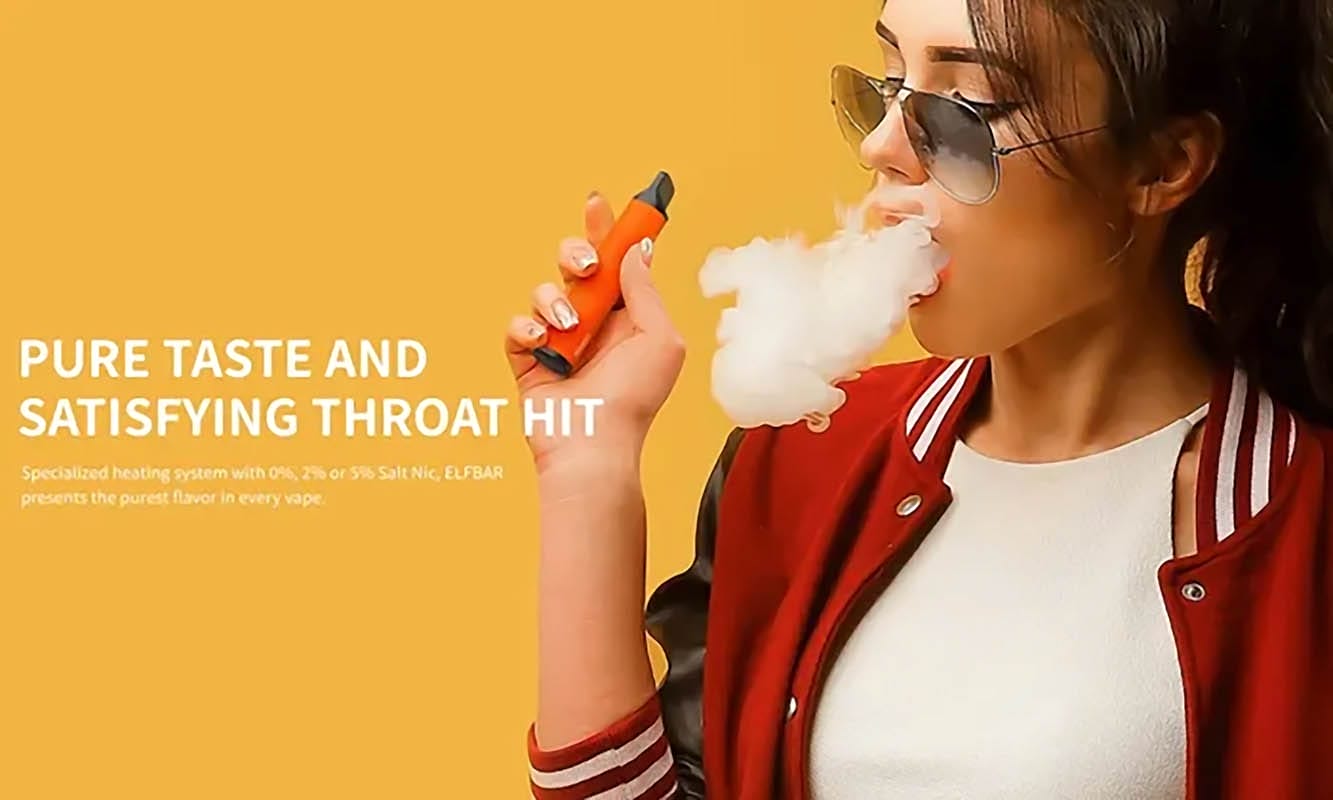
A person exhaling vapor from a vape device, with a serene expression, illustrating the enjoyment of a predictable and satisfying sensory experience like consistent flavor and smooth draw.
The Chemistry of Taste Profiles
E-liquid recipes are intricate aromatic formulations, frequently blending dozens of distinct flavouring compounds, sweeteners, and cooling agents. Two formulations labelled with the exact same general name—such as crisp apple or spearmint—can taste completely different depending on the underlying concentrates, acidity, and sweetener balance. Once an individual's palate adapts to a specific recipe, alternative interpretations from competing manufacturers often taste synthetic, cloying, or completely unappealing.
Nicotine Delivery and Inhalation Dynamics
Beyond taste, the smoothness of the draw is critical. The ratio of vegetable glycerine (VG) to propylene glycol (PG), combined with specific nicotine salt formulations, determines how the aerosol feels upon inhalation. A consumer accustomed to a gentle, velvety draw will find an alternative product with a sharper throat hit uncomfortable. This biological feedback loop creates an immediate sensory boundary: sticking with a known entity guarantees a satisfying sensation every single time, making trial of unfamiliar products feel like an avoidable gamble.
Hardware Ecosystems: Understanding Brand Preference and the Barrier to Switching Brands
Sensory attachment is only half the equation; mechanical ecosystems provide the physical architecture that keeps consumers locked in. Modern manufacturers intentionally design hardware that generates commercial stickiness through proprietary accessories, specialized coils, and tailored operating wattages.
| Device Ecosystem Type | Initial Upfront Investment | Proprietary Hardware Lock-In | Sensory Disruption Risk When Switching | Primary Consumer Incentive to Stay |
|---|---|---|---|---|
| Closed Pod Systems | Low to Moderate | High (Proprietary magnetic connections and cartridge shapes) | Moderate (Standardised output, but limited to official pod flavours) | Convenience, leak-proof design, zero maintenance requirements |
| Open Refillable Tanks | Moderate to High | Low to Moderate (Universal 510 threading, but brand-specific replacement coils) | High (Coil resistance, cotton wicking style, and wattage variances) | Customisable airflow, cost per millilitre savings, hardware durability |
| Simple Pre-filled Devices | Low per unit | None (No ecosystem investment required) | High (Vast variance in sweetener levels, draw tightness, and battery discharge) | Immediate usability, accessible retail presence, zero learning curve |
The Closed-Pod Retention Loop
Closed pod systems represent the classic "razor and blade" business model. The base battery device is often sold at an accessible price point, but the replacement pods rely on proprietary dimensions, pin layouts, and magnetic docks that do not work with any other brand's battery. Once an adult consumer purchases the starter kit, buying compatible pods is the path of least resistance. Abandoning the brand means writing off the initial device purchase and investing in entirely new charging cradles, batteries, and accessories.
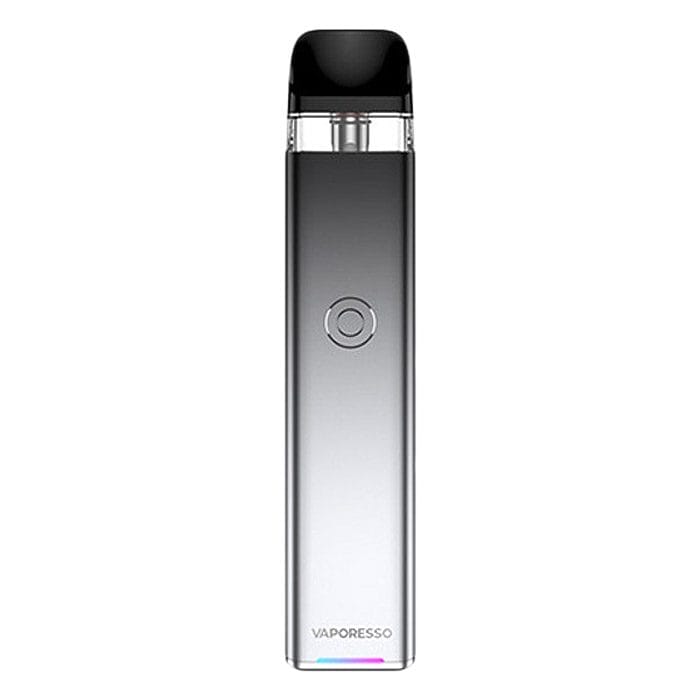
A closed pod vape device with its proprietary replacement pods laid out next to it, illustrating the
Coil Technologies and Airflow Mechanics
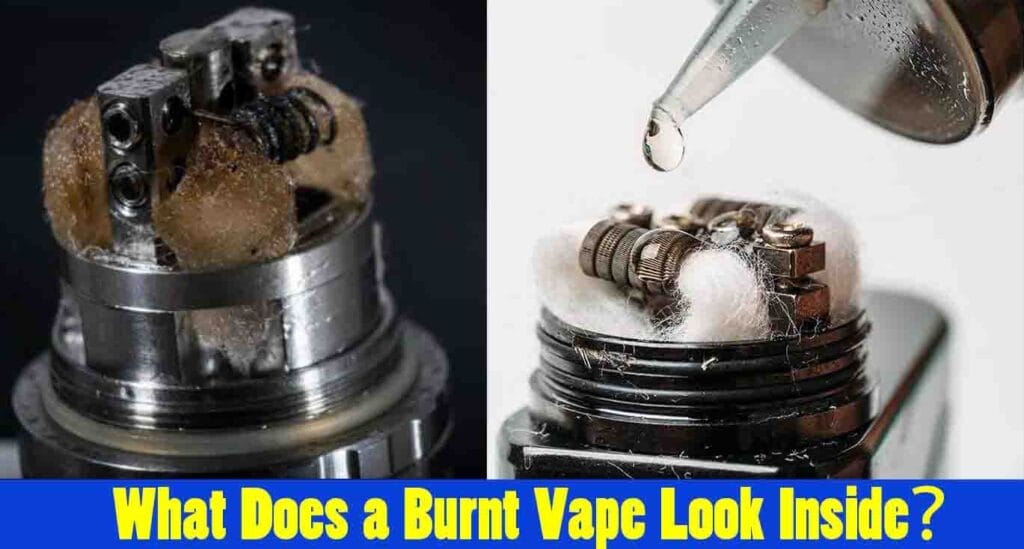
For users of open or refillable setups, hardware lock-in takes the form of replacement coil heads. Coil resistance, mesh architecture, and wicking materials heavily influence how e-liquid vaporises. One brand's proprietary dual-mesh coil might deliver instantaneous heating and dense vapour, whereas a competitor's standard ceramic coil delivers a cooler, muted draw. Because coils must physically fit the tank's inner chimney, moving to a rival brand requires replacing tanks, finding new coil suppliers, and recalibrating preferred wattage settings.
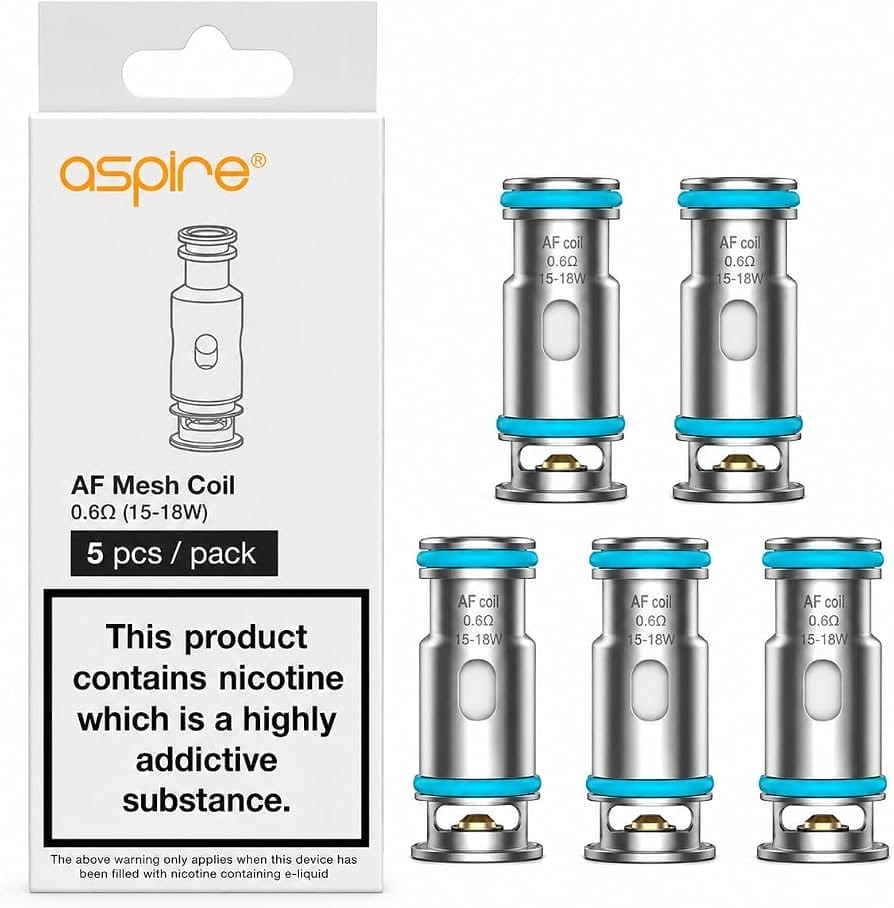
A close-up shot of various vape coil heads, highlighting different designs like mesh and standard coils, illustrating the proprietary nature and technology within them.
Consumer Psychology: Habit, Predictability, and the Reluctance to Explore New Vape Brands
Habit formation plays an immense role in day-to-day consumer choices. An everyday consumer reaches for their device dozens of times throughout the day, often unconsciously. That repeated physical interaction builds muscular and cognitive familiarity that makes change feel instinctively disruptive.
Trigger (Craving / Break / Routine)
               │
               ▼
Action (Muscle Memory: Draw, Weight, Mouthpiece)
               │
               ▼
Reward (Consistent Flavour & Smooth Throat Hit)
               │
               ▼
Reinforcement (Zero Regret / Zero Wasted Expenditure)
Muscle Memory and Tactile Ergonomics
The physical dimensions of a device—its weight, surface texture, button placement, and the exact contour of the mouthpiece—become deeply ingrained through daily use. Switching to a boxier chassis, an unfamiliar auto-draw sensitivity, or a differently shaped drip tip disrupts established motor patterns. What seems like a minor aesthetic difference on a retail shelf can feel awkward and unnatural in the hand of a habitual user.
Aversion to Wasted Expenditure
Economic risk aversion heavily reinforces repetitive buying behaviour. If a customer spends money on a bottle of e-liquid or a pack of replacement pods that they end up disliking due to poor flavour or leaking seals, that product is typically binned. Unlike electronics or clothing, opened consumable items cannot be returned to the retailer for a refund simply because the taste was not to the buyer's liking. Sticking with a proven favourite guarantees that every dollar spent delivers the expected utility, eliminating financial regret.
Retail Availability and Shelf Consistency
Even the most adventurous consumer will naturally gravitate back towards widely distributed options when convenience dictates their purchasing schedule. The physical retail footprint in Australia and abroad heavily dictates brand longevity.
The Power of Widespread Distribution
When an adult shopper needs replacement supplies during a busy work week, they rarely have the time to hunt across multiple specialty shops for niche boutique items. Dominant manufacturers secure extensive distribution networks across brick-and-mortar locations. Knowing that a specific replacement cartridge or liquid line is stocked at virtually every local retailer creates enormous logistical convenience.
Decision Fatigue at the Point of Sale
Modern retail environments present consumers with hundreds of vibrant labels, buzzwords, and complex technical specifications. After a demanding workday, navigating battery milliampere-hour (mAh) ratings, pod resistances, and obscure flavour descriptions creates cognitive fatigue. Asking the shop assistant for the usual item cuts through the clutter in seconds, streamlining the transaction and avoiding unnecessary mental effort.
An adult consumer looking overwhelmed and confused by a wall of brightly packaged vape products and technical descriptions in a retail store, illustrating decision fatigue.
How Manufacturers Defend Retention Through Continuous Iteration
Established companies are well aware that consumers occasionally crave novelty. If an individual gets tired of their daily e-liquid flavour, there is a risk they might explore a competitor's catalogue. To combat this wanderlust, major producers deploy deliberate product lifecycle strategies designed to satisfy curiosity under their existing brand umbrella.
Flavour Line Expansions and Seasonal Drops
Rather than letting customers look elsewhere when taste fatigue sets in, prominent manufacturers continually release complementary flavour variations, iced editions, and limited runs designed specifically for their existing hardware platforms. This satisfies the user's desire for an exciting new taste while keeping their spending entirely within the brand's proprietary ecosystem.
Incremental Hardware Refinements
Device makers also retain users by releasing backwards-compatible hardware upgrades. A new generation of a popular battery unit might introduce a more informative digital display, faster USB-C charging, or a larger battery cell, while remaining fully compatible with the customer's existing stock of pods or coils. This allows the consumer to enjoy an upgraded experience without discarding their accumulated accessories or learning a new operational interface.
Generational Differences in Brand Loyalty
While habit and mechanical barriers encourage loyalty, consumer demographics influence how tightly these preferences hold over time.
Older Demographics: Prioritising Reliability and Routine
Older adult consumers and ex-smokers generally exhibit the highest degree of brand stickiness. For this demographic, vaping serves primarily as a stable, hassle-free alternative to traditional combustible tobacco. They value dependability, clean performance, and ease of use above all else. Once they discover a device that does not leak and an e-liquid that satisfies their palate, they rarely see any reason to experiment with newer market entrants.
Younger Cohorts: Novelty vs Habit
Younger adult consumers tend to be more value-conscious and receptive to shifting social trends, making them more willing to sample newly launched form factors, digital screen interfaces, or hyped flavour releases. However, even amongst trend-seeking users, sensory and economic realities eventually assert themselves. After exploring experimental releases, many younger adults establish a reliable "home base" brand to which they consistently return for daily use.
What This Means for Consumers: Making Deliberate Choices
Recognising the psychological, sensory, and economic forces behind your daily purchasing habits empowers you to make smarter, more cost-effective decisions.
- Audit Your True Hardware Costs: If you are using a closed proprietary system, calculate how much you spend on pre-filled pods over a six-month period compared to an open, refillable tank system. The upfront cost of buying a new refillable kit is often recouped rapidly through lower ongoing liquid expenses.
- Sample Systematically: If you do decide to explore new flavour profiles or manufacturers, avoid buying bulk quantities immediately. Purchase individual small bottles or single packs to evaluate the throat hit, wicking performance, and sweetness before committing fully.
- Assess Device Dependability: Pay attention to how often your current hardware leaks, burns through coils prematurely, or suffers from battery degradation. Never let simple familiarity trap you into buying replacement supplies for a poorly engineered device that costs you more in wasted liquid over the long run.
- Keep a Reliable Backup: If you enjoy experimenting with different setups, always maintain a dependable, familiar backup device. Having a proven option on hand ensures you never find yourself stranded with a dry hit or an unpalatable draw when you need it most.
The Enduring Appeal of the Familiar
The tendency for consumers to stick resolutely to specific products is neither an accident nor mere apathy. It is the natural outcome of powerful sensory conditioning, deliberate hardware engineering, and a sensible desire to avoid financial waste. When a specific product reliably delivers the flavour, draw resistance, and dependable performance you expect every single day, the perceived benefit of exploring something new rarely outweighs the comfort of a proven routine. As technology advances and retail environments evolve, the fundamental human preference for familiarity, reliability, and ease of use will continue to anchor consumer decisions across the market.