Vape vs Cigarettes: What’s the Real Difference Between Smoking and Vaping?

Vape vs Cigarettes: What’s the Real Difference Between Smoking and Vaping?
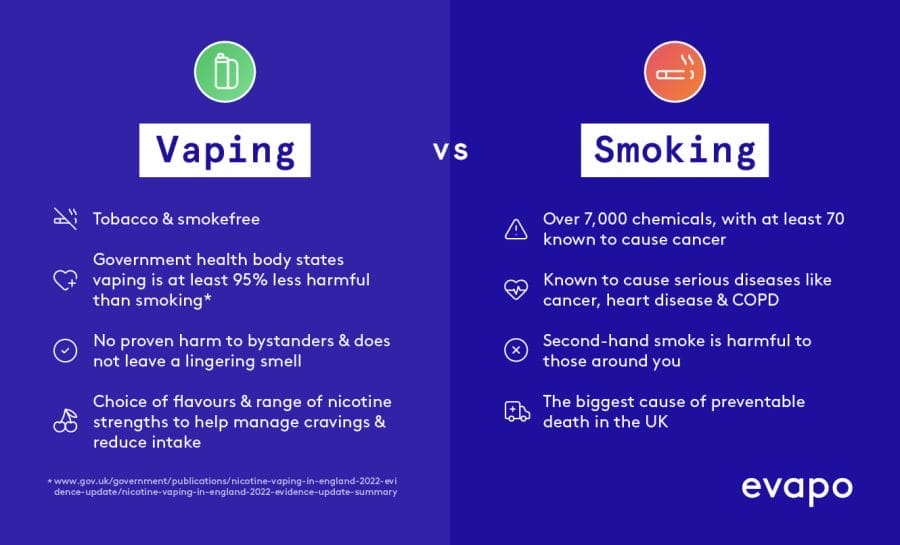
An infographic or image visually contrasting a traditional cigarette with a modern vaping device, highlighting their fundamental differences.
For decades, traditional combustible tobacco was the standard method for inhaling nicotine, but the rapid emergence of electronic nicotine delivery systems has reshaped the landscape entirely. When assessing the debate of vape vs cigarettes, many people wonder how these two practices actually differ under the hood. While both deliver nicotine to the bloodstream through inhalation, their underlying mechanisms, chemical outputs, sensory profiles, and physiological impacts are fundamentally distinct.
Understanding the difference between smoking and vaping is essential whether you are looking to understand harm minimisation, curious about how these devices operate, or evaluating the differences in everyday use. This comprehensive breakdown explores the mechanics, ingredients, user experience, and passive exposure factors that define both methods.
Combustion vs Aerosolisation: The Fundamental Mechanism
The primary distinction between smoking and vaping lies in how the active compounds are transformed into an inhalable state. One process relies entirely on fire and combustion, whereas the other relies on thermal aerosolisation powered by a battery.
How Traditional Cigarettes Work
A standard combustible cigarette consists of cured, finely shredded tobacco leaves rolled in thin paper, often accompanied by a cellulose acetate filter at one end.
- Combustion: When you light the tip of a cigarette, the tobacco burns at temperatures ranging from approximately 600°C when resting to over 900°C during an active puff.
- Pyrolysis and Smoke Formation: This high-temperature burning decomposes the organic plant matter, creating smoke. Smoke is an intricate mixture of solid particulate matter, hot gases, and vaporised volatile compounds.
- Inhalation: The user inhales this smoke directly through the filter into the lungs, where the alveolar capillaries rapidly absorb the vaporised nicotine along with combustion byproducts.
How Vaping Devices Work
Electronic cigarettes—commonly called vapes, e-cigarettes, or personal vaporisers—eliminate combustion entirely. Instead of burning organic matter, they use an electrical circuit to heat a liquid solution.
- Power Delivery: A lithium-ion battery sends current to a resistive metallic coil wrapped around a wicking material (usually organic cotton).
- Aerosolisation: The cotton draws e-liquid from a reservoir or pod. When the coil heats up—typically between 150°C and 250°C—it vaporises the liquid without burning it.
- Inhalation: The resulting mist is not water vapour, nor is it smoke; it is a fine aerosol composed of microscopic liquid droplets suspended in air, which the user inhales.
Because vaping operates below the threshold of combustion, it does not produce ash, soot, or direct fire-related byproducts.
Chemical Profile: Comparing Ingredients in Vape vs Cigarettes
The chemical output of each method reflects its core mechanism. Burning plant material generates an entirely different chemical signature compared to heating a refined liquid base.
- Traditional Cigarette (Combustion) — ► Burning (600°C–900°C) — ► Smoke containing Tar, Carbon Monoxide & Ash
- Vape Device (Aerosolisation) — ► Heating (150°C–250°C) — ► Aerosol containing PG/VG, Flavours & Nicotine
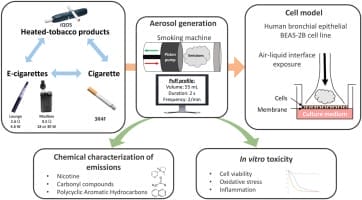
A comparative diagram or infographic showing the distinct chemical outputs of a burning cigarette (tar, carbon monoxide) versus a heated vape device (PG/VG, flavors, nicotine).
What Is Found in Cigarette Smoke?
When dried tobacco and processing additives undergo combustion, a profound chemical transformation occurs. The resulting smoke contains thousands of chemical compounds created by pyrolysis.
- Tar: The thick, sticky, dark residue formed from burnt particulate matter that coats the airways and delicate lung alveoli.
- Carbon Monoxide: A toxic, colourless, odourless gas that binds to haemoglobin in red blood cells far more readily than oxygen, directly impairing the cardiovascular system's ability to transport oxygen throughout the body.
- Heavy Metals and Volatiles: Combustible smoke produces trace amounts of lead, cadmium, arsenic, hydrogen cyanide, and benzene.
- Combustion Carcinogens: Polycyclic aromatic hydrocarbons (PAHs) and tobacco-specific nitrosamines (TSNAs) are released in significant volumes through open burning.
What Is Found in Vape Aerosol?
The ingredients in standard e-liquids are deliberately manufactured solutions, usually consisting of four primary components:
- Propylene Glycol (PG): A thin, colourless synthetic liquid widely used in food processing, asthma inhalers, and theatrical fog machines. It provides the distinct throat sensation ("throat hit") that mimics smoking.
- Vegetable Glycerine (VG): A thick, naturally derived liquid extracted from plant oils that produces dense aerosol clouds and adds mild sweetness.
- Food-Grade Flavourings: Concentrated flavour compounds formulated to simulate fruits, desserts, menthol, or cured tobacco. While approved for oral consumption in food, their inhalation properties represent an area of ongoing scientific evaluation.
- Pharmaceutical-Grade Nicotine: Extracted from tobacco plants or synthesised in a laboratory, offered in varying strengths or in formulated nicotine salt compounds.
Because e-liquids do not burn leaves, they do not produce tar or carbon monoxide. However, heating e-liquids to elevated temperatures can cause thermal degradation, yielding trace volatile organic compounds such as formaldehyde, acetaldehyde, and acrolein, alongside minute metallic particles worn from the heating coil.
Key Comparison: Vape vs Cigarettes at a Glance
To easily contrast the physical, chemical, and operational attributes of both methods, review the comparison below:
| Feature / Dimension | Traditional Cigarettes | Electronic Vapes |
|---|---|---|
| Operating Mechanism | Combustion (open flame burning cured tobacco at 600°C–900°C) | Electrical aerosolisation (heating liquid at 150°C–250°C) |
| Primary Inhalant | Tobacco smoke containing solid particulates and ash | Liquid aerosol mist containing microscopic droplets |
| Key Harmful Byproducts | High levels of tar, carbon monoxide, and soot | Trace thermal degradation byproducts (e.g. aldehydes, metals) |
| Nicotine Form | Naturally occurring freebase nicotine bound in plant matrix | Freebase nicotine or protonated nicotine salts in solution |
| Scent & Residue | Pungent, lingering smoke odour that embeds in fabrics, walls, and hair | Transient, mild aroma that dissipates quickly without ash |
| Usage Unit | Discrete, single-use sticks (typically 10–15 puffs per cigarette) | Continuous-draw devices, refillable tanks, or sealed pods |
| Maintenance Needed | Minimal (requires an external flame/lighter and ashtray) | Battery charging, pod replacement, coil priming, and refilling |
Nicotine Delivery and Addiction: Vape vs Cigarettes
Nicotine is the central pharmacologically active agent in both practices, but the speed, dosing control, and sensory delivery differ markedly between the two formats.
Absorption Dynamics
In combustible cigarettes, nicotine travels on tiny tar and smoke particles directly into the deep reaches of the lungs. It is absorbed into the bloodstream almost instantly, crossing the blood-brain barrier within 10 to 20 seconds. This produces a rapid spike in arterial nicotine concentrations, reinforcing psychological and physical dependence.
Vaping nicotine delivery depends heavily on the formulation used:
- Freebase Nicotine Liquids: Traditional e-liquids use freebase nicotine. At higher concentrations, this form produces a harsh sensation in the throat, which naturally caps the strength a user can comfortably inhale. It tends to absorb somewhat more slowly through the mucous membranes of the upper airway and respiratory tract.
- Nicotine Salt Formulations: Nicotine salts are created by combining pure nicotine with an organic acid (such as benzoic acid). This lowers the pH of the vaporised mist, resulting in a smoother inhale even at high concentrations. Nicotine salts cross biological membranes rapidly, mimicking the swift arterial absorption curve of a traditional cigarette.
Inhalation — ► Rapid Alveolar Diffusion — ► Blood-Brain Barrier Crossing in ~10–20s
Consumption Patterns and Self-Regulation
A combustible cigarette has a clear, physical start and finish. Once lit, it burns steadily until it reaches the filter, providing a distinct unit of consumption (roughly 10 to 15 puffs).
Vapes, by contrast, are continuous-use systems. Because a device does not automatically burn out after a set interval, users must consciously moderate their intake. Without the natural endpoint of a burnt-down cigarette, some users may consume nicotine more frequently throughout the day, altering their behavioural habits.
User Experience and Sensations: Throat Hit, Flavour, and Odour
Beyond internal chemistry, the day-to-day tactile experience distinguishes smoking from vaping.
The "Throat Hit"
- Smoking: Delivers a warm, dry, and slightly abrasive sensation at the back of the throat caused by hot smoke, carbon particles, and alkaline nicotine.
- Vaping: Can be adjusted based on the ratio of PG to VG, the power output of the device, and the type of nicotine used. A higher PG ratio yields a sharp, distinct bite, whereas high-VG liquids provide a cooler, denser, and velvety inhale.
Taste and Flavour Variety
Combustible cigarettes offer a flavour profile largely dominated by cured tobacco, combustion ash, and paper, with some varieties featuring menthol additives.
Vapes provide a broad array of flavours ranging from fruit blends, confectionery, and menthol to complex tobacco profiles. The absence of burning paper and ash allows subtle aromatic notes to come through without the acrid undertone characteristic of smoke.
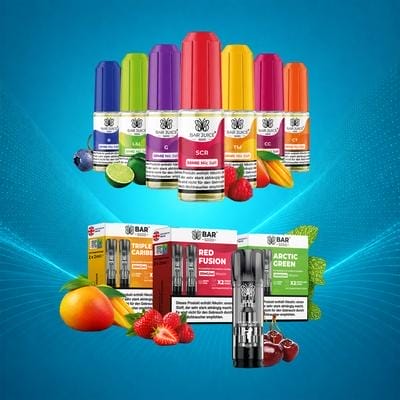
A vibrant collection of various vape juice bottles or cartridges, representing a wide range of fruit, dessert, menthol, and tobacco flavors.
Lingering Odour and Environmental Residue
Cigarette smoke produces a persistent, heavy odour. The particulate tar bonds tightly to porous surfaces including clothing, carpets, curtains, vehicle upholstery, and skin. Over time, it leaves yellowed stains caused by oxidised nicotine and resinous tar.
An image depicting the visual and environmental impact of lingering cigarette smoke, such as yellowed walls, stained curtains, or a person reacting to a strong smoke odor.
Vapour mist dissipates into the surrounding air within seconds to minutes. It does not contain tar or ash, meaning it does not permanently stain fabrics or leave a lasting, pungent smoke smell in indoor spaces or on clothing.
Passive Exposure: Secondhand Smoke vs Secondhand Vapour
The impact on surrounding bystanders is another area where the differences between these two methods are noticeable.
- Secondhand Smoke — ► Active combustion + Exhaled smoke (Contains solid tar, carbon monoxide, heavy toxins)
- Secondhand Vapour — ► Exhaled aerosol only (Rapidly dissipates, no combustion byproducts, trace volatile traces)
Secondhand Smoke
Passive smoking involves two separate streams:
- Mainstream smoke: The smoke exhaled by the person smoking.
- Sidestream smoke: The unfiltered, raw smoke coming off the burning tip of the cigarette between puffs.
Sidestream smoke burns at a lower temperature and contains higher concentrations of certain combustion byproducts than inhaled mainstream smoke. Bystanders exposed to secondhand smoke inhale solid particulates, carbon monoxide, and toxic combustion residues, creating well-documented risks for non-smokers and children sharing indoor spaces.
Secondhand Vapour
Vape devices produce no sidestream emissions because aerosol is generated only when the heating element is activated during a puff.
The passive exposure from vaping consists solely of exhaled aerosol mist. While this exhaled mist is not pure water and may contain trace amounts of nicotine, propylene glycol, and minute chemical compounds, it lacks the carbon monoxide, heavy tar particulates, and combustion byproducts found in tobacco smoke. Furthermore, the liquid aerosol droplets evaporate much faster in ambient air than solid smoke particles, which remain suspended for hours.
The Australian Context: Understanding Regulation and Harm Minimisation
In Australia, the public health approach treats combustible cigarettes and nicotine vapes under distinct regulatory frameworks. Traditional cigarettes remain widely subject to heavy excise taxation, plain packaging mandates with graphic health warnings, and strict indoor smoking bans across all states and territories.
Nicotine vaping products in Australia are regulated through a therapeutic pathway. Under national health regulations, nicotine-containing vapes are classified as therapeutic goods intended solely for smoking cessation or nicotine management under the guidance of medical practitioners and pharmacists. Unregulated, illicit disposable devices sold outside the lawful pharmacy framework often lack manufacturing quality controls, accurate ingredient labelling, or child-resistant safeguards.
For individuals who currently smoke combustible tobacco, moving entirely away from burning leaves eliminates the intake of tar, ash, and carbon monoxide. However, health authorities maintain that for individuals who have never smoked—particularly young people—initiating vaping introduces an unnecessary risk of nicotine addiction and respiratory irritation.
Conclusion: Making an Informed Assessment
When comparing the mechanics and physical realities of these two practices, the core distinction remains simple: cigarettes burn, while vapes heat.
Combustible cigarettes generate smoke laden with tar, carbon monoxide, and thousands of pyrolytic byproducts through continuous open burning. Electronic vaporisers use controlled battery power to turn a liquid mixture of propylene glycol, vegetable glycerine, flavourings, and nicotine into an inhalable mist, avoiding combustion byproducts altogether.
While vaping represents a fundamentally different physical process with fewer toxic combustion residues than smoking, it is not without physiological effects, particularly regarding nicotine dependence and respiratory exposure. Understanding these functional, chemical, and operational differences ensures you have the clear, objective facts needed to navigate the discussion around modern inhalation methods.