Draw-Activated vs Button-Controlled Vapes: Why Both Vape Activation Designs Exist in 2026

Draw-Activated vs Button-Controlled Vapes: Why Both Vape Activation Designs Exist in 2026
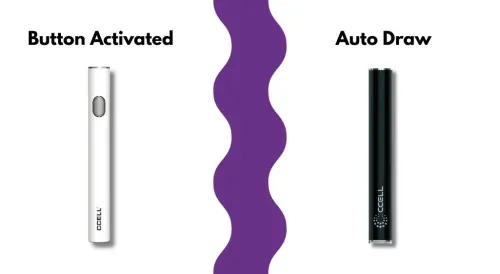
A side-by-side visual comparison of a sleek, buttonless draw-activated vape and a more robust button-controlled vape, highlighting their design differences and primary activation methods.
When choosing a modern vaporiser, the way the device fires is one of the most fundamental choices you will make. Whether you lean towards a draw activated vape, button vape, or hybrid automatic vape, the underlying vape activation mechanism dictates how you interact with your device every single day. From the intuitive, hands-free ease of an automatic sensor to the instant punch of a physical switch, each design delivers a distinct puff, maintenance profile, and level of control.
Despite pod devices evolving rapidly over the past few years, neither style has rendered the other obsolete. Instead, manufacturers continue to refine both systems alongside hybrid setups. To understand why both formats maintain a loyal following across Australia, it helps to examine how these mechanisms function, how they affect vapour and flavour, and where their real-world strengths and vulnerabilities lie.
Understanding Vape Activation: Pneumatic Sensors vs Manual Switches
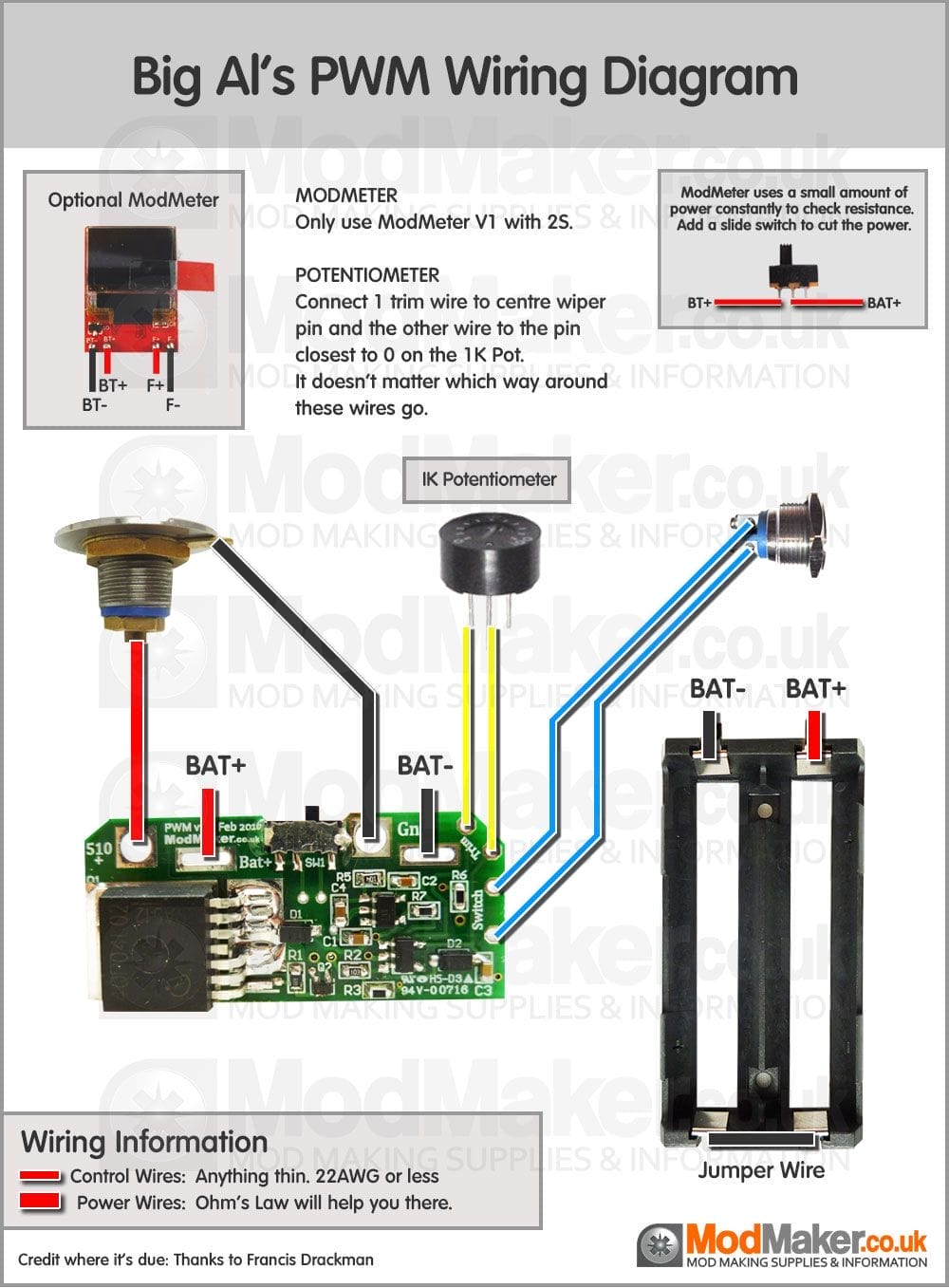
A detailed cutaway diagram illustrating the internal engineering of vape activation, showing a pneumatic sensor within an airflow channel and a separate manual physical button mechanism.
At the heart of the debate is the engineering behind how electrical power travels from the internal battery cell to the heating coil.
Draw Activation: Inhale -> Airflow triggers membrane switch -> Current flows to coil
Button Control:  Press physical button -> Circuit completes immediately -> Coil heats instantly
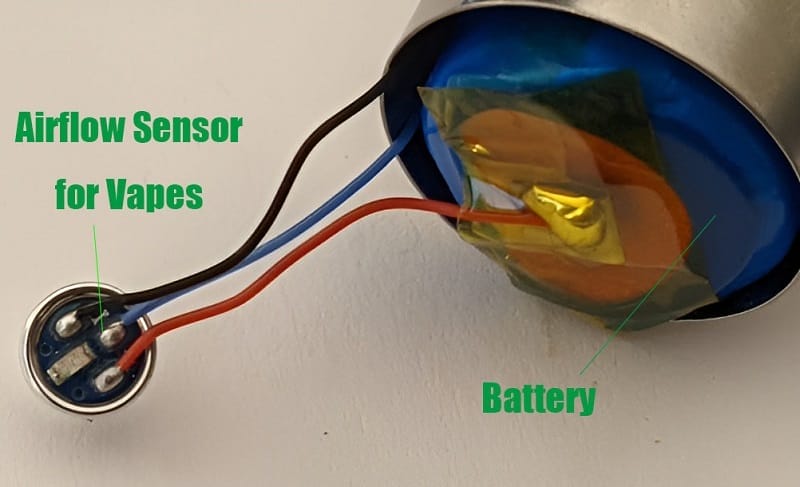
A draw-activated setup relies on a miniature pneumatic switch embedded directly within the device's internal airflow channel. When you take a puff from the mouthpiece, the drop in air pressure displaces a tiny, flexible membrane or activates a micro-sensor. This movement closes the circuit and triggers the battery to send power to the atomiser. The moment you stop inhaling, the pressure equalises, the switch reopens, and power ceases. Everything happens behind the scenes without the need to press anything.
A manual button design uses a traditional physical contact switch. Pressing the button with your thumb or finger physically connects the circuit, feeding current directly to the heating element for as long as the switch is depressed. Releasing your finger breaks the circuit.
While both mechanisms achieve the same ultimate goal—vaporising your e-liquid—the way they engage the heating element creates meaningful differences in everyday use.
Why Many Prefer an Automatic Vape or Draw Activated Vape for Daily Ease
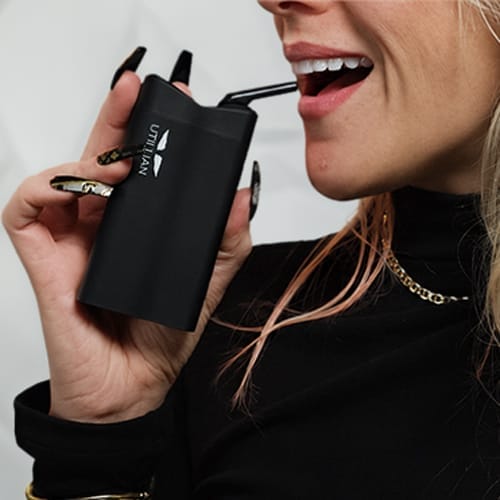
A person smoothly taking a puff from a sleek, buttonless draw-activated vape, emphasizing the effortless, hands-free experience and minimalist interaction.
The enduring appeal of the automatic vape comes down to pure simplicity and familiarity. For individuals transitioning away from traditional combustible cigarettes, an auto-draw device provides an intuitive physical experience.
Mimicking Traditional Smoking
A draw-activated device requires no coordinated finger movements or timing adjustments. You place the mouthpiece to your lips and inhale, closely replicating the natural mouth-to-lung sensation of smoking. This seamless transition makes auto-draw pod systems an accessible, fuss-free option for those who want a straightforward device that feels familiar in the hand.
Streamlined, Minimalist Hardware
Devices engineered solely around draw activation can discard bulky external buttons entirely. This allows designers to create sleeker, lighter, and more compact pen-style and flat-pod bodies. Without protruding switches that can catch on fabric or accidental presses when handled loosely, the hardware remains clean, discreet, and pocketable.
The Case for the Button Vape: Vapour Warmth, Flavour, and Control

A person holding a button-controlled vape, with their thumb poised over the fire button, suggesting precise control over vapor warmth, flavor, and delivery.
While automatic sensors shine in simplicity, physical switches remain the gold standard for vapers seeking precision and richer vapour production.
Coil Pre-Heating and Instant Vapour Delivery
Because an automatic sensor must register negative air pressure before activating the battery, there is an inherent micro-delay between the start of an inhale and coil ramp-up. The initial split-second of your draw pulls cooler air across a coil that is still coming up to temperature.
A manual switch allows you to press the fire button a fraction of a second before bringing the device to your lips. This slight pre-heating ensures the coil reaches optimal vaporising temperature before airflow hits it, resulting in:
- Noticeably warmer vapour from the very first moment of the puff
- Denser cloud production
- Richer, more pronounced flavour saturation
Tactile Feedback and Predictability
For experienced users, tactile feedback is a major advantage. Pressing a crisp mechanical button gives you immediate confirmation that the device is firing, eliminating any ambiguity about whether your inhale is strong enough to trigger an internal switch.
Reliability Check: E-Liquid Condensation, Leaks, and Auto-Firing Risks
A technical diagram or illustration depicting e-liquid condensation or seepage reaching and potentially fouling an internal pneumatic draw sensor in a vape, highlighting reliability vulnerabilities.
One of the biggest practical differentiators between activation styles is how they handle the everyday reality of e-liquid condensation and cartridge leaks.
- THE DRAW SENSOR WEAK SPOT
- Pod Base
- (Condensation / E-Liquid Seepage)
- Direct Airway Channel → Pneumatic Micro-Sensor
-
- Risk: Residue build-up
-
- Risk: Unresponsive switch
-
- Risk: Auto-firing loop
The Vulnerability of Pneumatic Sensors
Because an auto-draw sensor must sit directly inside the airflow pathway to detect suction, it is exposed to whatever travels down that channel. Over weeks of daily use, standard e-liquid condensation, vapour back-settling, or slight pod leaks can seep down towards the sensor cavity.
When sticky e-liquid coats the delicate membrane inside a draw sensor, two common faults can occur:
- Unresponsiveness: The sensor gets clogged and fails to detect your inhale, requiring unusually hard suction to fire or stopping altogether.
- Auto-Firing Loops: Liquid bridging the contacts can trick the switch into thinking air is constantly flowing, causing the device to fire continuously on its own until the safety cutoff kicks in or the battery runs flat.
The Mechanical Durability of Buttons
A physical fire button is positioned on the exterior casing, separated from the internal airway chamber where pods sit. If a pod weeps or leaks inside its housing, the liquid pools on top of the battery contacts rather than drowning a sensitive pressure switch. Cleaning away condensation requires only a quick dab with a cotton bud, leaving the firing mechanism completely unaffected.
Draw-Activated vs Button Vape: Side-by-Side Comparison
To help you weigh up the trade-offs between each activation method, the table below highlights how they compare across key functional categories.
| Feature / Metric | Draw-Activated Vape | Button-Controlled Vape | Dual-Activation Hybrid Pod |
|---|---|---|---|
| Vapour Warmth & Flavour | Cooler initial draw; slight ramp-up delay on cold coils | Warmer, denser hit via manual coil pre-heating | Best of both; pre-heat via button or draw hands-free |
| Ease of Use | Maximum; pick up and puff without pressing controls | Requires manual coordination during every inhale | Flexible; use whichever method suits the moment |
| Leak & Condensation Resistance | Higher risk; liquid can foul internal pneumatic airway sensors | High; mechanical switch is isolated from airflow track | High resilience; physical button serves as operational backup |
| Form Factor & Styling | Ultra-compact, smooth, minimalist bodies without buttons | Slightly larger housings to accommodate external switches | Balanced; compact chassis incorporating a multi-use button |
| Best Suited For | Mouth-to-lung users prioritising cigarette-like ease | Flavour enthusiasts seeking warmer vapour and immediate hit | Daily vapers wanting convenience with built-in redundancy |
Dual-Activation Systems: The Hybrid Solution
A modern vape device clearly showcasing both a mouthpiece for draw activation and a visible, functional fire button, illustrating its dual-activation hybrid design.
Recognising the distinct advantages of both platforms, hardware designers increasingly engineer pod devices with dual-activation technology.
In a hybrid device, both a pneumatic airflow sensor and a physical push button are wired into the main circuit board. You can treat the device as a completely automatic pod, taking quick puffs on the go without touching the body. Alternatively, you can press the physical button whenever you want a warmer, harder-hitting draw.
Beyond personal preference, dual activation provides valuable operational redundancy:
- Backup Functionality: If the pneumatic sensor becomes sluggish due to e-liquid seepage over time, you do not have to discard the device; the physical button continues to fire reliably.
- Secondary Controls: In hybrid systems, the button often doubles as an interface for power adjustments, allowing you to tailor wattage levels while still puffing automatically.
Choosing the Right Vape Activation Style for Your Routine
Deciding which activation style suits you comes down to how you plan to use your device and what you value most during your daily routine.
Choose a Draw-Activated Device If:
- You want an effortless experience that mimics the physical routine of traditional smoking.
- You prefer ultra-compact, lightweight hardware that slips discreetly into a pocket.
- You mainly take short, casual puffs throughout the day and favour cooler to moderate vapour temperatures.
Choose a Button-Controlled Device If:
- Flavour intensity and immediate vapour warmth are your top priorities.
- You prefer the peace of mind that comes with a mechanical switch isolated from leaking pod chambers.
- You enjoy having precise tactile control over the exact duration of every puff.
Choose a Dual-Activation Device If:
- You want everyday hands-free puffing convenience but still appreciate the option to pre-heat your coil for denser flavour.
- You want a dependable backup firing method to ensure your device remains usable even if an internal sensor encounters moisture.
By matching the firing design to your personal preferences and maintenance habits, you can find a vaporiser that delivers consistent satisfaction every time you take a draw.