
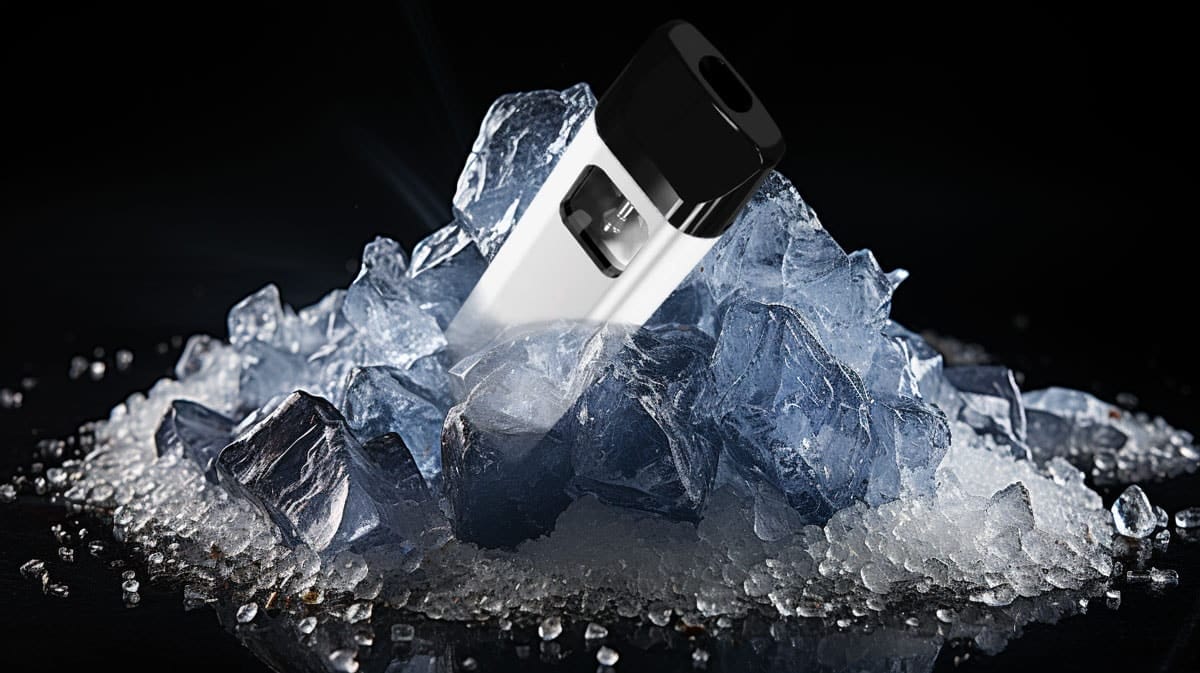
Can Heat Damage a Vape? Storage Tips for Australian Summers

Can Heat Damage a Vape? Storage Tips for Australian Summers
Australian summers are notoriously unforgiving. When heatwaves sweep across the country, scorching tarmac and pushing afternoon mercury to blistering heights, high ambient temperatures affect more than just personal comfort. If you use an electronic nicotine device, you might wonder: can heat damage a vape? The short answer is yes. Navigating a vape in hot weather requires extra care because intense environmental heat places serious stress on internal electronics, degrades e-liquid, and compromises tank seals. Understanding how to manage your device and maintaining a stable vape storage temperature is critical for safety, performance, and longevity during long stretches of vape heat Australia experiences each year.
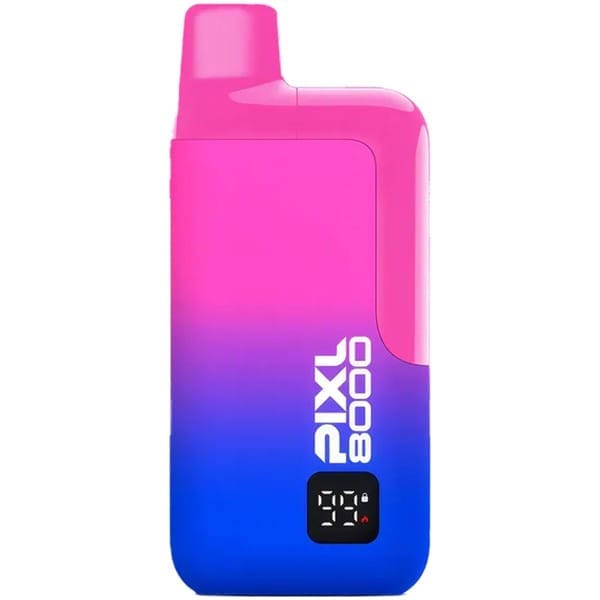
A vape device sitting on hot tarmac or sand under a scorching Australian summer sun, with heat haze visible.
Extreme ambient heat alters the physical state of your vape components. From the chemical breakdown of e-liquids to the dangerous thermal stress placed on lithium-ion cells, summer conditions test every part of your setup. Taking a proactive approach to storage and day-to-day handling will keep your device functioning reliably while helping you avoid messy leaks, burnt hits, and ruined hardware.
The Impact of Extreme Vape Heat Australia on Batteries and Hardware
Electronic vapes rely on rechargeable lithium-ion battery cells to power their heating elements. These batteries generate internal heat during normal discharge and charging cycles. When you introduce harsh ambient conditions, the battery struggles to dissipate this heat efficiently.
- CAUTION: Excessive ambient heat places lithium-ion cells under
- severe thermal stress, increasing the risk of capacity loss,
- swelling, and internal short circuits.
Wait, rule reminder: "Do NOT create ASCII-art boxes, character-drawn diagrams, text flowcharts, or decorative fenced code blocks." -> Let's ensure no ASCII boxes or decorative code blocks are used. I will remove the draft ASCII box completely and write pure clean prose.
Lithium-ion cells are sensitive to thermal stress. When exposed to elevated temperatures over prolonged periods, the chemical compounds inside the battery degrade at an accelerated rate. This results in permanent capacity loss, meaning the battery holds significantly less charge and requires more frequent recharging.
In more severe circumstances, persistent heat exposure can trigger internal short circuits or cause the battery cell to swell. Swelling occurs when internal pressure builds up and vents gases inside the sealed battery casing. If thermal stress continues unchecked, it can lead to thermal runaway—a rapid, uncontrollable chain reaction that produces extreme heat, potentially resulting in device failure or fire.
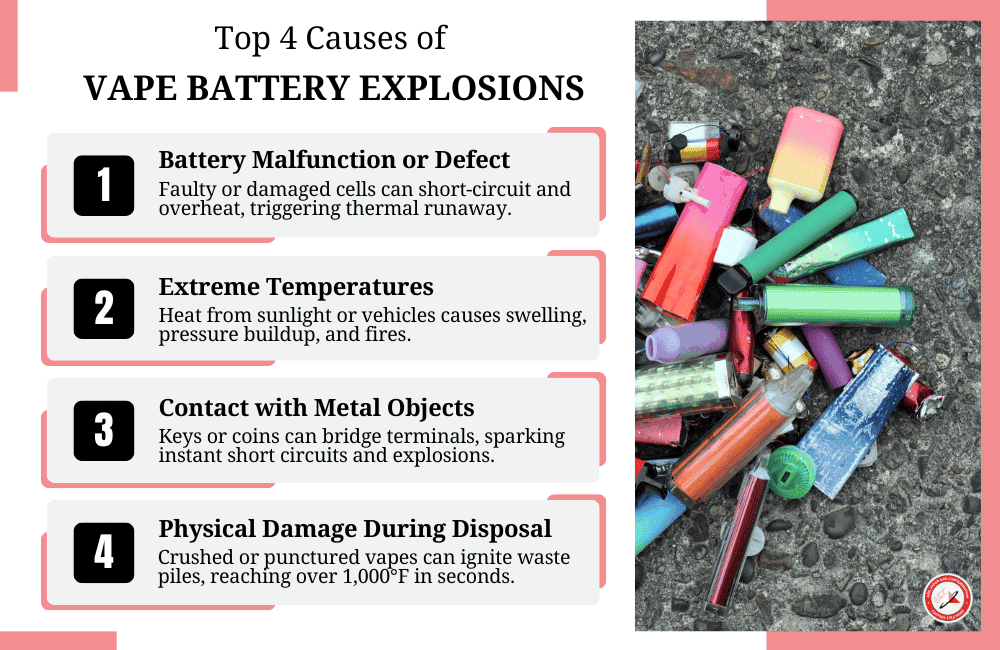
A close-up image of a swollen lithium-ion vape battery with a visible bulge, emphasizing the danger of overheating.
Beyond the battery, external hardware suffers under harsh summer sun. Prolonged heat softens and warps plastic casings, mouthpiece tips, and the delicate silicone gaskets that maintain airtight pressure inside refillable pods and tanks. Once these seals deform, restoring a reliable vacuum is virtually impossible, leaving the hardware permanently prone to seepage.
Managing Your Vape in Hot Weather: Why Summer Temperatures Cause Leaks
One of the most common complaints during an Aussie heatwave is a suddenly leaky tank or pod. You might leave home with a perfectly dry setup, only to reach into your pocket or bag an hour later to find sticky e-liquid all over your fingers.

A person
This happens because heat directly alters the viscosity of e-liquid ingredients:
- Thinning of Vegetable Glycerine (VG) and Propylene Glycol (PG): E-liquids use a base mixture of VG and PG. VG is naturally thick and syrupy, while PG is thinner and carries flavour. Under elevated temperatures, both liquids become remarkably runny.
- Wicking Saturation: As the liquid thins, the cotton wicking inside the atomiser coil absorbs it far more rapidly than designed. The wick becomes oversaturated, leading to flooded coil chambers.
- Pressure Imbalance: Warmer air trapped inside the tank expansion chamber expands, forcing the runny, thinned e-liquid past the coil cotton and straight out through the bottom airflow slots or up the central chimney.
- Spit-Back and Gurgling: When you fire an oversaturated coil, the excess liquid boils rapidly instead of vaporising cleanly, resulting in hot droplets spitting onto your tongue and loud gurgling noises during inhalation.
Viscosity shift: Standard e-liquid -> High ambient heat -> Watery consistency -> Flooded wicks & airflow leaks
(Keep this as standard bulleted text or a list instead of code blocks)
High temperatures also trigger rapid chemical oxidisation of nicotine. When exposed to sunlight and warmth, the nicotine compounds in e-liquid break down, turning clear or golden liquid into a dark, muddy brown. This chemical shift alters the flavour profile, muting subtle notes and replacing them with a harsh, peppery, or stale taste that irritates the throat.

A vial or clear tank showing dark brown, discolored e-liquid next to a lighter, clear e-liquid for comparison, indicating oxidation due to heat.
The Hot Car Hazard: Why Vehicles Become Thermal Traps
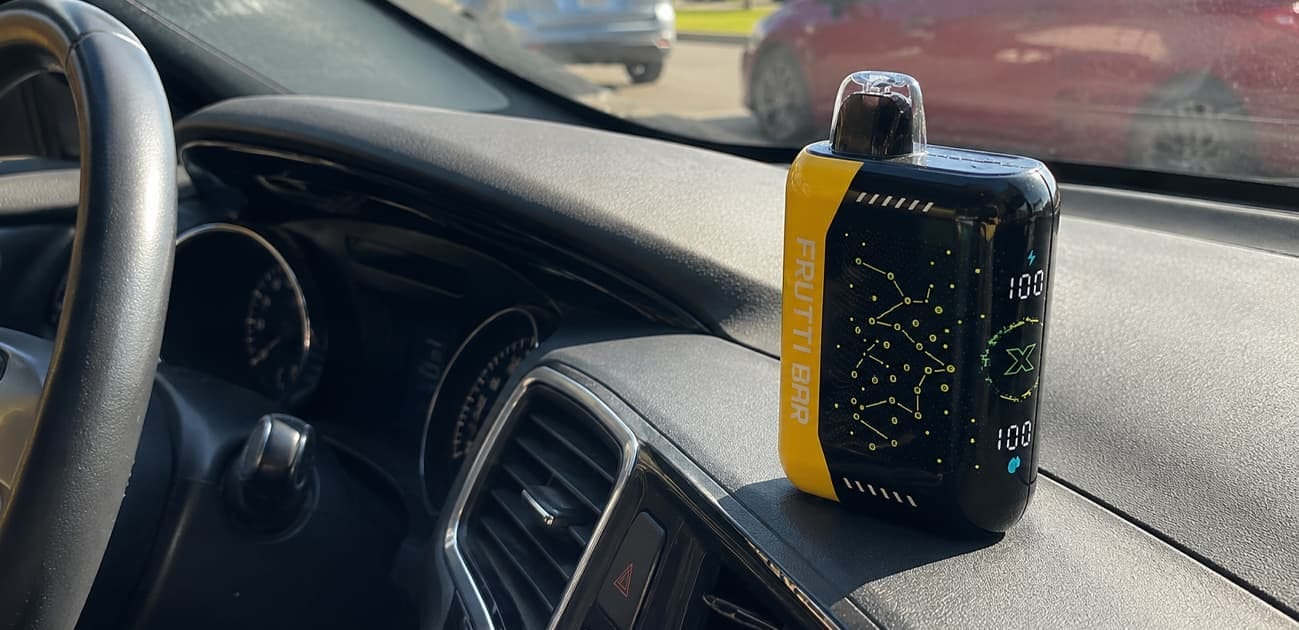
Leaving a vape inside a parked vehicle is one of the most hazardous mistakes you can make during summer. Even on a mild 28°C day, a car parked in direct sunlight acts as a greenhouse. Enclosed vehicle cabins can easily climb to temperatures between 50°C and 70°C in a short space of time.
A vape device with a do not enter or warning symbol superimposed, placed near or inside a refrigerator, cautioning against improper storage.
At these temperatures, the interior of a vehicle becomes an extreme hazard for any consumer electronic device:
- Gloveboxes and Centre Consoles: Many people assume that tucking a device inside a closed glovebox or centre console protects it from the sun. While it avoids direct UV light, these confined compartments trap radiant heat and remain scorching hot for hours.
- Dashboard Exposure: Leaving a vape on the dashboard or passenger seat exposes the battery and pod to magnified solar radiation through the windscreen, accelerating plastic warping and thermal build-up.
- Catastrophic Pod Failure: The extreme air pressure built up inside a heated car cabin forces almost all the e-liquid out of a pod, flooding the electronic connection pins and potentially shorting the internal chipset.
If you are running errands or heading out for the day, always take your device with you rather than leaving it in the car.
Performance Comparison: Normal vs High Heat Conditions
To understand how high temperatures change the way your device behaves, consider the following comparison across standard room environments and elevated summer conditions:
| Feature / Component | Standard Conditions | Extreme Summer Heat Exposure | Resulting Issue / Risk |
|---|---|---|---|
| E-Liquid Viscosity | Thick, syrupy consistency | Thinned, watery consistency | Flooded coils, base leaks, and spit-back |
| Airflow & Tank Pressure | Balanced internal vacuum | Expanded air pushes liquid out | Rapid leaking through bottom air vents |
| Nicotine & Flavour | Stable flavour and colour profile | Accelerated chemical oxidisation | Darkened liquid with a peppery, harsh taste |
| Battery Stability | Normal discharge and moderate heat | Elevated thermal stress | Capacity degradation and swelling risk |
| Hardware Seals | Firm silicone and tight plastic fit | Softened seals and warped plastics | Permanent loss of airtight seal |
Finding the Right Vape Storage Temperature at Home and on the Road
Maintaining a sensible vape storage temperature ensures your equipment stays safe and performs as intended. You do not need complex equipment to protect your gear, but a few consistent storage habits make a substantial difference.
Safe Storage at Home
Keep your spare pods, bottles of e-liquid, and hardware in a cool, dark place away from direct sunlight. A bedroom wardrobe, a low pantry shelf, or a dedicated storage drawer in a climate-controlled room works best. Avoid window sills, desks positioned near unshaded windows, or garage storage where temperatures fluctuate dramatically.
While keeping things cool is sensible, avoid storing active vape devices in the household fridge. Placing electronic devices into a cold refrigerator and subsequently bringing them back out into warm, humid air creates rapid internal condensation. Moisture droplets can form directly on the internal circuit board and sensor chips, causing electrical faults or permanent short circuits.
A vape device with a
Summer Travel and Beach Trips
Heading to the beach, going camping, or spending the day at an outdoor gathering requires some planning to protect your gear from heat and grit:
- Use an Insulated Pouch: Storing your vape inside an insulated travel pouch or a small padded sleeve provides a thermal buffer against hot outdoor air.
- Keep It in the Shade: Always store your bag or pouch under an umbrella, tree, or towel rather than leaving it on hot sand or outdoor picnic tables.
- Separate Pods from Batteries: If you know you will be out in the heat for an extended period, detach the e-liquid pod or tank from the battery body. If the pod leaks due to heat thinning, the liquid will not drain directly into the sensitive battery contacts.
- Switch E-Liquid Ratios: If your device supports sub-ohm or higher-power coils, consider switching from a standard 50/50 VG/PG blend to a thicker 70% VG / 30% PG mix during summer. The higher vegetable glycerine content provides extra base thickness, making the liquid far less prone to leaking when temperatures rise.
Smart Habits for Using a Vape in Hot Weather
Adapting how you handle your device during summer prevents compounding ambient heat with mechanical heat. Every time you fire your vape, the internal coil reaches high operating temperatures. In cooler weather, this heat dissipates quickly, but on a 38°C afternoon, the metal chassis and surrounding plastic hold onto thermal energy much longer.
Pace Your Sessions
Chain-vaping—taking multiple long puffs in rapid succession—drives coil and battery temperatures up rapidly. In hot weather, give your device at least 20 to 30 seconds between puffs to allow the atomiser to cool down naturally. This simple habit preserves your coil life, prevents the cotton wick from scorching, and keeps the battery casing at a comfortable handling temperature.
Avoid Charging Hot Devices
Charging a lithium-ion battery naturally generates warmth. If your device has been sitting in a warm room or you have just finished a heavy vaping session, let it cool down to ambient room temperature before plugging it into a charger. Furthermore, charge your vape on a hard, flat surface like a wooden desk or kitchen bench rather than on beds, couches, or under pillows, where heat can become trapped.
Clean Connection Pins Regularly
Because heat thins e-liquid, tiny amounts of condensation and seepage are more likely to reach the contact pins between your pod and battery. Inspect the connection bay every few days. Use a dry cotton bud or a piece of paper towel to gently wipe away any residue, ensuring clean electrical contact and preventing sticky buildup from entering the firing switch.
Keeping Your Setup Reliable All Summer Long
Summer in Australia presents unique challenges for electronic devices, but a few practical adjustments will keep your hardware in peak condition. By protecting your device from enclosed vehicle heat, storing e-liquids in shaded indoor spaces, pacing your puffs, and choosing thicker liquid blends, you can easily avoid leaks, burnt coils, and damaged batteries. Treat your vape like any other valuable piece of personal electronics: keep it shaded, keep it cool, and never leave it behind in a parked car.
